
Glipzo
WorldTechnologyBusinessSportsEntertainmentScienceHealthPolitics
Glipzo
WorldTechnologyBusinessSportsEntertainmentScienceHealthPolitics
  1. Home
  2. /
  3. Politics
  4. /
  5. Shocking Changes in Khadia: BJP's Struggle for Connection
Shocking Changes in Khadia: BJP's Struggle for Connection

Image: Indian Express

Politics
Monday, May 4, 20265 min read

Shocking Changes in Khadia: BJP's Struggle for Connection

Discover Khadia's rich history and the BJP's struggle to maintain community ties amidst change. What does the future hold for this historic neighborhood?

Glipzo News Desk|Source: Indian Express
Share
Glipzo

Key Highlights

  • Khadia's rich history is at risk due to migration and modernization.
  • Community spirit thrives in Khadia through traditions like food sharing.
  • Heritage restoration efforts began in 1996 to preserve 2,600 structures.
  • The BJP faces challenges in re-engaging a changing electorate in Khadia.
  • Uttarayan festival showcases Khadia's unique cultural bonds.

In this article

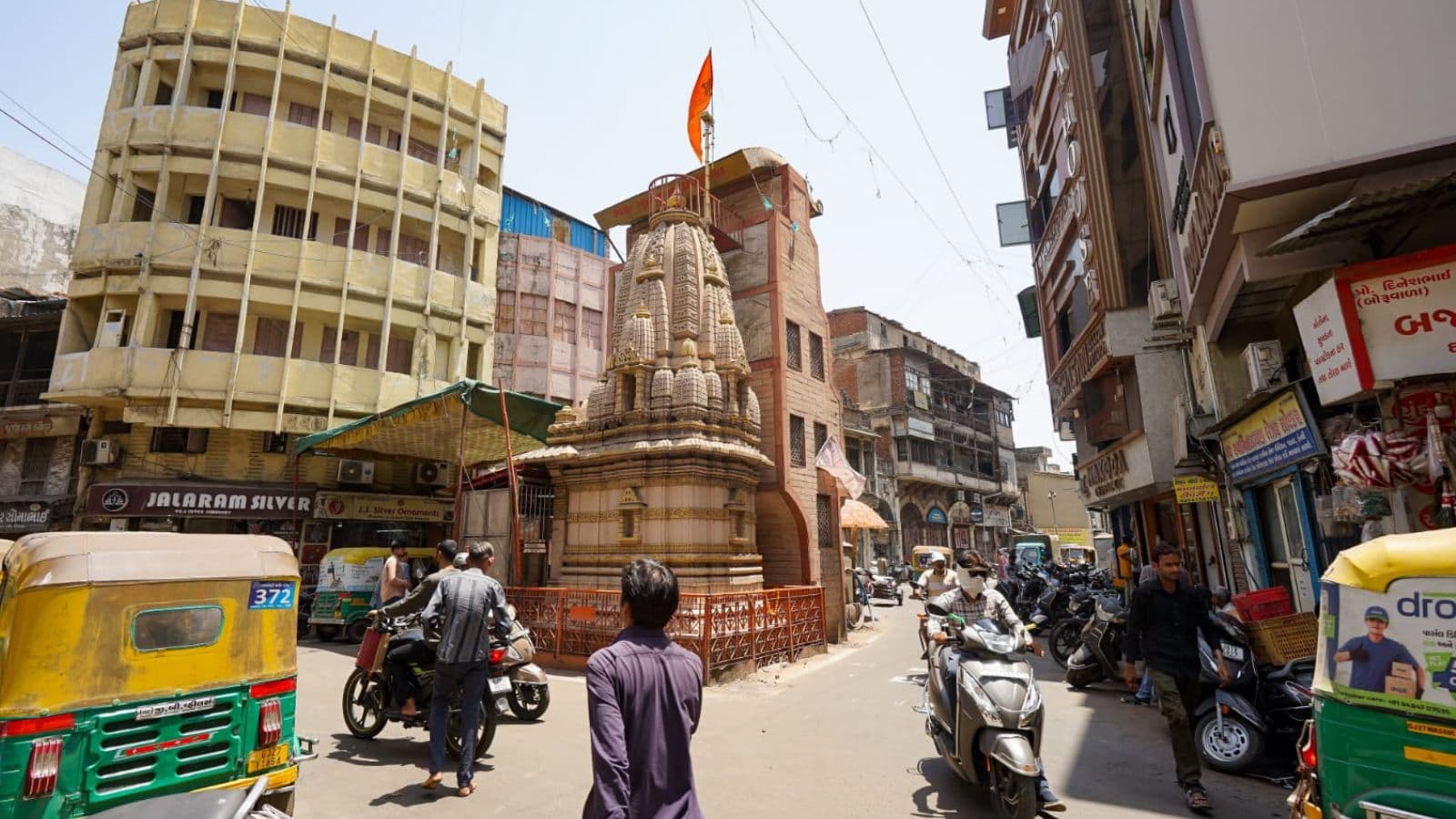
  • Khadia: A Community Rich in Heritage and History Khadia, a vibrant neighborhood in Ahmedabad, serves as a living testament to the city’s rich cultural tapestry. With its **centuries-old architecture** and historical significance, this area tells a unique story about the evolution of urban life in India. As a core part of the **600-year-old walled city**, Khadia embodies the spirit of the textile mill era, a time when the region thrived economically and socially. However, the landscape has shifted dramatically due to various factors, notably migration, leading to a transformation of community ties and political allegiances.
  • The Impact of Migration on Community Dynamics As the textile mills that once provided employment to many began to close, a wave of migration ensued, altering the demographics of Khadia. Many families have since relocated, seeking better living conditions in more modern developments. The narrow streets, while charming, lack the amenities and conveniences that contemporary life demands, leading to a decline in population density.
  • Heritage Restoration: A Long Journey The heritage restoration initiative in Khadia has been a slow, painstaking process that highlights the importance of community as much as it does architecture. Conservationist **Debashish Nayak**, who has been involved in these efforts, emphasizes that restoring a neighborhood requires revitalizing its people. “The movement started in 1996. It is a long psychological and social process that had to be triggered since it couldn’t have happened organically. To restore a town, one must restore its people,” Nayak explains.
  • A Unique Sense of Community and Tradition One of the defining features of Khadia is its communal spirit, illustrated by the local practice of **vatki vyavhaar**, or sharing food. In a stark contrast to the anonymity often found in modern apartments, neighbors here look out for one another. Mamta recounts how an elderly woman, financially struggling, receives meals from them without needing to ask. This deep-rooted sense of community is a hallmark of Khadia, where hospitality and caring for one another transcends economic barriers.
  • Political Landscape and Its Challenges Khadia’s political history is equally rich, marked by significant events such as the **1984 Lok Sabha election**, which followed the assassination of Prime Minister **Indira Gandhi**. The late **Ashok Bhatt**, a prominent BJP leader, represented Khadia during this turbulent time. His candidacy and subsequent election were pivotal moments that shaped the political landscape of the area.
  • Why It Matters: The Future of Khadia and Its Politics The changes in Khadia are reflective of broader trends affecting urban areas across India. As communities evolve, political parties must adapt to the shifting dynamics of their constituents. For the BJP, revitalizing its connection with Khadia is crucial not only for electoral success but also for the preservation of a unique cultural heritage that defines the identity of Ahmedabad.

Khadia: A Community Rich in Heritage and History Khadia, a vibrant neighborhood in Ahmedabad, serves as a living testament to the city’s rich cultural tapestry. With its **centuries-old architecture** and historical significance, this area tells a unique story about the evolution of urban life in India. As a core part of the **600-year-old walled city**, Khadia embodies the spirit of the textile mill era, a time when the region thrived economically and socially. However, the landscape has shifted dramatically due to various factors, notably migration, leading to a transformation of community ties and political allegiances.

The streets of Khadia are a maze of narrow lanes, bustling with local interactions. Residents often remark that a stranger stands out in this close-knit environment, where news spreads like wildfire through its winding paths. The architecture ranges from traditional homes adorned with ornate wooden facades to modern buildings, showcasing a blend of the old and new.

The Impact of Migration on Community Dynamics As the textile mills that once provided employment to many began to close, a wave of migration ensued, altering the demographics of Khadia. Many families have since relocated, seeking better living conditions in more modern developments. The narrow streets, while charming, lack the amenities and conveniences that contemporary life demands, leading to a decline in population density.

Dr. Hemant Bhatt, a local BJP media convenor, offers a personal perspective on the area’s heritage. He recalls how Khadia was once known as Akbarpura, a prestigious locale during the Sultanate era. Today, the area boasts over 2,600 heritage structures, a testament to its historical significance. Efforts to preserve these buildings began in 1996, aimed at encouraging residents to maintain their ancestral homes despite the pressures of modernization.

Heritage Restoration: A Long Journey The heritage restoration initiative in Khadia has been a slow, painstaking process that highlights the importance of community as much as it does architecture. Conservationist **Debashish Nayak**, who has been involved in these efforts, emphasizes that restoring a neighborhood requires revitalizing its people. “The movement started in 1996. It is a long psychological and social process that had to be triggered since it couldn’t have happened organically. To restore a town, one must restore its people,” Nayak explains.

Residents like Dr. Bhatt and his wife, Mamta, are committed to preserving the cultural essence of Khadia. They prefer the communal lifestyle here over the isolated living conditions of modern housing. The couple has decided to spend their senior years in this historic neighborhood, cherishing the memories and interactions that define their community.

A Unique Sense of Community and Tradition One of the defining features of Khadia is its communal spirit, illustrated by the local practice of **vatki vyavhaar**, or sharing food. In a stark contrast to the anonymity often found in modern apartments, neighbors here look out for one another. Mamta recounts how an elderly woman, financially struggling, receives meals from them without needing to ask. This deep-rooted sense of community is a hallmark of Khadia, where hospitality and caring for one another transcends economic barriers.

Yearly traditions, such as the Uttarayan kite festival, further strengthen community bonds. Families come together on their rooftops, preparing for kite-flying competitions and hosting guests, showcasing a vibrant celebration that draws both locals and visitors alike. This festival underscores the enduring ties that keep residents connected to their heritage, even amidst the pressures of urban expansion.

Political Landscape and Its Challenges Khadia’s political history is equally rich, marked by significant events such as the **1984 Lok Sabha election**, which followed the assassination of Prime Minister **Indira Gandhi**. The late **Ashok Bhatt**, a prominent BJP leader, represented Khadia during this turbulent time. His candidacy and subsequent election were pivotal moments that shaped the political landscape of the area.

However, recent trends suggest a weakening connection between the BJP and Khadia’s residents. Changes in the socio-economic fabric of the community, driven by migration and urban development, pose challenges to the party's traditional support base. As the BJP seeks to maintain its influence, it faces the task of reconnecting with a populace that continues to evolve.

Why It Matters: The Future of Khadia and Its Politics The changes in Khadia are reflective of broader trends affecting urban areas across India. As communities evolve, political parties must adapt to the shifting dynamics of their constituents. For the BJP, revitalizing its connection with Khadia is crucial not only for electoral success but also for the preservation of a unique cultural heritage that defines the identity of Ahmedabad.

Looking ahead, observers should monitor how the BJP plans to engage with the community. Will it prioritize heritage conservation alongside modern development? Can it foster a renewed sense of connection with residents who may feel disconnected from the party? The answers to these questions could significantly influence the future of both Khadia and the BJP’s standing within this historic neighborhood.

In conclusion, Khadia stands at a crossroads, balancing its rich heritage with the demands of modernity. The ongoing dialogue between tradition and change will determine the fate of this pivotal community and its political affiliations in the years to come.

Did you find this article useful? Share it!

Share

Related Articles

Critical Air Strikes Erupt Between US and Iran in Gulf Region
Politics
Jun 1, 2026

Critical Air Strikes Erupt Between US and Iran in Gulf Region

Tensions soar as the US and Iran engage in air strikes near the Strait of Hormuz, raising concerns over global oil supply and regional stability.

BBC World

Trump Faces Stalemate in International Military Strategy
Politics
Jun 1, 2026

Trump Faces Stalemate in International Military Strategy

Trump's international interventions face serious stalemates. What will this mean for U.S. foreign policy? Explore the critical challenges ahead.

Indian Express

Tehran Denies Rumors of President Pezeshkian’s Resignation
Politics
Jun 1, 2026

Tehran Denies Rumors of President Pezeshkian’s Resignation

Tehran denies resignation of President Masoud Pezeshkian amid claims of IRGC influence. What does this mean for Iran's political stability? Click to learn more!

Indian Express

Categories

  • World
  • Technology
  • Business
  • Sports

More

  • Entertainment
  • Science
  • Health
  • Politics

Explore

  • Web Stories
  • About Us
  • Contact

Legal

  • Privacy Policy
  • Terms of Service
  • Disclaimer

© 2026 Glipzo. All rights reserved.