
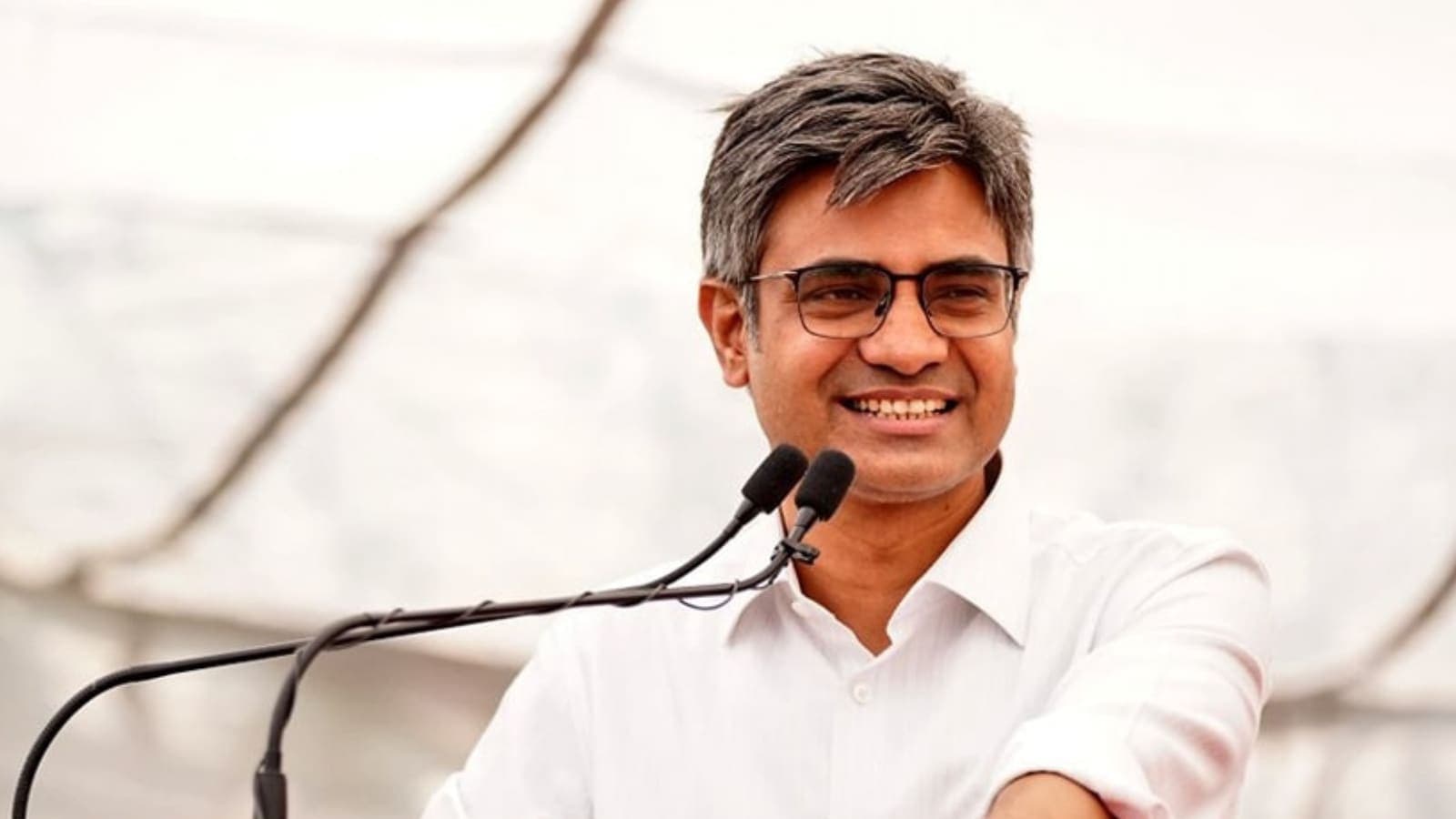
Image: Indian Express
Sandeep Pathak's shocking exit from AAP to BJP stuns Arvind Kejriwal, raising questions about loyalty and party stability. What’s next for AAP?
GlipzoIn a dramatic turn of events, Sandeep Pathak, a key figure in the Aam Aadmi Party (AAP), has left the organization to join the Bharatiya Janata Party (BJP). This unexpected shift has sent shockwaves through the political landscape, particularly impacting Arvind Kejriwal, the AAP leader who had trusted Pathak implicitly. Just days before Pathak's departure, he was engaged in discussions with Kejriwal on how to address a potential rebellion within the party, indicating a close relationship that has now taken a surprising twist.
The announcement of Pathak's exit, along with six other AAP Members of Parliament (MPs), was made on April 30, 2023. This came shortly after unverified reports emerged about two FIRs being filed against him by the Punjab AAP government, adding to the intrigue surrounding his sudden departure. The timing of these allegations has left many speculating about the motivations behind Pathak's shift in allegiance.
Pathak's journey to political prominence has been nothing short of remarkable. An IIT Delhi alumnus and a PhD holder from Cambridge University, Pathak initially carved a niche for himself in academia, specializing in photovoltaic cells. His entry into AAP roughly a decade ago coincided with Kejriwal's ascent to power in Delhi, where he quickly became a trusted advisor and strategist.
His analytical skills and background in data-driven decision-making made him an invaluable asset to AAP. As the party's first general secretary (organization), Pathak was responsible for managing the internal dynamics of the party and maintaining connections with key leaders. His ability to compile comprehensive datasets on party performance and electoral trends showcased his commitment to AAP's goals.
The evening prior to the announcement of Pathak's defection was critical. A meeting between Kejriwal and Pathak took place at Kejriwal's residence, where they discussed strategies to retain party members and counteract pressures from rival factions. It is understood that Pathak presented data and insights regarding potential rebel leaders, underlining his role as the party's strategist.
Insiders reveal that during the meeting, they analyzed the party's legislative strengths and identified key individuals who might be swayed to join the BJP. Kejriwal assured his team that they would be supported and promoted within the party, urging them to resist external pressures. Little did Kejriwal know that Pathak, his confidant, had already made plans to leave.
Pathak's departure has not only shocked AAP but also raised questions about the internal stability of the party. His family background, with ties to the BJP in Chhattisgarh, has led some to speculate that his loyalty may have always been in question. Observers note that while Kejriwal trusted Pathak, there were underlying currents of discontent among party members that may have contributed to this surprising defection.
As AAP grapples with the aftermath of Pathak's exit, party leaders are reflecting on the implications for their future. The loss of such a significant member could weaken AAP's organizational structure and strategy, especially ahead of crucial elections.
The implications of Sandeep Pathak's defection extend beyond individual loyalty; they reflect the broader dynamics of Indian politics, where shifting allegiances can alter the balance of power in a matter of days. For AAP, this situation poses a critical challenge as it attempts to maintain its integrity and influence amidst growing pressures from rival parties.
The reaction from AAP supporters and analysts will be closely watched, as the party must now work to regain trust and cohesion among its members. Furthermore, the BJP's welcoming of Pathak into their fold represents a strategic gain that could bolster their position in Punjab and other regions where AAP has been a strong contender.
As the dust settles from this shocking betrayal, all eyes are on how AAP will navigate this turbulent period. The party must focus on reinforcing its leadership and ensuring that remaining members feel secure and valued. Kejriwal's ability to rally his party and address the underlying issues that led to Pathak's exit will be pivotal.
On the other hand, Sandeep Pathak will likely play a significant role within the BJP, leveraging his experience and insights gained during his time in AAP. His transition could serve as a double-edged sword, potentially benefiting the BJP while also raising questions about loyalty and integrity in politics.
As we move forward, the political landscape in India remains fluid, and the implications of Pathak's defection will continue to unfold, shaping the strategies of both AAP and the BJP in the months to come.
In conclusion, Sandeep Pathak’s departure from AAP is a stark reminder of the unpredictability of political alliances and the constant evolution of party dynamics in India.

Tensions soar as the US and Iran engage in air strikes near the Strait of Hormuz, raising concerns over global oil supply and regional stability.
BBC World
Trump's international interventions face serious stalemates. What will this mean for U.S. foreign policy? Explore the critical challenges ahead.
Indian Express
Tehran denies resignation of President Masoud Pezeshkian amid claims of IRGC influence. What does this mean for Iran's political stability? Click to learn more!
Indian Express