
Image: Mint (Business)
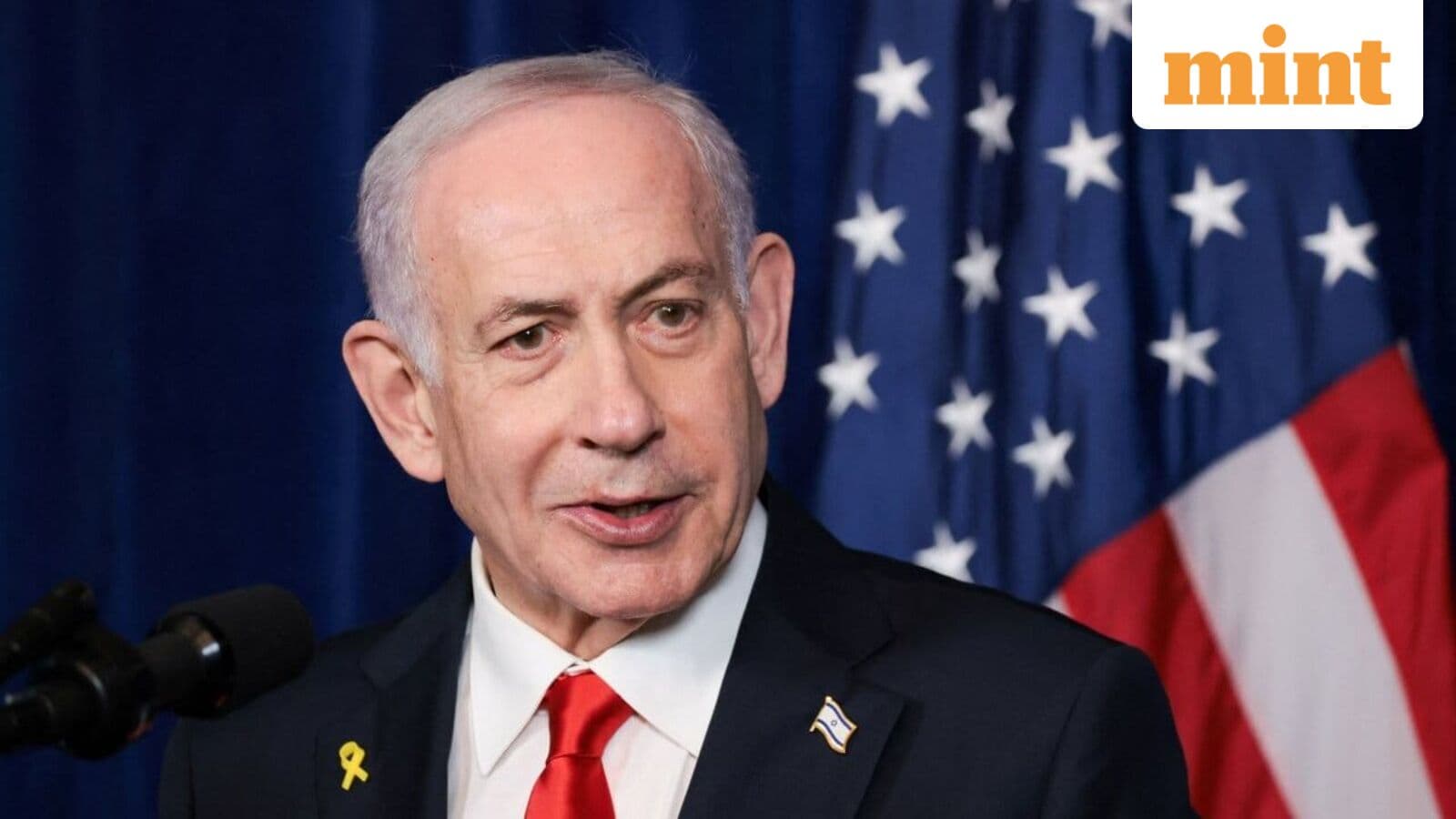
A staggering bet on Polymarket claims Netanyahu could be out by March 31. What does this mean for Israel's political future? Discover more here.
GlipzoA bold wager on Polymarket, a leading decentralized prediction market, is drawing significant attention regarding Israeli Prime Minister Benjamin Netanyahu. The bet suggests that Netanyahu will no longer hold his position by March 31, 2026. A user on social media highlighted that a new account has placed over $145,000 on this outcome, with a staggering potential payout of approximately $4 million (around ₹37 crore).
The user, identified as `dududududu22`, has reportedly invested nearly $170,000 (about ₹1.6 crore) in this prediction. However, the odds are shifting unfavorably against this bet, indicating a challenging path ahead. As the March 31 deadline approaches, the prospect of Netanyahu being “out” is increasingly looking doubtful as the user faces over $10,000 in losses.
In this context, being “out” implies that Netanyahu is no longer in power, which could happen through a resignation, electoral defeat, or other scenarios, including potential political upheaval. Notably, the prediction market is designed to be clear in its terms, specifically stating that if Netanyahu were to die, he would also be considered “out.” The ongoing Israel-Iran conflict adds an unsettling layer to this wager, as some bettors might consider Netanyahu's potential demise as a factor.
Israel's political landscape is currently turbulent, with elections scheduled to occur by October 2026. Given the ongoing war situation, immediate elections seem unlikely. If Netanyahu is indeed “out” by the end of March, it would likely not be due to electoral results but rather due to other unforeseen circumstances.
Polymarket is a U.S.-based platform where users place real money bets on various political and global events, including elections, conflicts, and economic conditions. The platform gained popularity during the 2024 U.S. presidential election, where it successfully predicted Donald Trump's victory ahead of many traditional pollsters.
Recently, Polymarket has made headlines with notable connections to political figures. For instance, Donald Trump Jr. has joined the advisory board, with his firm, 1789 Capital, making a significant investment in the company. This high-profile involvement raises questions about the influence of political insiders in prediction markets.
In a concerning incident, six accounts on Polymarket reportedly earned around $1 million just as Iran faced air strikes, prompting speculation about foreknowledge. Although no wrongdoing has been substantiated, the timing of those bets, made just hours before the strikes on February 28, raises eyebrows.
Meanwhile, rumors regarding Netanyahu's health have circulated widely on social media. Reports claiming he has died were dismissed by the Israeli Prime Minister's Office, labeling them as fake news and disinformation. Netanyahu himself addressed the rumors in a light-hearted video, seen enjoying coffee at a café in Jerusalem. He humorously remarked, "I am dying… for a coffee," attempting to quell concerns about his well-being.
Israeli Ambassador to India, Reuven Azar, confirmed that Netanyahu is “very much alive” and validated the authenticity of the café video. However, conspiracy theories persist, with some questioning the timing of Netanyahu's public appearance amidst ongoing conflict and suggesting that recent footage might be outdated from the pandemic era.
The implications of this bet and the swirling rumors around Netanyahu's health are significant. They underscore the precarious nature of political stability in Israel, especially against the backdrop of ongoing warfare and potential shifts in leadership. This could lead to a dramatic realignment in Israeli politics, influencing policies both domestically and internationally.
As the March deadline looms, the political climate will be closely monitored. The stakes are high not just for Netanyahu, but for the future of Israeli governance and its impact on the broader Middle Eastern region.
Moving forward, observers should watch for: - Political developments in Israel as the March deadline approaches. - Potential reactions from the public and political analysts regarding Netanyahu’s health and leadership. - The role of Polymarket in forecasting political outcomes amidst turbulent situations.
The ongoing situation is fluid, and it remains to be seen how the dynamics will evolve as critical deadlines near, shaping both the future of Netanyahu and the political landscape of Israel.
In conclusion, the unfolding narrative surrounding Benjamin Netanyahu is not merely a matter of speculation but reflects the intricate interplay of politics, public sentiment, and the unpredictable nature of leadership in times of crisis.
Stay tuned for updates as this situation develops.

Tensions soar as the US and Iran engage in air strikes near the Strait of Hormuz, raising concerns over global oil supply and regional stability.
BBC World
Trump's international interventions face serious stalemates. What will this mean for U.S. foreign policy? Explore the critical challenges ahead.
Indian Express
Tehran denies resignation of President Masoud Pezeshkian amid claims of IRGC influence. What does this mean for Iran's political stability? Click to learn more!
Indian Express