
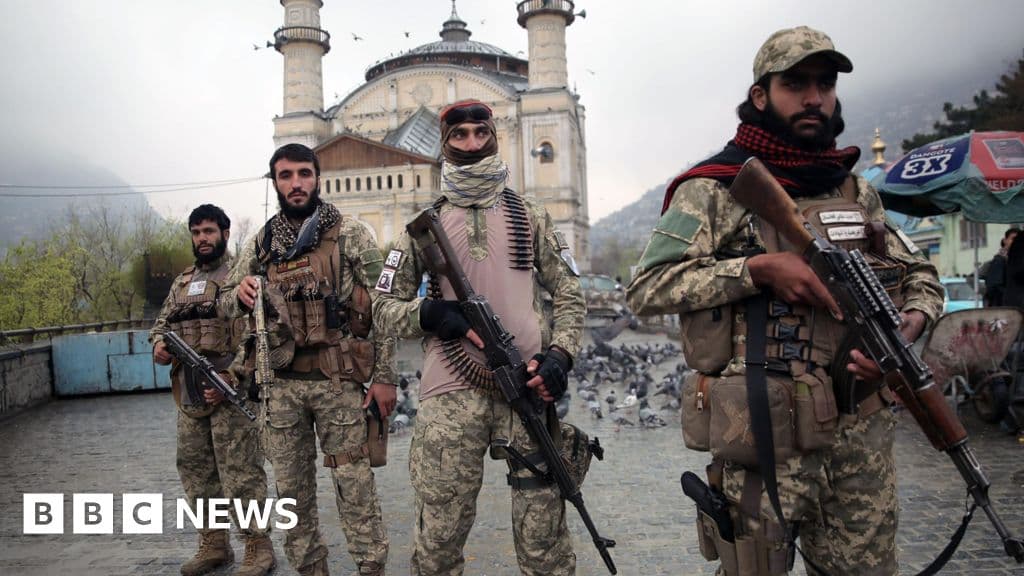
Image: BBC World
A shocking attack on Kunar University in Afghanistan by Pakistan has left multiple casualties, raising serious concerns about escalating tensions in the region.
GlipzoIn a tragic escalation of cross-border tensions, Pakistani airstrikes in Kunar province, eastern Afghanistan, have left at least seven people dead and 75 injured, including university students and faculty members. This alarming incident, reported by multiple sources, highlights the precarious situation in the region and the ongoing conflict between Pakistan and Afghanistan. The attacks occurred on [insert date], prompting strong reactions from local authorities and international observers.
The Taliban government has claimed that 30 of the injured are students from Kunar University, where the strikes reportedly caused extensive damage. Eyewitness accounts describe scenes of chaos as students and residents fled for safety amid the barrage of explosions. An unnamed professor at the university recounted hearing terrifying blasts across the campus, showcasing the immediate impact of the violence on educational institutions.
In response to the allegations, Pakistan's information ministry has vehemently denied any involvement in the attacks, labeling the reports as false. This denial comes on the heels of heightened tensions following a previous airstrike in Kabul, which tragically claimed 269 lives at a drug rehabilitation center. These events have raised serious concerns regarding the safety of civilians in areas affected by the conflict.
Matiullah Shahab, a freelance journalist and human rights activist, was near the attack site and reported hearing bombardment sounds around 14:00 local time. He witnessed civilians fleeing the town center, indicating the widespread panic and fear that the attacks have instigated. His observations underline the urgency for safety measures and international attention on the humanitarian impact of these military actions.
The recent attacks in Kunar are part of a troubling trend, with hundreds of casualties reported in cross-border conflicts between Pakistan and Afghanistan over recent months. This escalation comes despite a fragile ceasefire that had been in place following Chinese mediation earlier this year, which aimed to facilitate dialogue between the two nations. The talks, held in Urumqi in early April, had led to a temporary reduction in hostilities, suggesting that diplomatic efforts were being made to address the longstanding tensions.
However, this ceasefire has now been shattered as the Taliban government publicly condemned the attacks. Deputy spokesman Hamdullah Fitrat referred to the airstrikes as “grave and inexcusable war crimes”, signaling a significant shift in the Taliban's previously cautious approach to discussing Pakistan’s military actions. This change in tone could potentially complicate ongoing negotiations aimed at stabilizing the region.
Pakistan has historically played a complex role in Afghanistan, often acting as a supporter of the Taliban. However, relations have soured, particularly after Islamabad accused the Taliban of harboring the Pakistani Taliban, which has been involved in an insurgency against the Pakistani government. This deterioration in relations has led to a series of military confrontations that have left civilians caught in the crossfire.
The international community is now watching closely as the situation unfolds. With both nations having a history of conflict and cooperation, the escalation of violence raises questions about the future of diplomatic relations. Analysts suggest that the lack of communication and increasing militarization could hinder peace efforts.
The attack on Kunar University symbolizes a broader struggle for stability in a region plagued by violence and conflict. The targeting of educational institutions not only disrupts learning but also instills fear in communities, affecting future generations.
Furthermore, the international ramifications of this conflict are significant. As world powers engage in diplomatic efforts to mediate between Afghanistan and Pakistan, the ongoing violence complicates these discussions and poses challenges to regional security.
As we look ahead, several key factors will shape the trajectory of this conflict: - Continued military actions: Further airstrikes by either side could provoke additional retaliatory measures. - Diplomatic negotiations: The efficacy of ongoing talks, especially with Chinese mediation, will be critical in determining whether a lasting ceasefire can be achieved. - Humanitarian response: The international community must respond to the humanitarian crisis, ensuring aid reaches affected civilians in Kunar and beyond.
The world will be watching closely as both nations navigate these turbulent waters, hoping for a resolution that prioritizes peace and stability over continued conflict.

Tensions soar as the US and Iran engage in air strikes near the Strait of Hormuz, raising concerns over global oil supply and regional stability.
BBC World
Trump's international interventions face serious stalemates. What will this mean for U.S. foreign policy? Explore the critical challenges ahead.
Indian Express
Tehran denies resignation of President Masoud Pezeshkian amid claims of IRGC influence. What does this mean for Iran's political stability? Click to learn more!
Indian Express