
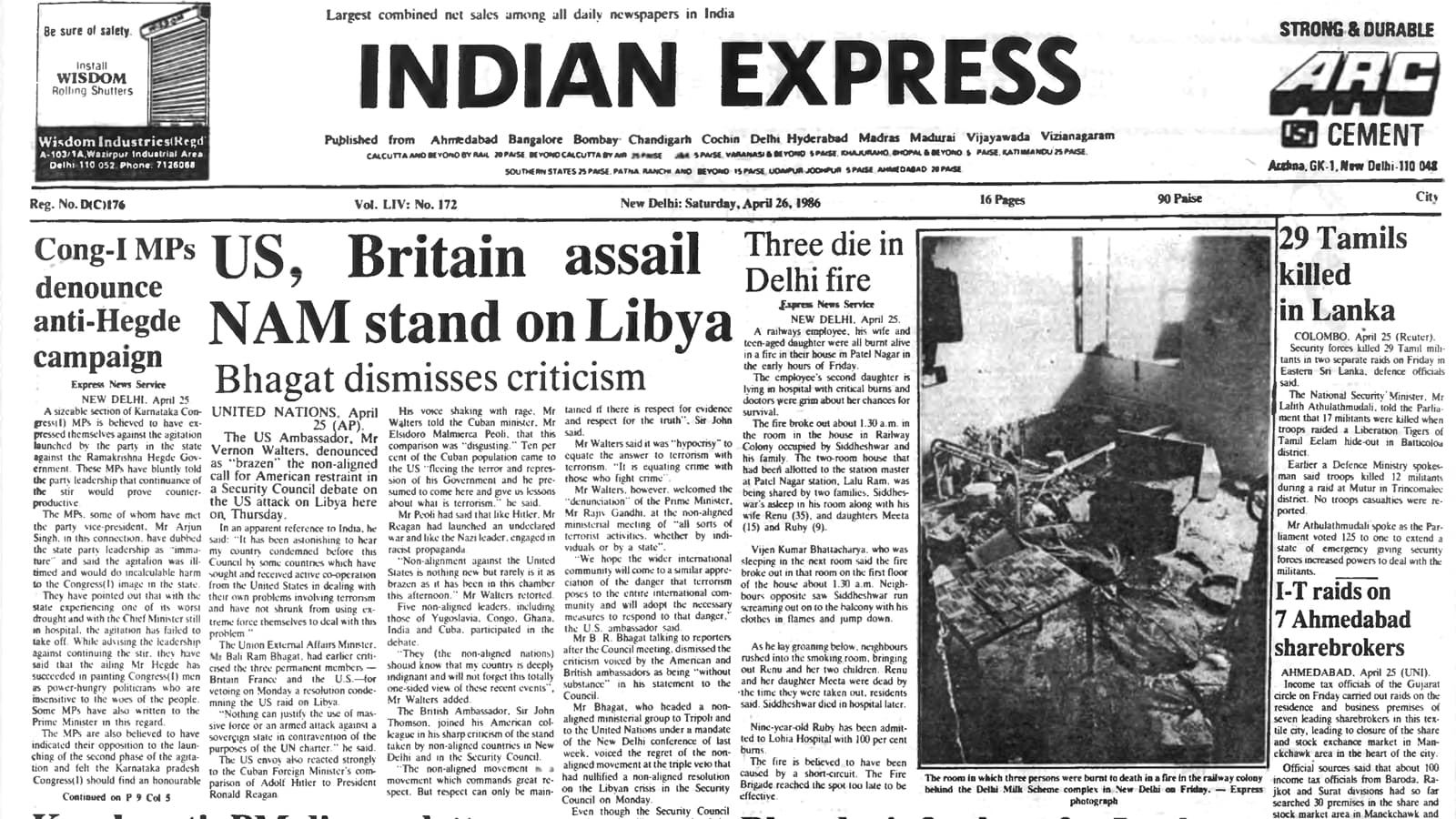
Image: Indian Express
Two journalists arrested in Orissa raise serious concerns about press freedom amid ongoing violence and unrest. What does this mean for the future?
GlipzoIn a shocking turn of events, the arrest of two journalists in Phulbani, Orissa, has brought significant attention to the ongoing struggle for press freedom in India. On April 27, 1986, journalists Bidyaadhar Pal and Patitpaban Sahu, who work for the local dailies Samaj and Matrabhumi respectively, were taken into custody amid claims that they were reporting on the deteriorating law and order situation in the district.
The police, however, countered these allegations, stating that the journalists, along with two lawyers, were engaged in instigating public dissent and had attempted to gherao the police. This incident raises critical questions about the safety of journalists in India and the limits imposed on their freedom to report on pressing issues affecting society.
Press freedom is a cornerstone of democracy, enabling journalists to inform the public about government actions and societal issues without fear of retaliation. The arrests of Pal and Sahu exemplify the ongoing challenges faced by journalists in regions where reporting on sensitive topics can lead to severe consequences.
The implications of such arrests extend beyond the individuals involved; they signal a dangerous trend where the freedom of expression is compromised. This incident further emphasizes the need for protective measures for journalists and the importance of a free press in holding authorities accountable.
In a related development, the Policy Planning Committee has undergone a significant reorganization. Now known as the Policy Advisory Committee, this body will take on expanded responsibilities that encompass national security and international economic matters. The committee, still under the leadership of G. Parthasarthy, now includes high-profile members such as Arun Nehru, Minister of Internal Security, and Sukhomoy Chakraborty, Chairman of the Prime Minister’s Economic Advisory Council.
This restructuring indicates a shift towards a more comprehensive approach in addressing pressing national issues, although the impact of these changes on press freedom remains to be seen.
Separately, the Punjab region has been rocked by violence, with three individuals, including a suspected terrorist, killed during an armed bank robbery that netted Rs 2.35 lakh. Authorities have heightened security measures in response to this alarming incident. Additionally, a separate scooter snatching by three unidentified youths in Harchowal village near Batala further underscores the deteriorating law and order situation in the area.
This rise in violence not only poses immediate threats to public safety but also complicates the environment in which journalists operate, as they navigate reporting on crime and unrest while facing potential repercussions.
On the international front, a bomb explosion in Lyon, France, shook the early morning calm, injuring one person and damaging property in the vicinity. The explosion occurred at the American Express offices, raising alarms about security in urban areas. This incident follows the recent killing of a prominent executive from Black and Decker, which has been attributed to an obscure Arab group that has issued threats against British and American interests worldwide.
The attack in Lyon is a stark reminder of the ongoing global tensions and the threats that various regions face from extremist groups. It highlights the interconnectedness of security issues and how they can resonate across borders, impacting both local and international communities.
As these events unfold, the future of press freedom in India hangs in the balance. The arrests of journalists in Orissa have sparked renewed discussions about the need for protective measures and greater accountability for authorities. Meanwhile, the violence in Punjab and the bombing in France underline the urgent need for enhanced security and proactive measures to safeguard civilians and journalists alike.
As these stories develop, they will undoubtedly shape public discourse around issues of safety, freedom, and accountability in both national and international contexts.

Tensions soar as the US and Iran engage in air strikes near the Strait of Hormuz, raising concerns over global oil supply and regional stability.
BBC World
Trump's international interventions face serious stalemates. What will this mean for U.S. foreign policy? Explore the critical challenges ahead.
Indian Express
Tehran denies resignation of President Masoud Pezeshkian amid claims of IRGC influence. What does this mean for Iran's political stability? Click to learn more!
Indian Express