
Image: BBC Business
A US soldier is arrested for insider trading linked to Maduro's capture, raising ethical questions about classified information and prediction markets.
GlipzoIn a stunning development, Gannon Ken Van Dyke, a US special forces soldier, has been arrested for allegedly engaging in insider trading related to the capture of Nicolas Maduro, the former Venezuelan president. This incident, which unfolds against the backdrop of covert military operations, raises significant ethical and legal questions about the use of classified information for personal profit.
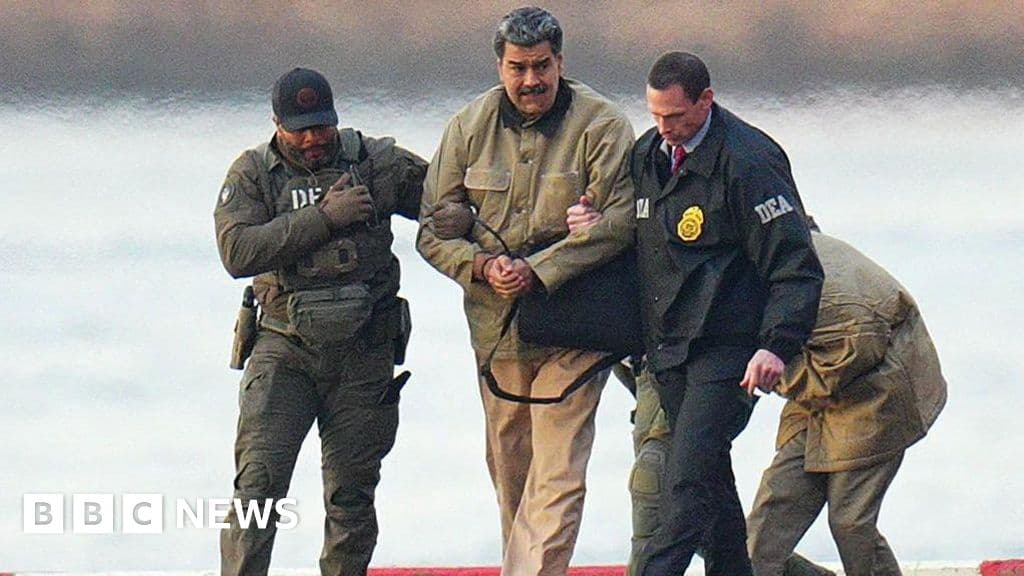
On January 3, 2026, US forces executed a bold nighttime raid in Caracas, apprehending Maduro and his wife, Cilia Flores, on charges they vehemently deny. This operation, dubbed Operation Absolute Resolve, aimed to address serious allegations against Maduro, including drug trafficking and weapon offenses. However, the attention has now shifted from the operation itself to the actions of one of its participants.
According to the Department of Justice (DOJ), Van Dyke allegedly leveraged classified, nonpublic information to place bets on Polymarket, a cryptocurrency-based prediction market platform. This platform allows users to wager on the outcomes of various events, but the DOJ alleges that Van Dyke's activities cross legal boundaries.
Justice officials emphasized that insider trading is illegal under federal law and that Van Dyke's actions represent a serious breach of trust. Acting US Attorney General Todd Blanche stated, "Our men and women in uniform are trusted with classified information... and are prohibited from using this highly sensitive information for personal financial gain."
Polymarket has taken a firm stance against insider trading, asserting that they reported the suspicious activities to the DOJ upon discovery. They stated, "Insider trading has no place on Polymarket. Today's arrest is proof the system works." The platform’s commitment to maintaining the integrity of its trades reflects the broader conversation about the ethics of prediction markets, especially in sensitive areas like national security.
In addition to the charges from the DOJ, the Commodity Futures Trading Commission (CFTC) has also initiated a complaint against Van Dyke for insider trading. This dual approach from regulatory bodies underscores the serious nature of the allegations.
The legal repercussions for Van Dyke are severe. He has been charged with multiple offenses, including: - Unlawful use of confidential government information for personal gain - Theft of nonpublic government information - Commodities fraud - Wire fraud - Making an unlawful monetary transaction
Each of these charges could carry significant penalties, reflecting the seriousness with which the government views the protection of classified information. Prosecutors have made it clear that the laws governing national security apply equally in both traditional and digital trading environments.
The news of Van Dyke's arrest has drawn attention from various sectors, including political leaders. When questioned about the incident, President Donald Trump stated he was unaware of the situation but indicated he would investigate further, expressing discomfort with the potential for prediction markets to facilitate insider trading.
He remarked, "The whole world, unfortunately, has become somewhat of a casino," reinforcing the concerns about the ethical implications of such betting platforms. Trump's comments reflect a growing unease about the intersection of gambling and serious political events, particularly those involving national security.
This case raises critical questions about the ethical boundaries of trading on classified information and the responsibilities of military personnel. It highlights how emerging technologies and platforms like Polymarket can complicate the legal landscape surrounding insider trading. With the rise of prediction markets, regulators may need to tighten oversight to prevent potential misuse.
The implications of this case extend beyond Van Dyke himself, as it could lead to stricter regulations for trading platforms and military personnel alike. As the investigation unfolds, stakeholders will be watching closely to see how the government addresses these issues.
As the legal proceedings against Van Dyke progress, it is essential to monitor both the implications for prediction markets and the military’s handling of classified information. The outcome could result in: - Increased regulation of prediction markets to prevent insider trading. - Enhanced training and awareness for military personnel regarding the use of classified information. - A potential reassessment of the ethical guidelines surrounding military operations and financial activities.
This case serves as a reminder of the delicate balance between innovation in trading technologies and the ethical obligations that come with handling sensitive information. As we look to the future, the discourse surrounding these issues will likely continue to evolve, prompting a necessary conversation about accountability and transparency in both the military and emerging financial markets.

Tensions soar as the US and Iran engage in air strikes near the Strait of Hormuz, raising concerns over global oil supply and regional stability.
BBC World
Trump's international interventions face serious stalemates. What will this mean for U.S. foreign policy? Explore the critical challenges ahead.
Indian Express
Tehran denies resignation of President Masoud Pezeshkian amid claims of IRGC influence. What does this mean for Iran's political stability? Click to learn more!
Indian Express