
Image: BBC World
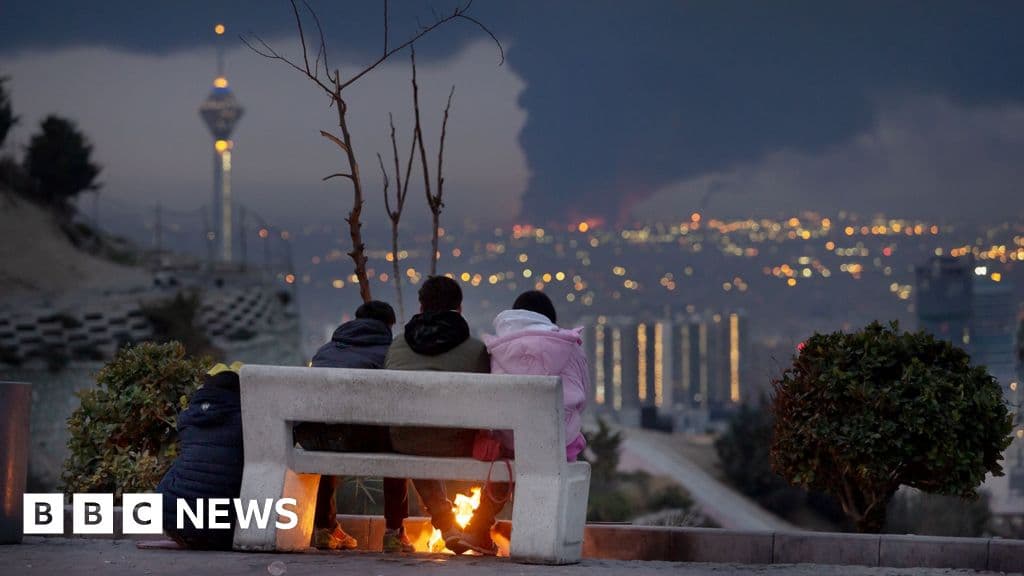
Tehran's residents live in fear as airstrikes and state repression dominate their lives. Discover the emotional turmoil and hope for change in Iran.
GlipzoIn the heart of Tehran, residents live under an unrelenting cloud of fear as airstrikes and state repression wreak havoc on their daily lives. One woman, who chooses to remain anonymous and is referred to as Baran, illustrates the dire circumstances faced by many. She describes the eerie calm of a night punctuated only by the distant hum of traffic. But that calm can shatter in an instant, replaced by the terrifying sounds of aircraft and booming explosions in familiar neighborhoods. This is the grim reality for countless Iranians struggling to navigate a city transformed into a battleground.
The BBC recently shared chilling footage and insights from Tehran, painting a picture of a city where the populace is gripped by constant anxiety. Baran, a businesswoman in her thirties, confesses that fear has driven her indoors, saying, "With the start of the drone attacks, no one dares to go outside. If I open my door and step out, it is like gambling with my life." Her isolation is palpable, yet she remains in contact with friends, sharing updates and emotions through messages that echo the dread permeating their lives. She admits, "Even when there is no sound, the silence itself is terrifying."
The backdrop of Baran's fear is a country reeling from a brutal crackdown on protests that erupted earlier this year. In January, thousands lost their lives as regime forces responded violently to demands for change. The emotional scars left by these events are deep, with Baran reflecting on her personal loss: "I cannot even remember how I used to live in the past without being reminded of the loved one I lost during the protests." The pervasive dread stems not only from the immediate threats but from the haunting uncertainty of what tomorrow may bring.
The atmosphere of repression is total, with dissent effectively silenced. The streets of Tehran are patrolled by state security forces, making any expression of opposition nearly impossible. Footage shared by the BBC reveals pro-regime vehicles cruising through the city at night, flags waving as a stark warning to potential dissenters. The official narrative dominates, with state-controlled media broadcasting only the regime's message, depicting the Iranian people as willing to endure suffering for the sake of martyrdom.
Among the turmoil, independent journalists strive to uncover and share alternative perspectives. However, their efforts come with significant risks, including arrest and torture. One journalist expressed the dire situation, stating, "In wartime conditions, you really don't know what they are capable of doing." This chilling assertion highlights the precarious position of those attempting to document the truth amid state-sponsored violence.
In the safety of their homes, some residents of Tehran find fleeting moments to express their emotions. Ali, a middle-aged man, reflects on the current state of affairs with a heavy heart. He had hoped for change following the death of Ayatollah Khamenei, but now finds himself surrounded by armed security personnel and checkpoints, describing his city as a "city of the dead." To cope with the overwhelming despair, he relies on anti-depressants, a testament to the psychological toll of living in such dire circumstances.
Despite the overwhelming fear, many Iranians grapple with conflicting emotions. They yearn for an end to the regime's reign but simultaneously feel targeted by external forces. Ali articulates this struggle: "The situation is frightening… the skies of your country are controlled by enemy forces." Yet, amid this chaos, he acknowledges a flicker of hope, stating that he and others dare to dream of a time when the regime may fall, allowing for a new beginning.
Baran, in her apartment, continues to listen for the ominous sounds of explosions while reaching out to friends in other neighborhoods. She poignantly compares their grim reality to that of the rest of the world, saying, "Do you know what the difference is between our sky and the sky of the rest of the world? They sleep under the stars at night, and we sleep under rockets. Both skies give light, but different kinds of light." Her words encapsulate the tragic duality of life in Tehran, where hope battles against the harshness of reality.
As the situation in Iran continues to evolve, the future remains uncertain. The Iranian people face a critical juncture; they must navigate the treacherous waters of state repression while clinging to the hope for change. The international community watches closely, as developments unfold in this beleaguered nation. What will become of the voices yearning for freedom? Will the regime's grip on power falter, or will the airstrikes and oppression continue to suffocate the aspirations of the Iranian people? As Tehran's residents brace for what lies ahead, their resilience and courage remain a testament to the human spirit in the face of adversity.
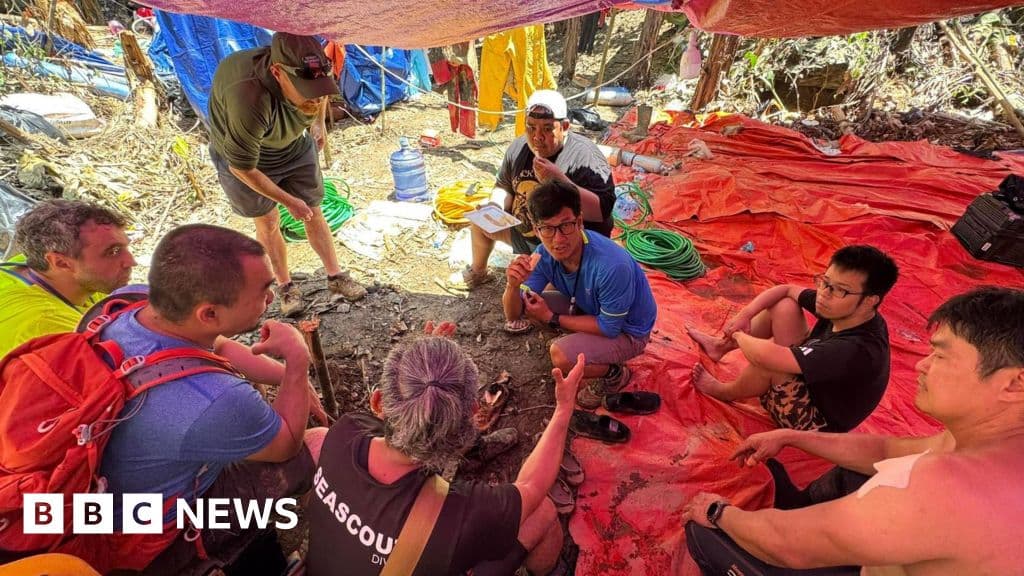
Survivors of the Laos cave rescue are aiding efforts to find the last two missing men trapped inside, sharing crucial insights for the search operation.
BBC World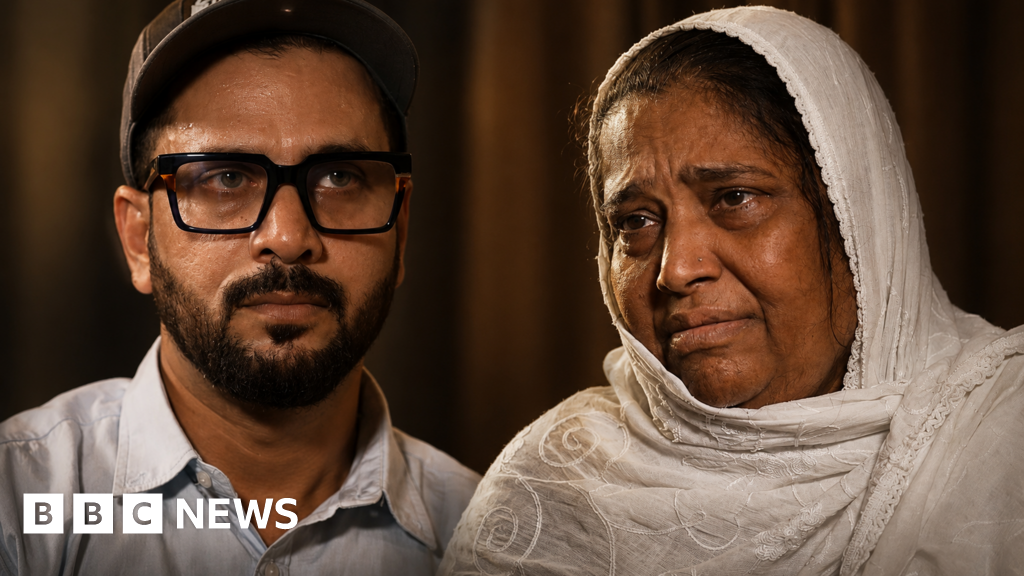
A year after the tragic Air India crash, the Ali family reflects on grief, unanswered questions, and the enduring bonds of love in the face of loss.
BBC Business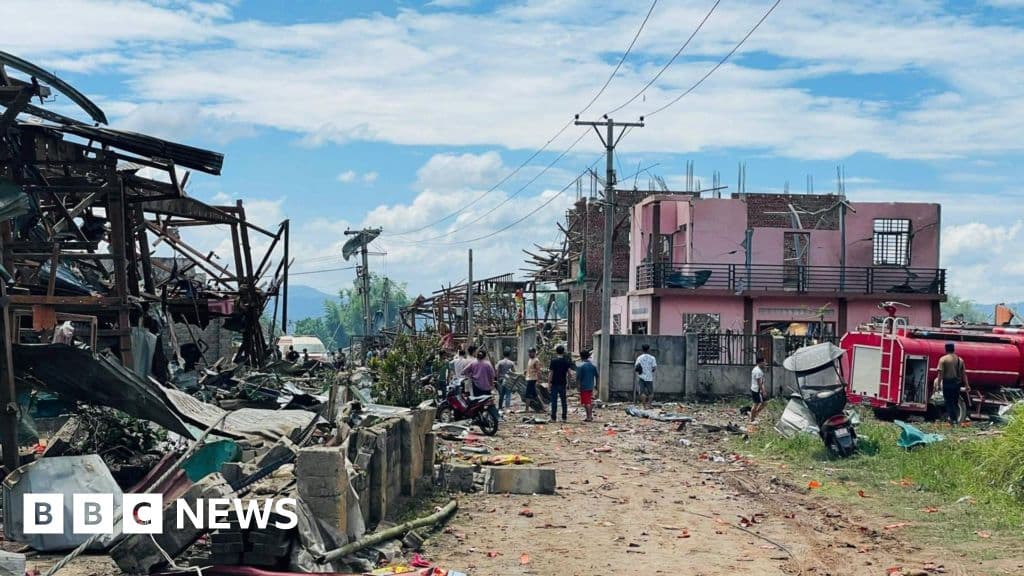
A devastating explosion in Myanmar's Kaung Tat village has killed at least 55 people, raising serious safety concerns and questions about civilian protection in conflict zones.
BBC World