
Image: BBC World
Civilians feared dead after airstrike on Nigerian market raises alarms about military operations. What happens next in this ongoing crisis?
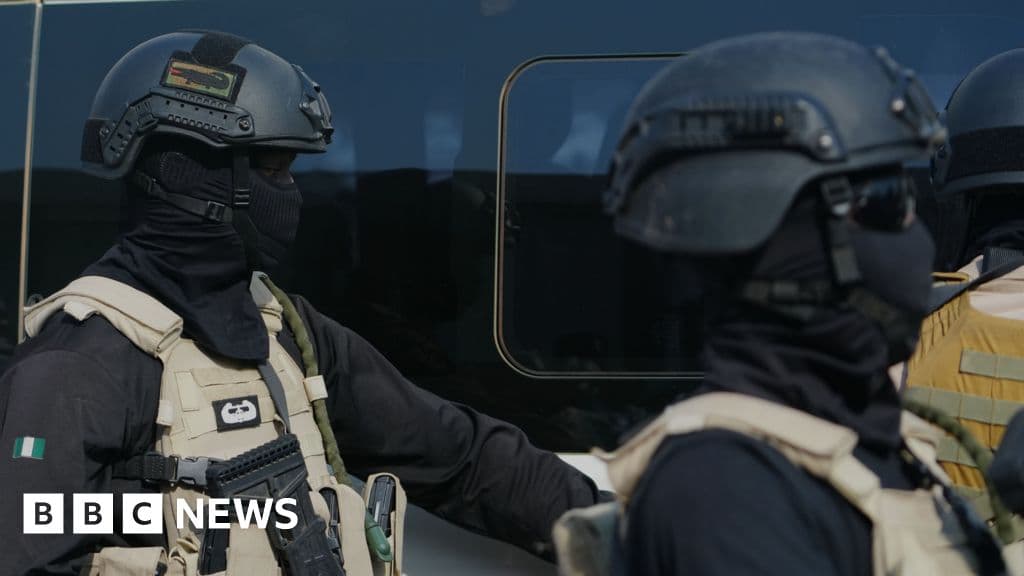
GlipzoIn a tragic turn of events, civilians are feared dead following a reported airstrike by the Nigerian military on a bustling village market in the country's northeast. This devastating incident occurred near the border of Yobe and Borno states while military aircraft were reportedly targeting Islamist militants in the region. The ramifications of this strike have raised serious concerns regarding the ongoing conflict and its impact on innocent lives.
Local reports and the Reuters news agency have described the situation as dire, with 200 civilian casualties cited by Lawan Zanna Nur Geidam, a counselor in the Geidam district of Yobe, alongside testimonies from affected residents and humanitarian officials. However, conflicting reports have emerged, with the Nigerian Air Force maintaining that their operations were focused solely on “identified terrorist locations” in the Jilli axis of Borno State. They have yet to confirm the strike on the market or the reported casualties.
The northeast region of Nigeria has been the epicenter of the Boko Haram insurgency, a conflict that has displaced over two million people and resulted in countless deaths. The Nigerian Air Force stated that their operations on Saturday were part of a broader effort to target fleeing militants taking advantage of the challenging terrain. Unfortunately, these military operations often lead to tragic mistakes, with civilians frequently caught in the crossfire.
The Jilli market, typically a hub for traders and buyers from surrounding communities, has now turned into a site of tragedy. According to reports, the market day attracted many residents, which may have contributed to the high number of casualties. Eyewitness accounts vary, with some claiming at least 56 deaths and several injuries, while others suggest the toll could be much higher.
As the situation unfolds, multiple sources have reported drastically different casualty figures. While The Sun and Punch indicated that around 10 people had died, the Daily Trust provided a more alarming estimate of 56 fatalities. The Yobe State Emergency Management Agency acknowledged receiving preliminary reports regarding the incident but emphasized that the specifics of the attack and casualty numbers remain unverified.
Brigadier General Dahiru Abdulsalam confirmed that some residents from Geidam Local Government Area who attended the market were affected by the strike. The agency has deployed emergency response teams to assist the injured and assess the situation. Ahmed Ali, a market trader who survived the blast, shared his harrowing experience, describing the chaos and fear that enveloped the marketplace as the strike occurred.
International organizations, including Amnesty International, have condemned the airstrike, claiming that it resulted in the deaths of over 100 people. The organization criticized the Nigerian military’s approach, asserting that such air raids are not a legitimate method of law enforcement. They described the attack as a reckless use of deadly force and highlighted the military's troubling disregard for civilian lives.
This incident marks yet another chapter in a series of tragic missteps by the military in their operations against insurgents. In recent years, there have been numerous reports of civilian casualties resulting from military interventions, including strikes on villages and camps for internally displaced persons. The humanitarian implications of these actions continue to raise alarms among local and international observers.
As the dust settles on this tragic event, it is critical to understand the broader implications of military operations in conflict zones. The Nigerian government must prioritize accountability and ensure that such incidents do not recur. Civilian protection should be at the forefront of military strategy, particularly in areas heavily affected by conflict.
Moving forward, stakeholders—including humanitarian organizations, local leaders, and the international community—must advocate for greater transparency and military accountability. The civilian population's safety must be ensured, and robust measures should be taken to prevent future tragedies.
In a region already grappling with a humanitarian crisis, the need for peace and stability has never been more urgent. Observers will be closely monitoring the Nigerian military's response and the steps taken to prevent further loss of innocent lives in the ongoing battle against terrorism.
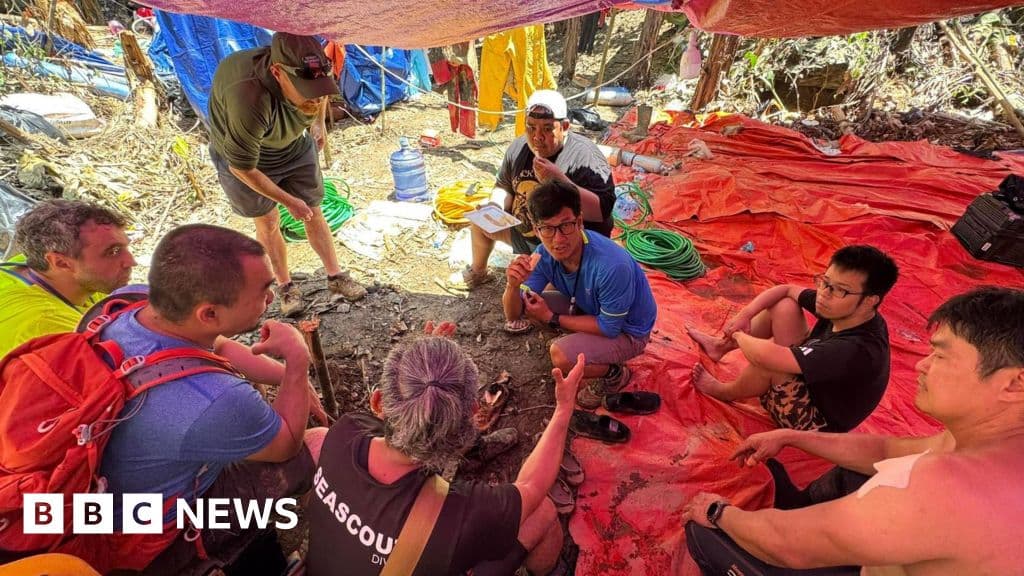
Survivors of the Laos cave rescue are aiding efforts to find the last two missing men trapped inside, sharing crucial insights for the search operation.
BBC World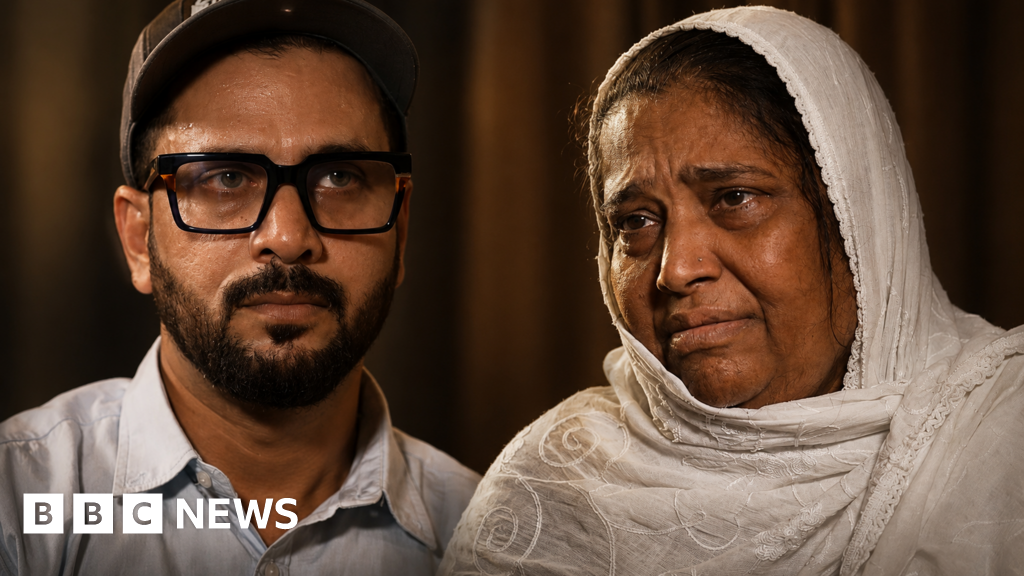
A year after the tragic Air India crash, the Ali family reflects on grief, unanswered questions, and the enduring bonds of love in the face of loss.
BBC Business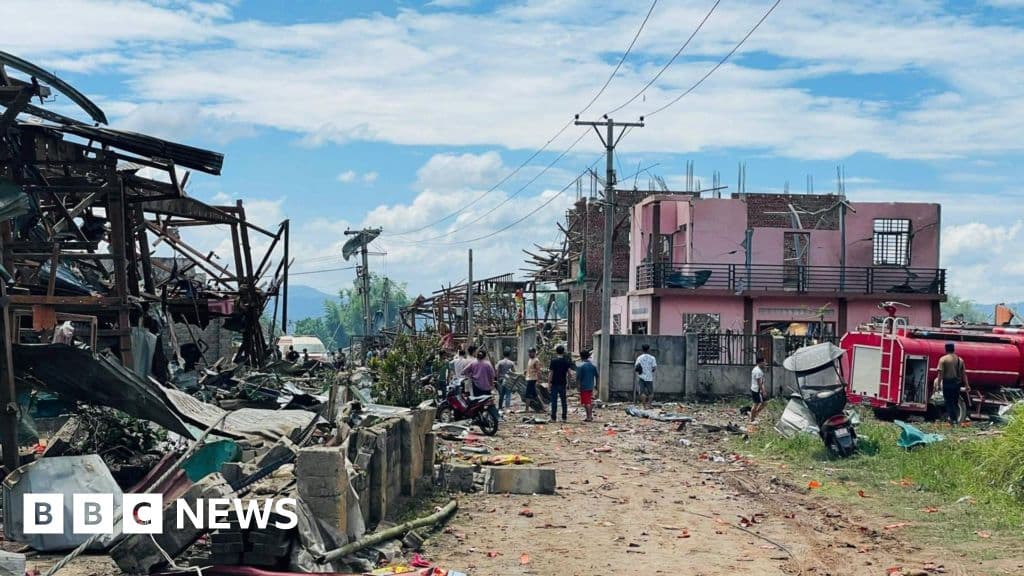
A devastating explosion in Myanmar's Kaung Tat village has killed at least 55 people, raising serious safety concerns and questions about civilian protection in conflict zones.
BBC World