
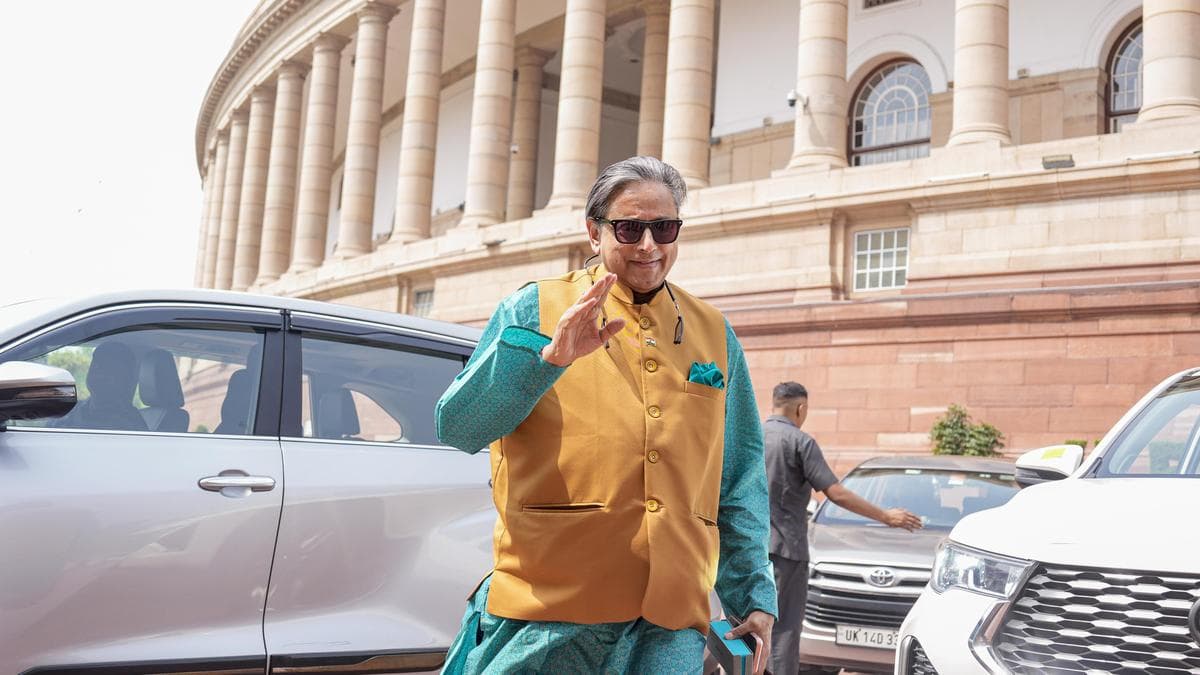
Image: The Hindu
Shashi Tharoor urges immediate international intervention to end the West Asia conflict, emphasizing the humanitarian crisis and the need for peace.
GlipzoShashi Tharoor, a prominent Congress MP, has voiced urgent concerns regarding the ongoing conflict in West Asia, emphasizing that the humanitarian damage has surpassed all acceptable thresholds. Speaking to reporters during an event in New Delhi on March 20, 2026, Tharoor highlighted the need for immediate international intervention to halt the violence that adversely affects not only the combatants but also innocent civilians and countries like India.
Tharoor remarked, "This is a serious issue. It's affecting the ordinary lives of Indians and others everywhere. We should ideally lead an international effort to bring this war to an end. No one wants to see this war continue." His remarks come amidst escalating tensions and aggressive rhetoric from both sides involved in the conflict, which has persisted for three weeks without a resolution in sight.
In his passionate plea, Tharoor stressed that the ramifications of the conflict extend far beyond the immediate region, impacting global oil prices and energy supplies, which in turn affect economies worldwide. He articulated how the escalation is not just a distant issue but one that reverberates back to India, stating, "The damage being done everywhere, both to the combatants and to the wider region, including India, has crossed all acceptable limits. It must be made to stop."
The Congress leader pointed to the appeal made by the Omani foreign minister as a significant gesture, indicating that many nations are advocating for a cessation of hostilities. Tharoor expressed hope that India could play a pivotal role in encouraging dialogue and de-escalation between the conflicting parties.
When questioned about the need for diplomatic voices amid the prevalent hawkish sentiments, Tharoor affirmed his long-standing support for peace initiatives. "I've always been in favor of the doves in this conflict and in most conflicts. War is a futile activity," he asserted. Drawing from his extensive experience in UN peacekeeping, he underscored that soldiers themselves are often reluctant participants in warfare.
He shared poignant insights about the psychological toll of war, saying, "When you talk to soldiers who have lived through fighting and killing, they will share with you the anguish it means. It's one thing to defend your country; it's another to perpetuate a war where innocent lives are lost every day."
Tharoor's commentary highlighted the tragic consequences of the ongoing violence, particularly the loss of innocent lives, including children. He lamented the senselessness of such suffering, asking, "For what?" He reiterated the urgent need for both sides to reconsider their positions, calling for international support to facilitate a peaceful resolution.
By emphasizing the human cost of the conflict, Tharoor seeks to shift the narrative from military escalation to humanitarian intervention, advocating for negotiations that prioritize saving lives rather than prolonging hostilities.
In addition to the West Asia conflict, Tharoor was also queried about the representation of women in politics following Congress leader Shama Mohamed's recent post on social media regarding the low number of tickets allocated to female candidates. Tharoor expressed his support for increased representation, stating, "When women are half the population and they get only 9.8 percent of the seats, it is not fair."
While acknowledging that he is not part of the candidate selection process, he emphasized the importance of women's reservation in politics as a crucial step towards equity. He concluded by saying, "When women's reservation comes, I think that'll be an end to these debates."
As the situation in West Asia continues to evolve, Tharoor's call for peace is a reminder of the urgent need for diplomatic solutions in conflict zones. The potential for international collaboration to facilitate dialogue and de-escalation remains significant.
Simultaneously, Tharoor’s advocacy for women’s representation in politics underscores the importance of inclusivity in governance, suggesting that the fight for equality and peace are interconnected.
Going forward, observers should keep an eye on potential diplomatic initiatives led by India and other nations, as well as the impact of these efforts on both the humanitarian crisis in West Asia and the political landscape in India. The interplay between these issues will be critical in shaping the future of regional stability and gender equity in governance.
The insights shared by Shashi Tharoor highlight the interconnectedness of global conflicts and domestic political representation. Understanding the implications of international conflicts on national interests and social justice initiatives is crucial for fostering a more peaceful and equitable world.
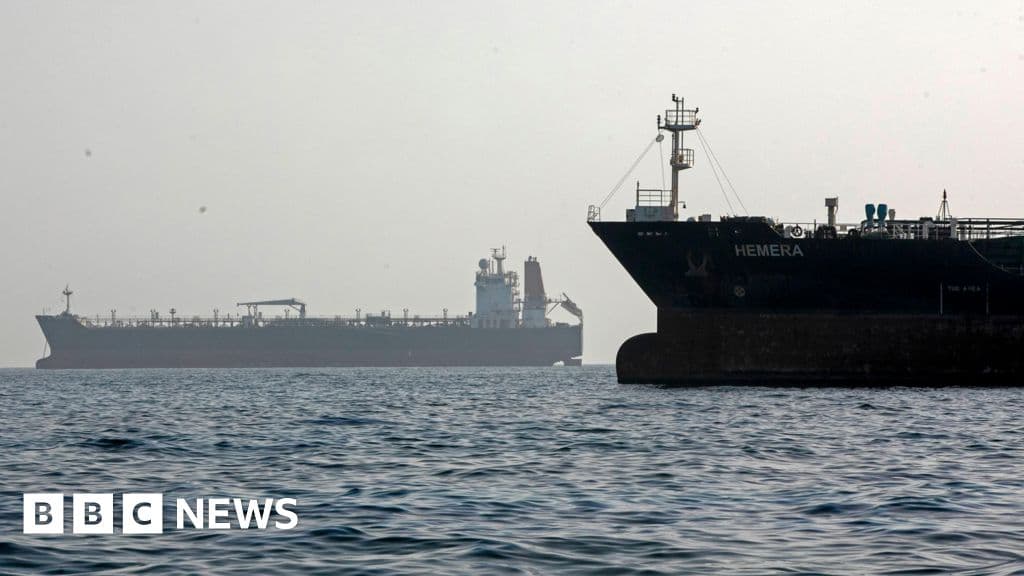
Tensions soar as the US and Iran engage in air strikes near the Strait of Hormuz, raising concerns over global oil supply and regional stability.
BBC World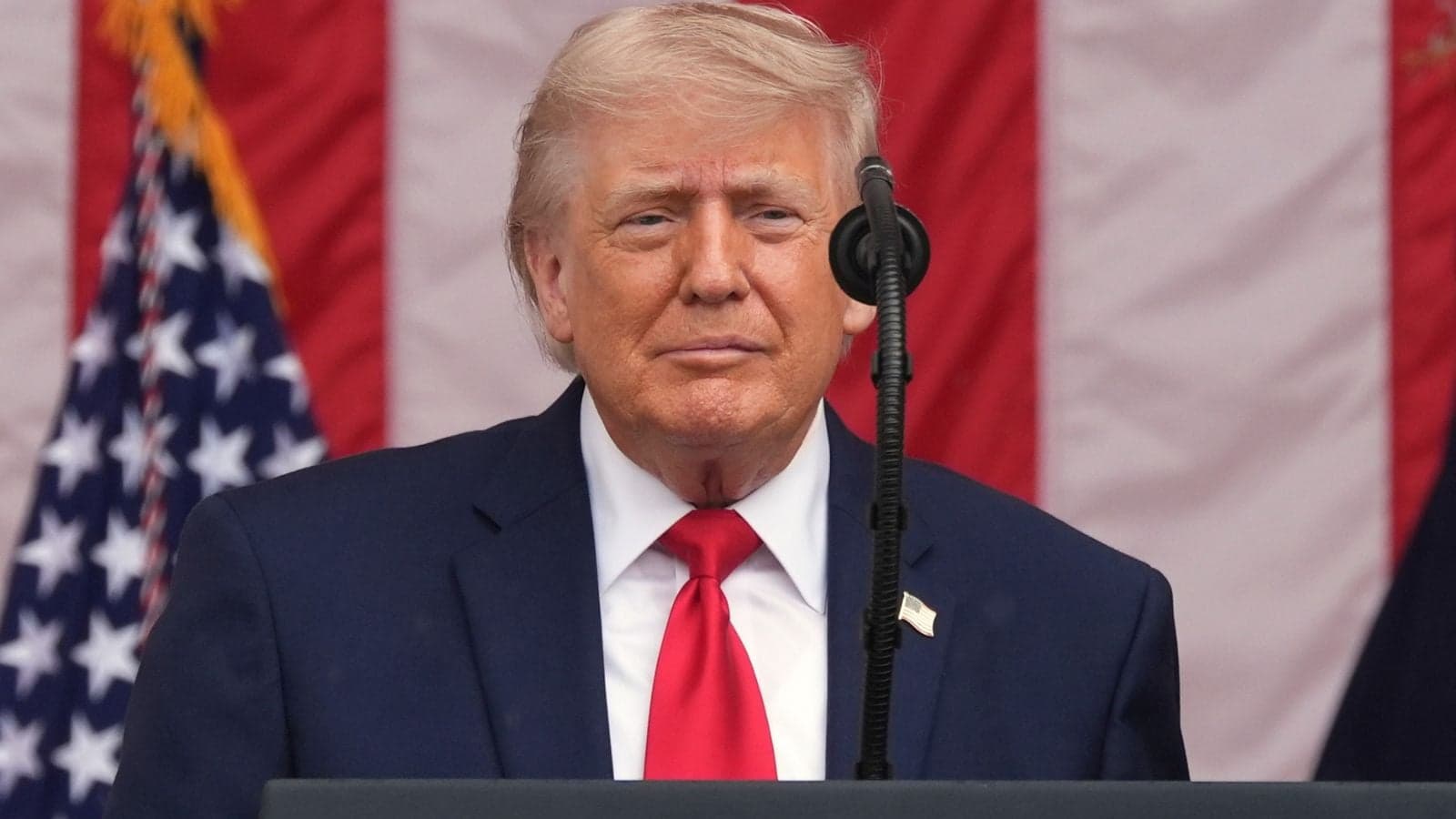
Trump's international interventions face serious stalemates. What will this mean for U.S. foreign policy? Explore the critical challenges ahead.
Indian Express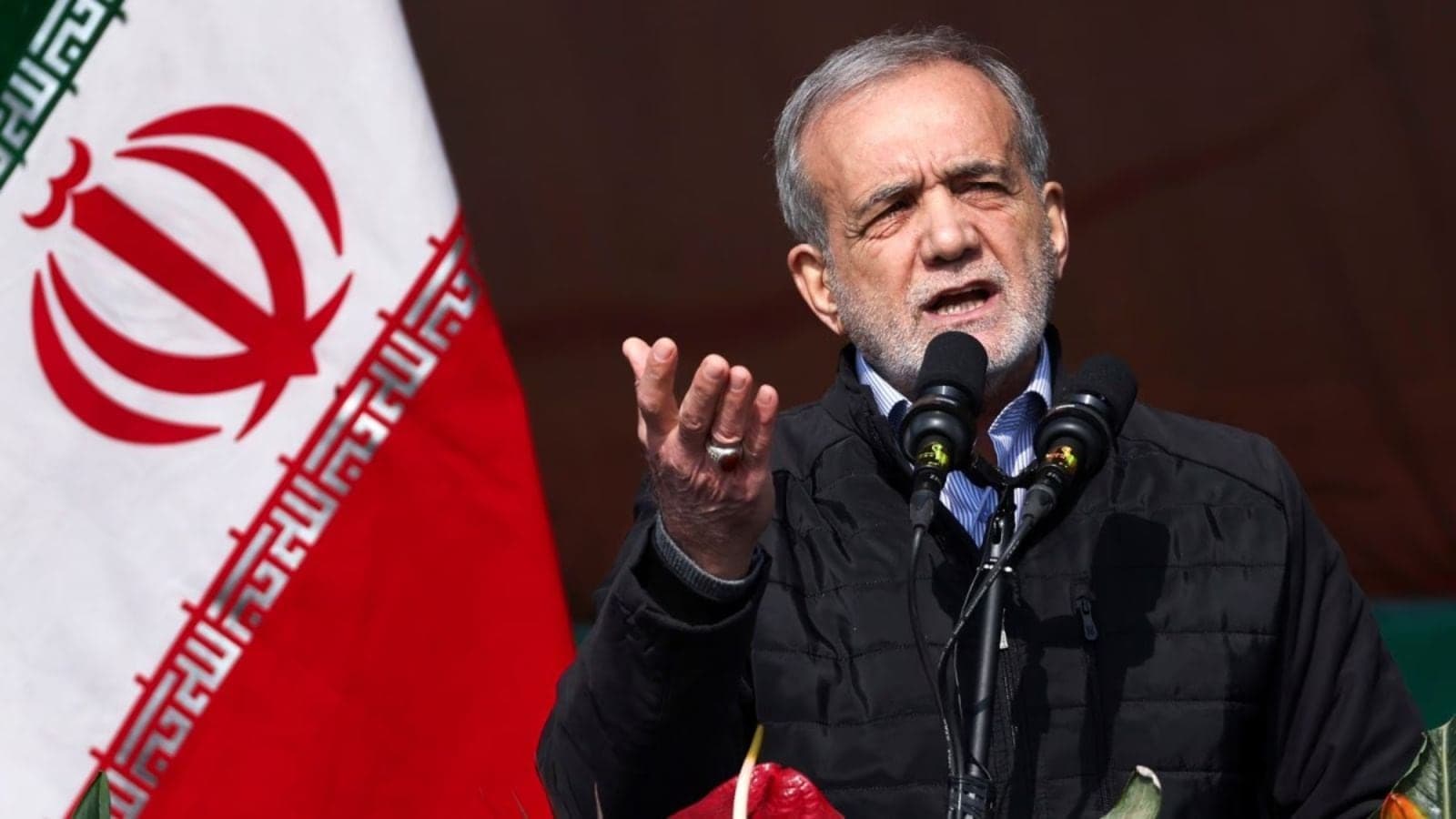
Tehran denies resignation of President Masoud Pezeshkian amid claims of IRGC influence. What does this mean for Iran's political stability? Click to learn more!
Indian Express