

Image: The Hindu
Sara Ali Khan's Kedarnath visit hinges on an affidavit confirming her faith in sanatan dharma, as the BKTC enforces new entry regulations for pilgrims.
GlipzoIn a surprising statement, Hemant Dwivedi, the president of the Badrinath-Kedarnath Temple Committee (BKTC), announced that actress Sara Ali Khan could visit the revered Kedarnath temple if she provides an affidavit confirming her faith in sanatan dharma. This declaration was made during a press conference on March 18, 2026, in Dehradun, where Dwivedi unveiled a new policy restricting entry to non-believers at the temple, which is part of Uttarakhand's significant char dham pilgrimage site, encompassing the Badrinath, Gangotri, and Yamunotri shrines.
The BKTC's decision to enforce this policy is aimed at preserving the sanctity of these holy sites amidst a surge in visitor registrations. In just 11 days since the opening of the registration portal, more than six lakh pilgrims have signed up for the yatra, indicating the growing interest in these sacred destinations.
When asked about the implications for Sara Ali Khan, who has previously visited the Kedarnath shrine and starred in a film related to the Kedarnath disaster, Dwivedi emphasized that the rules are applicable to everyone, including high-profile individuals. He stated, “She can come if she gives an affidavit that she has faith in sanatan dharma and she is a sanatani.” This move aims to ensure that all visitors demonstrate their commitment to the spiritual beliefs associated with these sites.
The BKTC plans to provide a standard format for the affidavit, making it easier for all potential visitors to comply with the new requirements. This regulation has raised eyebrows and sparked discussions regarding the implications for religious inclusivity and access.
In addition to the affidavit requirement, the BKTC has implemented a ban on mobile phones within a 50-60 metre radius of the Kedarnath temple. This regulation is designed to enhance decorum and improve crowd management, ensuring that the spiritual environment remains undisturbed. Designated areas outside the restricted zone will be set aside for photography, allowing visitors to capture memories without compromising the sanctity of the location.
These measures come as part of a broader strategy to manage the increasing number of pilgrims while upholding the temples' spiritual character. The BKTC's proactive steps reflect a desire to balance the influx of visitors with the need for reverence at these sacred sites.
The char dham pilgrimage, which includes the Kedarnath, Badrinath, Gangotri, and Yamunotri temples, holds immense cultural and religious significance for millions of Hindus. Each year, thousands embark on this spiritual journey, drawn by their devotion and the breathtaking beauty of the Himalayan landscape. The recent surge in registrations indicates a renewed interest in these holy sites, prompting temple authorities to establish guidelines that cater to both the influx of pilgrims and the preservation of the temple environment.
The BKTC's latest decisions come against a backdrop of ongoing debates regarding religious practices and accessibility. While some view the affidavit requirement as essential for maintaining the temples' sanctity, others express concerns about its implications for inclusivity.
As the pilgrimage season progresses, all eyes will be on how the BKTC enforces these new regulations and how visitors, including celebrities like Sara Ali Khan, respond to them. The requirement for an affidavit may set a precedent for future temple visits and could potentially influence the policies of other religious sites across India.
Moreover, as the number of pilgrims continues to rise, it will be crucial for the BKTC to ensure that the spiritual atmosphere of Kedarnath is preserved without alienating those who wish to pay their respects. The temple committee's approach may serve as a model or a cautionary tale for other religious institutions grappling with similar challenges.
The upcoming months will reveal how effectively the BKTC manages the delicate balance between devotion, accessibility, and the sanctity of the Kedarnath temple. Visitors, devotees, and religious leaders alike will be watching closely to see how these changes unfold and what they mean for the future of pilgrimage in India.
The BKTC's decisions highlight significant themes in contemporary religious practice in India, including faith, accessibility, and the negotiation of modernity versus tradition. As the nation grapples with its religious identity, the Kedarnath temple's new policies may ignite discussions about who qualifies as a devotee and how spiritual spaces should be managed in an era of increasing tourism.
The implications of these changes extend beyond Kedarnath, as they may influence other religious institutions and their approaches to managing pilgrimage and visitor access. The ongoing dialogue surrounding these policies could shape future practices in a rapidly evolving religious landscape.
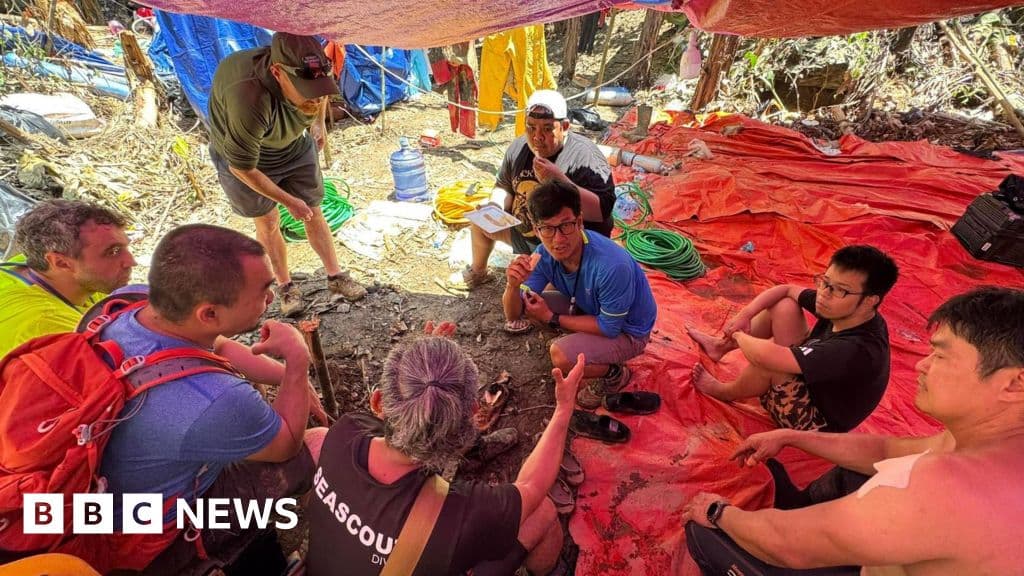
Survivors of the Laos cave rescue are aiding efforts to find the last two missing men trapped inside, sharing crucial insights for the search operation.
BBC World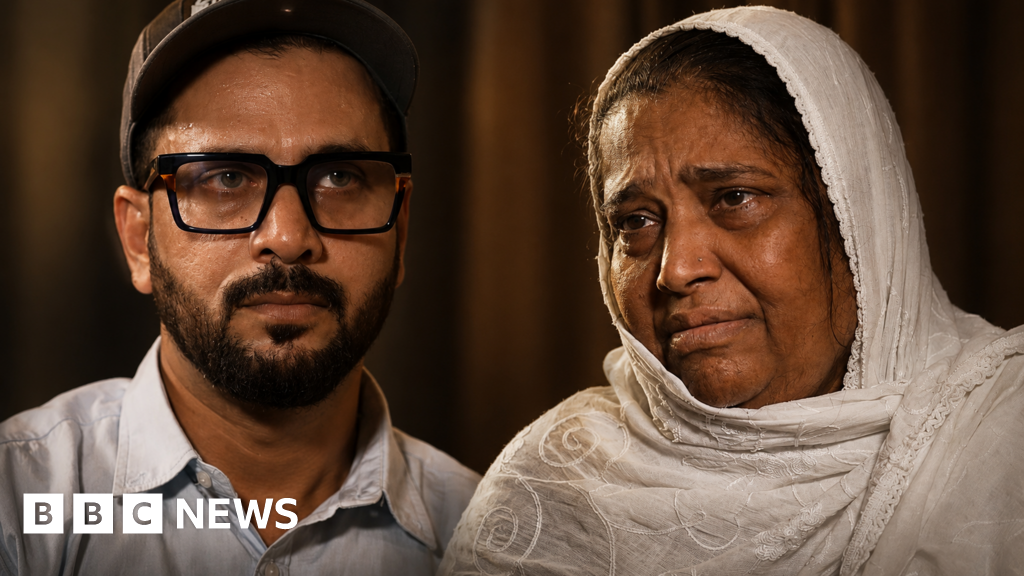
A year after the tragic Air India crash, the Ali family reflects on grief, unanswered questions, and the enduring bonds of love in the face of loss.
BBC Business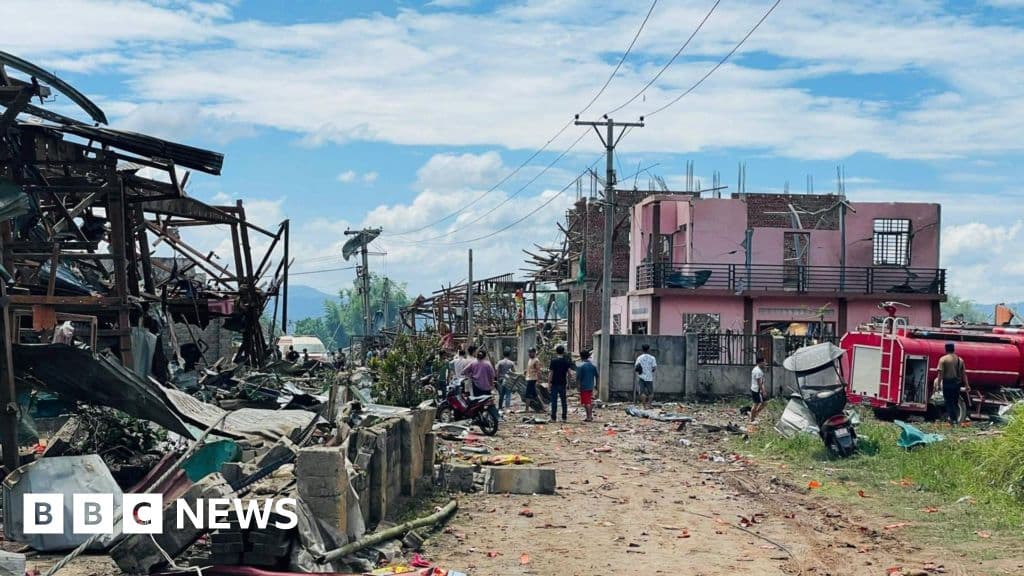
A devastating explosion in Myanmar's Kaung Tat village has killed at least 55 people, raising serious safety concerns and questions about civilian protection in conflict zones.
BBC World