
Image: BBC World
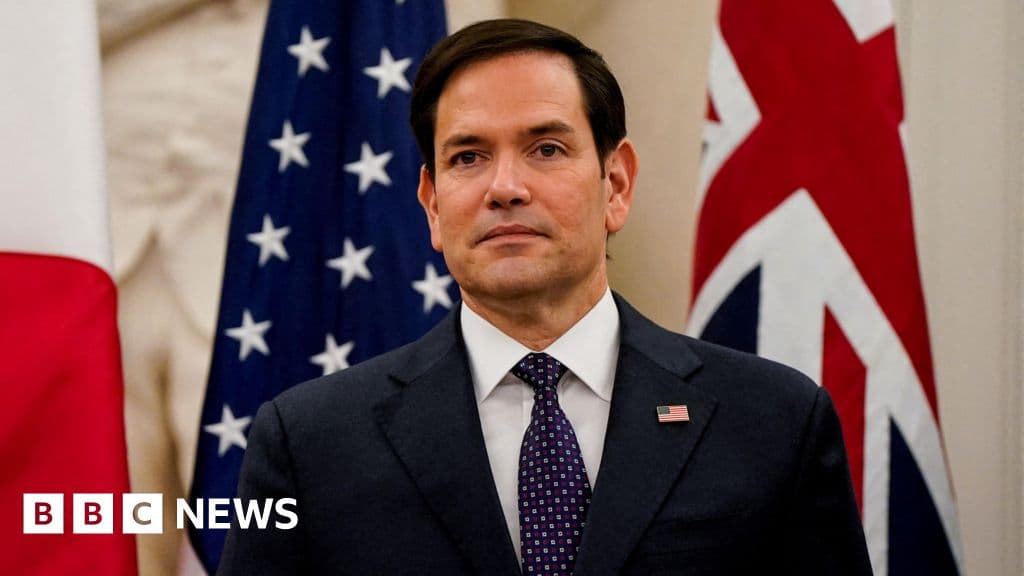
U.S. Secretary of State Marco Rubio visits India to discuss energy amid an ongoing global crisis and geopolitical tensions with Iran. Discover the implications.
GlipzoIn a pivotal four-day visit, U.S. Secretary of State Marco Rubio landed in India on Saturday, October 7, 2023, seeking to strengthen energy ties amid a global crisis exacerbated by the ongoing conflict in Iran. This visit comes at a crucial time as geopolitical tensions and energy shortages grip many nations, particularly those reliant on oil imports.
Rubio's itinerary is packed, with stops planned in major cities such as Kolkata, Delhi, Jaipur, and Agra. A significant meeting is expected with Indian Prime Minister Narendra Modi, where energy will undoubtedly be a top discussion point. With energy shipments through the Strait of Hormuz, a vital shipping route, facing severe disruptions due to military actions, the urgency for alternative energy sources is more pronounced than ever.
The ongoing conflict involving Iran, Israel, and the U.S. has led to a near halt in energy shipments through the strategic Strait of Hormuz. This strait has become a critical flashpoint since tensions escalated following U.S. and Israeli military actions against Iran earlier in the year. Iran has strategically leveraged the closure of this shipping lane as a bargaining chip in fragile peace negotiations, further complicating the global energy supply landscape.
As one of the world's largest energy consumers, India imports over 80% of its energy requirements. With a population exceeding 1.4 billion, the nation is heavily reliant on imported fuel for everything from industrial operations to household cooking. This dependency puts India in a precarious position as global energy markets fluctuate amid geopolitical tensions.
During his visit, Rubio made it clear that the U.S. is ready to meet India's energy demands. "We want to sell them [India] as much energy as they'll buy. And obviously, you've seen, I think, we're at historic levels of U.S. production and U.S. exports," he stated, emphasizing the need for stronger energy ties.
The prospect of increasing U.S. energy imports is appealing to India, especially as it could help mitigate the growing trade deficit with the U.S. In 2025, the trade deficit reached $58.2 billion, a significant 27.1% increase from the previous year. However, analysts caution that switching energy sources to the U.S. is not a straightforward solution for India.
The logistics of importing energy from the U.S. are complex and often more expensive than sourcing from traditional suppliers. Experts suggest that it is not a practical move for India to completely fill the gaps left by the current Iranian crisis with U.S. energy.
"Energy security will be the key theme of this visit because the Iran situation is not going to be resolved anytime soon. The U.S. has already granted India a waiver on purchasing Russian oil, but Delhi is likely to seek further concessions," noted Vineet Prakash, an associate professor of U.S. studies at Jawaharlal Nehru University.
Rubio's trip comes amid a backdrop of ongoing tensions between Delhi and Washington over trade agreements and past conflicts, particularly concerning the brief skirmish between India and Pakistan last year. While U.S. President Donald Trump has claimed credit for brokering peace, India has consistently rejected the notion of third-party mediation, emphasizing its position on resolving disputes independently.
Additionally, the U.S.'s warm relations with Pakistan, particularly Trump's praise for Pakistani Army Chief Asim Munir, have further complicated the dynamics.
Prakash suggests that discussions regarding Pakistan will likely remain private, with Rubio avoiding public statements on the matter during his visit. This diplomatic sensitivity underscores the intricate web of relationships in South Asia, where U.S. interests often intersect with those of its allies.
Despite the geopolitical challenges, recent months have seen some thawing in U.S.-India relations. Trump's decision to lower reciprocal tariffs on Indian goods from 50% to 18% earlier this year has been met with relief in Delhi. Following a Supreme Court ruling that questioned the validity of the previous tariffs, these rates were further reduced to 10%, alleviating some pressure on Indian exporters.
This tariff reduction came after India committed to increasing its purchases of American goods, signaling a willingness to deepen economic ties. The interim trade agreement, which includes commitments to buy $500 billion in American products, marks a significant step toward a more robust bilateral trade framework. However, the final details of these negotiations remain unclear, leaving many trade experts cautious about the actual impact of these pledges.
As Rubio's visit unfolds, all eyes will be on the discussions regarding energy security and trade relations. The Iran conflict shows no signs of abating, and the U.S. is keen to position itself as a reliable energy partner for India. However, transitioning to U.S. energy imports poses logistical and economic challenges that India must navigate carefully.
Future developments in U.S.-India relations will hinge on how effectively both nations can balance their mutual interests while addressing the pressing challenges posed by regional conflicts and global energy demands. The outcome of Rubio's visit could set the tone for a new chapter in U.S.-India relations, especially in the energy sector.
In the coming weeks, observers should monitor the outcomes of the meetings and any agreements that may emerge, as these could have a lasting impact on both countries' economic landscapes and their geopolitical strategies in the region.

Tensions soar as the US and Iran engage in air strikes near the Strait of Hormuz, raising concerns over global oil supply and regional stability.
BBC World
Trump's international interventions face serious stalemates. What will this mean for U.S. foreign policy? Explore the critical challenges ahead.
Indian Express
Tehran denies resignation of President Masoud Pezeshkian amid claims of IRGC influence. What does this mean for Iran's political stability? Click to learn more!
Indian Express