

Image: Times of India
RSS endorses caste census but warns against its divisive use. Discover the implications of this stance for India's social harmony and political landscape.
GlipzoAmbekar's remarks come at a time when discussions surrounding caste-based census have gained momentum, fueled by demands from various political parties and social organizations. The caste census aims to provide a clearer picture of the demographic landscape of India's caste system, thereby informing policies aimed at social justice and equity. However, the RSS's caution against its divisive use underscores a commitment to unity amidst the complexities of caste politics.
Ambekar stated, "A caste census is essential for understanding the socio-economic conditions of various communities. However, it should not be weaponized for political advantage." This statement highlights the dual-edged nature of the information that would be gathered. While it can empower marginalized communities, it also poses risks of deepening divisions if mismanaged.
In recent years, the demand for a caste census has intensified, particularly among parties like the Janata Dal (United) and the Rashtriya Janata Dal. They argue that an accurate census would help in addressing the socio-economic disparities faced by the lower castes and other backward communities. However, critics warn that such measures could entrench caste identities further, potentially leading to increased social fragmentation.
This perspective aligns with the RSS's broader ideological framework, which emphasizes Hindutva and the idea of a unified Hindu society. By advocating for a caste census without endorsing its divisive use, the RSS seeks to present itself as a moderating force in a highly polarized political landscape.
Moreover, as the government considers implementing a caste census, it will need to navigate the complexities of data collection, ensuring that the information is used responsibly. There will be significant scrutiny regarding how the data is interpreted and utilized in policy-making processes. The challenge lies in balancing the need for socio-economic data with the imperative of maintaining social cohesion.
In conclusion, the RSS’s backing of a caste census, coupled with its firm stance against divisive outcomes, reflects a critical juncture in India's socio-political landscape. As discussions unfold, it will be essential to monitor how this issue influences political strategies and the broader implications for social justice in the country.
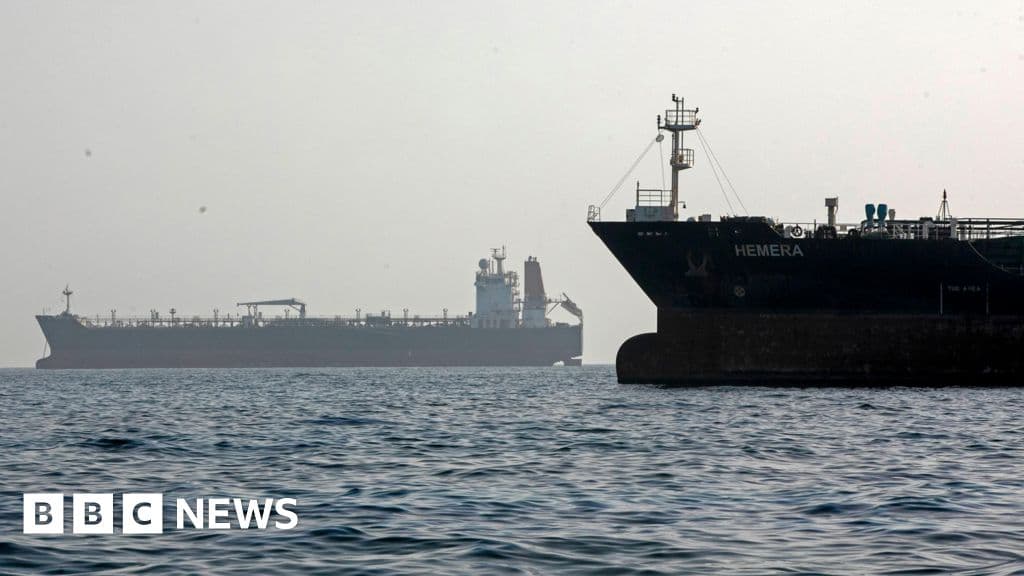
Tensions soar as the US and Iran engage in air strikes near the Strait of Hormuz, raising concerns over global oil supply and regional stability.
BBC World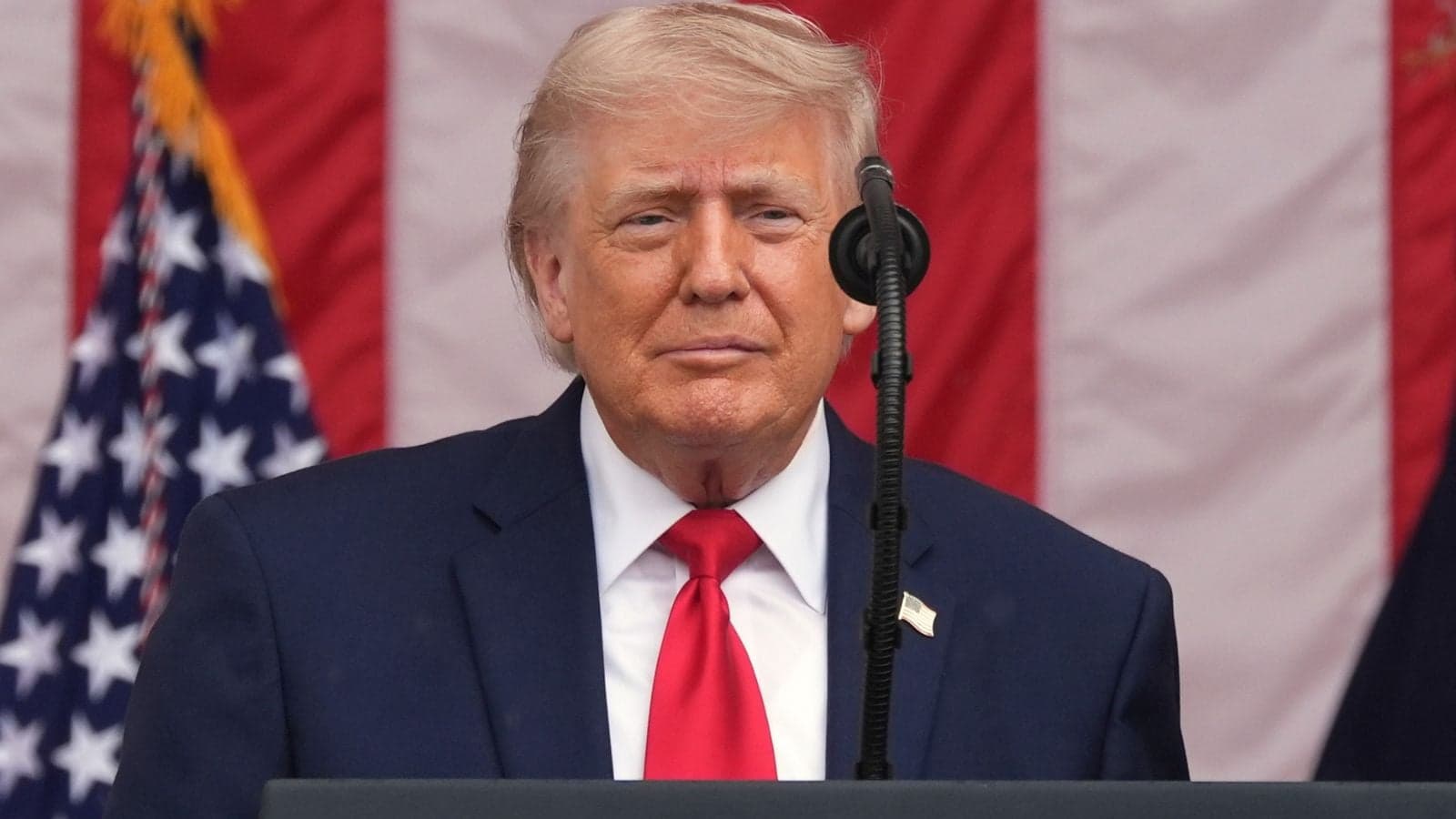
Trump's international interventions face serious stalemates. What will this mean for U.S. foreign policy? Explore the critical challenges ahead.
Indian Express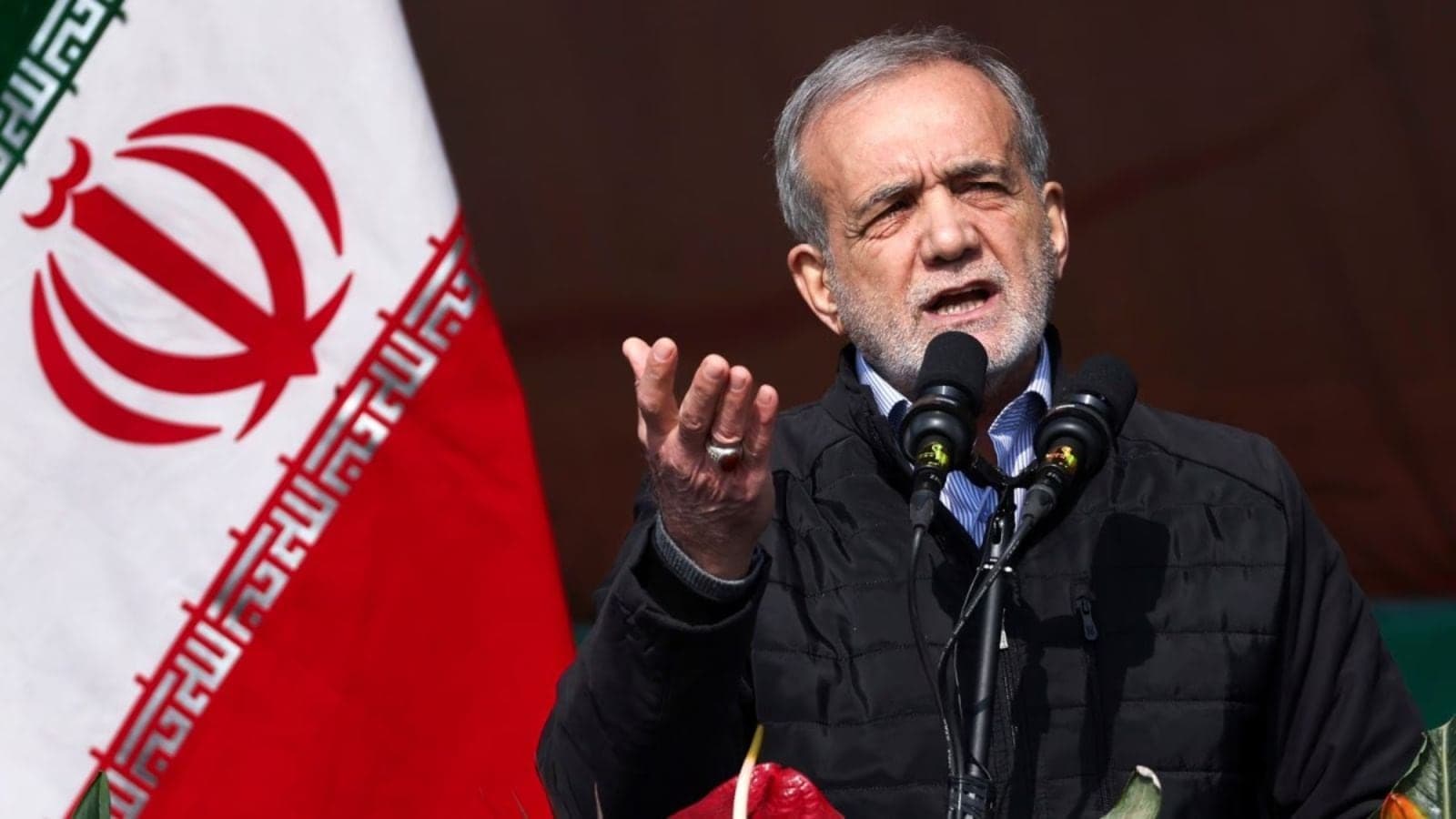
Tehran denies resignation of President Masoud Pezeshkian amid claims of IRGC influence. What does this mean for Iran's political stability? Click to learn more!
Indian Express