
Image: Indian Express
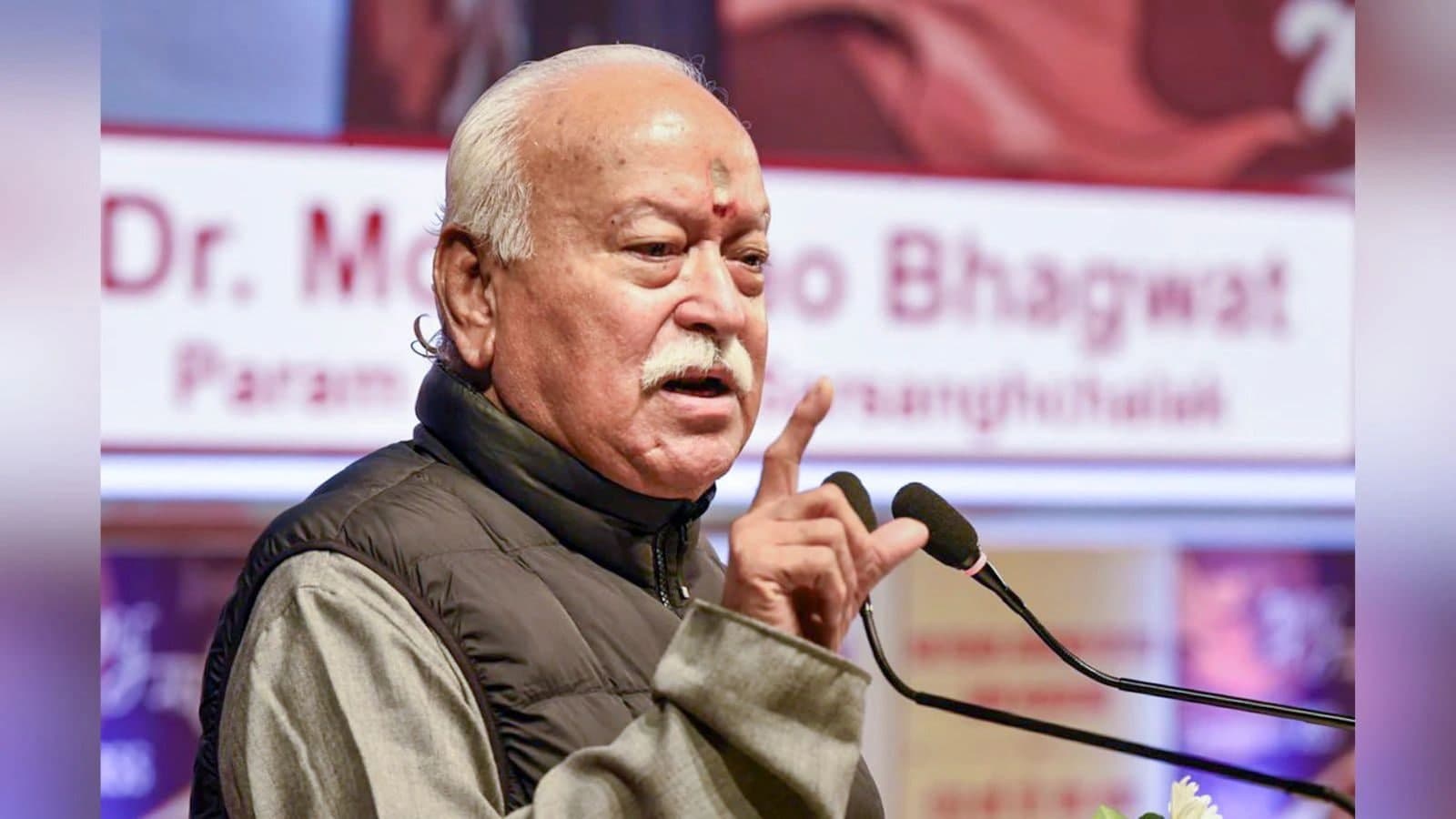
RSS Chief Mohan Bhagwat emphasizes the need to integrate tribal communities into India's development at a recent event, highlighting their cultural significance.
GlipzoIn a significant address on Saturday, Mohan Bhagwat, the chief of the Rashtriya Swayamsevak Sangh (RSS), emphasized the importance of integrating tribal communities into the broader development framework of India. Speaking at the Karmayogi Ekal Shikshak Mela, an event organized by the Laxmanrao Mankar Smriti Sanstha under the auspices of Union minister Nitin Gadkari, Bhagwat articulated that only a cohesive and resilient India can serve as a solid foundation for the world in times of global upheaval.
Bhagwat remarked that the tribal community has long been a custodian of India's rich cultural heritage and has contributed immensely to the nation’s ethos. He asserted that this spirit of community welfare is intrinsic to India’s identity, rooted in an ancient cultural lineage. “What we refer to as Hindu society has thrived here for eons under various names, embodying this essence throughout history,” he stated, highlighting the need to recognize and include tribal voices in national development efforts.
Throughout his speech, Bhagwat reflected on the historical challenges faced by tribal communities, which he attributed to both foreign invasions and internal ignorance. He pointed out that these challenges have often undermined the preservation of their innate values, which he believes are crucial to the survival and resilience of Indian society. According to Bhagwat, the historical efforts to suppress these communities were aimed at disrupting the continuity of India's enduring cultural identity.
He further elaborated that the commitment to uplifting marginalized groups is not merely an act of charity but a fundamental human duty. “Service is not a favor; it is our responsibility and a path to self-improvement,” he noted, emphasizing the transformative power of education and development initiatives tailored for tribal populations.
Bhagwat’s vision for the future includes a robust integration of tribal communities into the national mainstream. He pointed out that the identities of these communities are intrinsically linked to the identity of India itself. He urged that without recognizing and addressing the needs of these populations, the broader societal development would remain unattainable. “To truly develop, we must learn from them, for our cultural roots lie within the forests where they reside,” he explained.
Key points from Bhagwat’s address include: - Integration of Tribal Communities: Emphasizing the need to include tribal communities in development plans. - Cultural Identity: Highlighting the importance of tribal identity to the nation’s overall identity. - Historical Context: Acknowledging past struggles faced by these communities. - Commitment to Education: Advocating for educational initiatives to empower tribal populations.
In conjunction with Bhagwat’s message, Union minister Nitin Gadkari also spoke at the event, calling for a paradigm shift in the political landscape. He posited that politics should evolve beyond mere power struggles to focus on development and social service. Gadkari emphasized the necessity to increase the number of karmayogis—individuals dedicated to the upliftment of marginalized sections of society.
“Real change comes from people who are devoted to the development of the backward and exploited segments,” Gadkari asserted, aligning his vision with Bhagwat’s call for a more inclusive society. He encourages a new generation of leaders to step forward and champion these causes.
The call from RSS chief Mohan Bhagwat for the integration of tribal communities into the mainstream is not just about acknowledging their historical significance but also about recognizing their essential role in shaping a resilient India. As the nation grapples with various socio-economic challenges, leveraging the strengths and wisdom of tribal populations could provide innovative solutions and holistic development strategies.
Incorporating tribal voices into policy-making and development initiatives is vital for fostering a sense of belonging and ensuring that no community is left behind in the pursuit of progress. The emphasis on education, cultural identity, and community service represents a significant shift toward a more inclusive approach to governance and societal growth.
As the discourse surrounding tribal communities gains momentum, stakeholders across sectors must pay attention to the implications of these discussions. The integration of these communities into the national fabric could lead to: - Enhanced Cultural Understanding: Fostering a multi-faceted appreciation of India’s diversity. - Policy Innovations: Crafting policies that genuinely address the needs and aspirations of tribal populations. - Grassroots Development: Empowering local leaders to drive community-led initiatives.
The future of India's development trajectory may very well depend on how effectively the nation can embrace its tribal communities, ensuring that they are not mere spectators but active participants in shaping their destinies and contributing to the larger narrative of national growth. As we watch these developments unfold, the commitment to inclusivity and respect for tribal identities will be crucial in building a stronger, more unified India.
Stay updated with the latest - Click here to follow us on Instagram.

Tensions soar as the US and Iran engage in air strikes near the Strait of Hormuz, raising concerns over global oil supply and regional stability.
BBC World
Trump's international interventions face serious stalemates. What will this mean for U.S. foreign policy? Explore the critical challenges ahead.
Indian Express
Tehran denies resignation of President Masoud Pezeshkian amid claims of IRGC influence. What does this mean for Iran's political stability? Click to learn more!
Indian Express