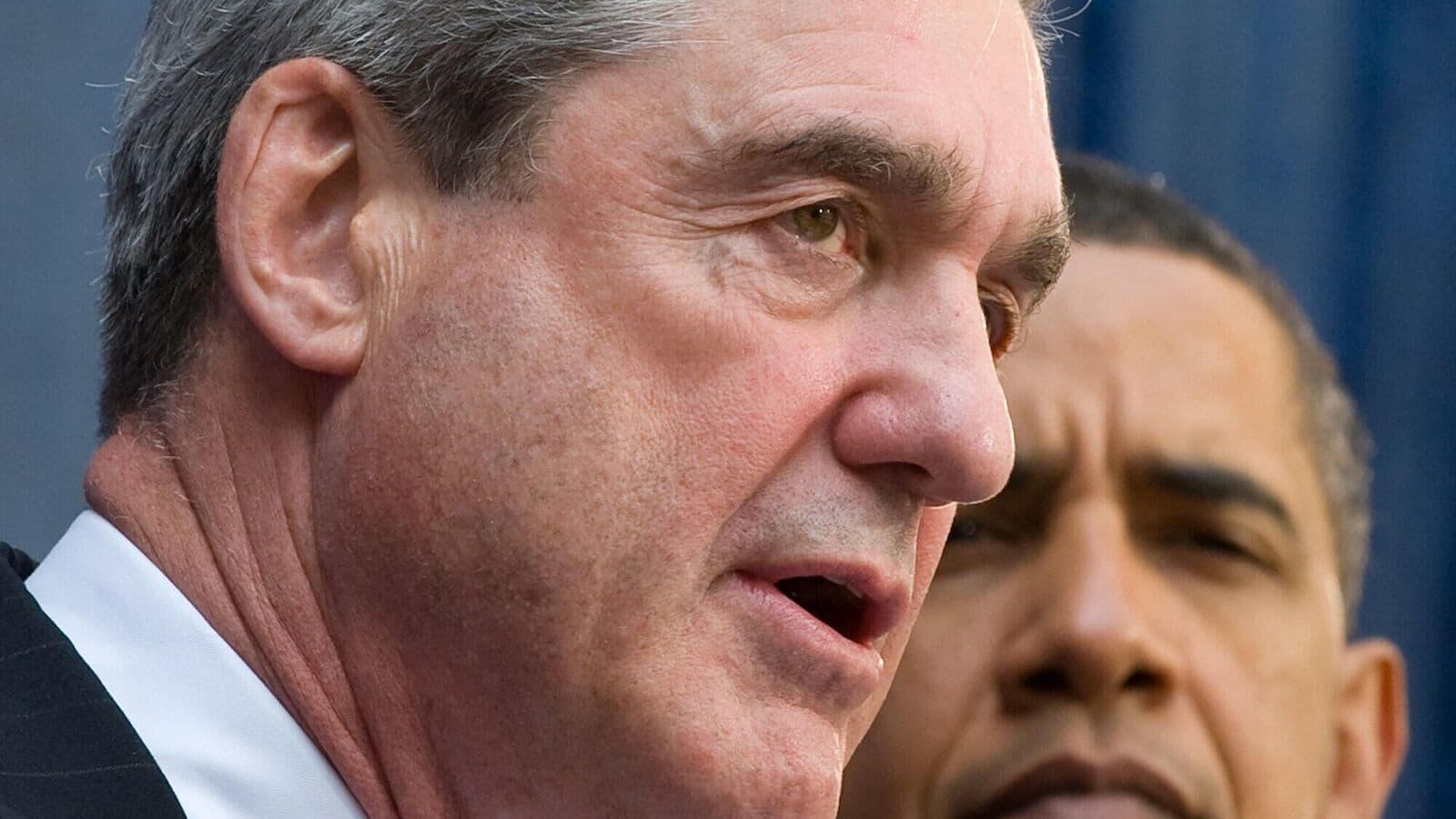
Robert Mueller, the former FBI chief who investigated Trump-Russia ties, has passed away at 81. His legacy shapes ongoing debates about election integrity.
A Distinguished Career
Before his tenure as special counsel, Mueller led the FBI during a pivotal time in American history—post-**September 11, 2001**. Under his leadership, the bureau underwent significant changes to address the growing threats faced by the nation. A **decorated Vietnam War veteran**, Mueller's commitment to public service was evident throughout his career.
In 2025, it was revealed by The New York Times that he had been diagnosed with Parkinson's disease. This diagnosis added a layer of poignancy to his later years as he continued to be a significant figure in American politics and law enforcement.
The Special Counsel Appointment
Mueller’s appointment as special counsel came in **2017**, following the controversial firing of then-FBI Director **James Comey** by Trump. This investigation was crucial in examining allegations of **Russian interference** in the 2016 election, which Mueller and a team of investigators meticulously detailed in a report published in **2019**.
The report outlined a coordinated campaign by the Russian government that involved not only hacking into the Democratic National Committee but also the dissemination of propaganda designed to undermine Hillary Clinton’s campaign and bolster Trump’s candidacy. Mueller’s findings were clear: while there was evidence of Russian interference, there was no legal basis to charge any members of the Trump campaign with criminal conspiracy.
Key Findings of the Investigation
Mueller's findings during his investigation included several pivotal conclusions:
- **Russian Government Interference**: The investigation concluded that there was a **sweeping and systematic** interference in the election process by the Russian government.
- **No Conspiracy Established**: Mueller emphasized that while there was interference, the investigation did not establish that the Trump campaign conspired with Russia to influence the election outcome.
- **Focus on Evidence**: Mueller clarified the distinction between 'collusion'—a non-legal term—and the legal standards necessary to charge individuals, noting that the evidence did not support criminal charges.
Mueller’s Impact and Public Response
Mueller’s work had a significant impact on American politics, sparking debates about campaign integrity, foreign influence, and the legal boundaries of political conduct. His testimony in Congress was particularly notable, emphasizing the serious nature of the findings while also clarifying the limitations of his investigation.
Following his passing, reactions varied widely. Among them, former President Trump took to Truth Social, stating, “Good, I’m glad he’s dead. He can no longer hurt innocent people!” This comment underscores the contentious atmosphere surrounding Mueller’s investigation and its implications for Trump and his associates.
Why It Matters
Robert Mueller’s legacy is one of complexity and significance. His career reflects a commitment to justice and a diligent pursuit of truth in an era fraught with political division and contention. The implications of his findings continue to resonate, especially as debates over election integrity and foreign meddling persist in contemporary politics.
Mueller’s investigation not only illuminated the vulnerabilities in the electoral process but also established a precedent for future inquiries into foreign interference. As America navigates ongoing political challenges, the lessons learned from Mueller’s tenure will remain relevant.
Looking Ahead
As the nation reflects on Robert Mueller’s contributions, it’s essential to consider the ongoing discourse about the integrity of elections and the role of foreign influence. In the wake of his passing, key questions arise:
- How will Mueller's findings influence future legislation regarding election security?
- What steps will be taken to address the vulnerabilities exposed during the 2016 election?
- How will the political landscape evolve in light of Mueller's investigations?
The legacy of Robert Mueller as a stalwart of American law enforcement will undoubtedly continue to shape discussions about democracy, accountability, and the rule of law in the years to come.