
Image: Indian Express
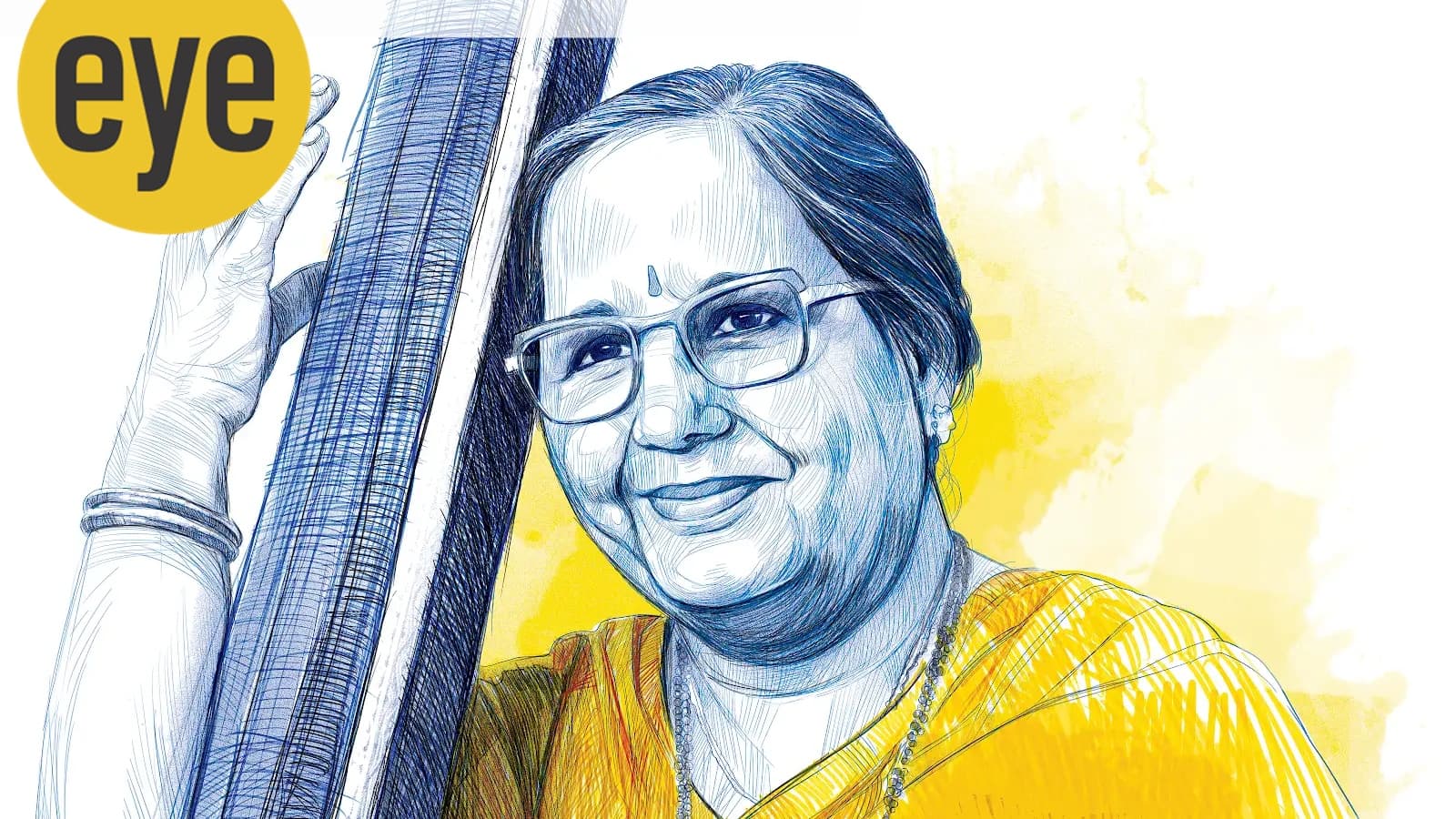
Explore the life and legacy of Hindustani vocalist Manik Varma, whose artistry remains underrated yet profoundly influential in classical music.
GlipzoJust a stone's throw from Shivaji Mandir, a renowned Marathi theatre in Dadar, Mumbai, lies the Shirish Makarand Society in Kasarvadi, a neighborhood rich in artistic heritage. This area, with its modest homes and vibrant history, served as the backdrop for the life of Manik Varma, a Hindustani classical vocalist whose voice resonated deeply within the Indian music scene for nearly five decades. Varma, who passed away in November 1996, would have celebrated her 100th birthday this month, bringing renewed attention to her remarkable yet underappreciated legacy.
Inside a two-bedroom apartment in this mid-rise complex, Bharati Achrekar, Varma's eldest daughter and a well-known actress, recalls the vibrant musical gatherings that once filled their home. “Pt Bhimsen Joshi, who was like a brother to her, frequently visited for meals and music,” Achrekar shares. The warmth of those memories lingers in the air, as she describes evenings spent with celebrated musicians such as Kumar Gandharva and Mallikarjun Mansur. “They were all enamored with my mother’s music,” she adds, highlighting the close-knit community of artists that surrounded Varma.
Manik Varma was a prominent figure in the Kirana gharana of Hindustani classical music, celebrated for her rich, melodic voice and humble spirit. Despite her extraordinary talent and extensive training, Varma remained relatively obscure to those outside the classical music realm. Unlike many of her contemporaries, she did not seek the limelight or pursue fame through concert tours and public appearances. Instead, she dedicated her life to the practice of her art, emphasizing emotional depth over public recognition.
Achrekar recalls how her mother would practice her music in the most unexpected places, often facing a wall in their cramped bathroom to hone her craft. “Riyaaz was sacred to her,” Achrekar explains, as she retrieves Varma’s old tanpura, a string instrument integral to Hindustani music. Achrekar herself has followed in her mother's footsteps, choosing to balance her acting career with her passion for music.
Dr. Vidyadhar Oke, a respected musicologist and harmonium player who collaborated with Varma, offers insight into her understated approach to fame. “She was content with her life and family. Varma was not one to seek applause; her focus was on perfecting her craft,” he notes. Oke emphasizes that Varma's warm personality and musical expertise will ensure her legacy endures, particularly in the realms of khayal, thumri, bhavgeet, and natyasangeet.
During the 1960s and 1970s, Varma's music began to permeate the cultural landscape of Maharashtra. Her bhaavgeet and devotional songs, such as “Sawalach rang ruza” and “Tuzya murali majhi,” gained immense popularity. Additionally, her renditions from the Geet Ramayana, a revered collection of bhajans composed by GD Masgulkar and set to music by Sudhir Phadke, left an indelible mark on the hearts of listeners. Many of the devotional pieces, particularly those sung for Sita, showcased Varma’s vocal prowess alongside the legendary Lata Mangeshkar.
The Geet Ramayana series, initially broadcast in March 1956, was so beloved that All-India Radio revived it due to popular demand. The significance of Varma’s contributions was recognized even by her contemporaries. On her 70th birthday, just months before her passing, the celebrated playback singer Asha Bhosle reminisced, “I was enamored by her voice in my youth. While my sister and I became playback singers, Manik balanced film music with classical art.” This sentiment echoes the deep respect Varma earned from those who shared the musical stage with her.
Despite her limited public presence, the impact of Manik Varma's artistry is profound. Her dedication to Hindustani classical music and her ability to blend traditional and contemporary styles have established her as a critical figure in the genre. Varma’s story is a reminder of the countless artists whose talents may go unnoticed yet continue to shape the cultural fabric of society.
The nuances of her voice, combined with her deep understanding of the emotional aspects of music, make her a unique talent in the world of Hindustani classical music. Varma's legacy serves as an inspiration for future generations of musicians, encouraging them to value the essence of music over fleeting fame.
As we celebrate what would have been Manik Varma's centenary, it is vital to keep her memory alive in the public consciousness. Her life and work should inspire not only musicians but also music lovers to explore the depths of Hindustani classical music. Upcoming events, tributes, and educational initiatives can help introduce her artistry to new audiences who might not be aware of her contributions.
In the age of digital accessibility, platforms for sharing classical music can facilitate a revival of interest in Varma's work. As more people become familiar with her rich discography and the stories of her life, we can ensure that Manik Varma's voice continues to resonate for generations to come.
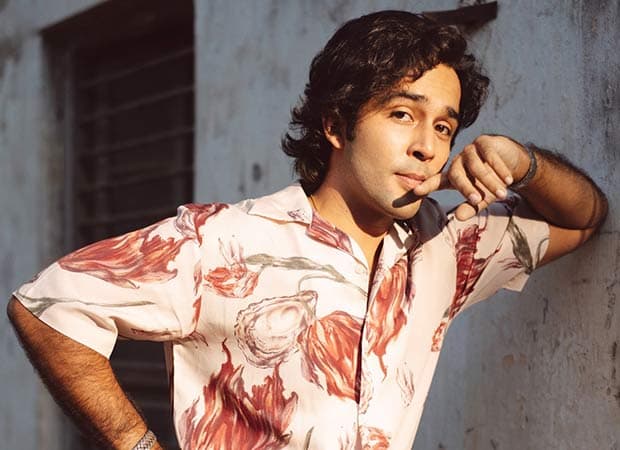
Zahan Kapoor reveals an unconventional role in his upcoming film, signaling a significant shift from his breakout success in Black Warrant. What’s next for this rising star?
Bollywood Hungama
Discover how Vishal Jethwa is transforming his physique for Shakti Shalini, emphasizing the mental discipline behind peak fitness.
Bollywood Hungama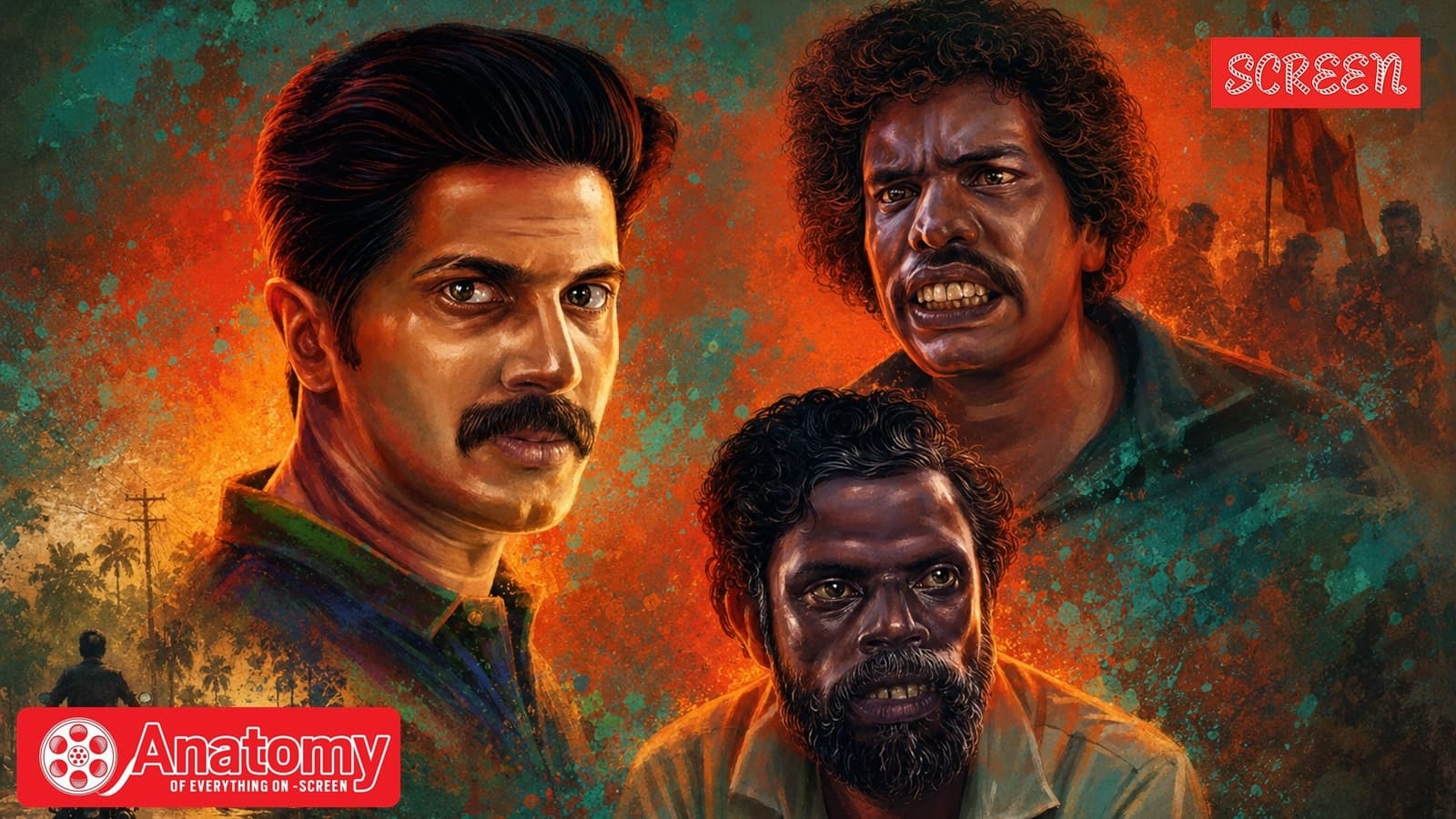
Discover the dark truths of urban development in Kammatipaadam, a film that reveals the often-overlooked sacrifices behind city growth.
Indian Express