
Image: Indian Express
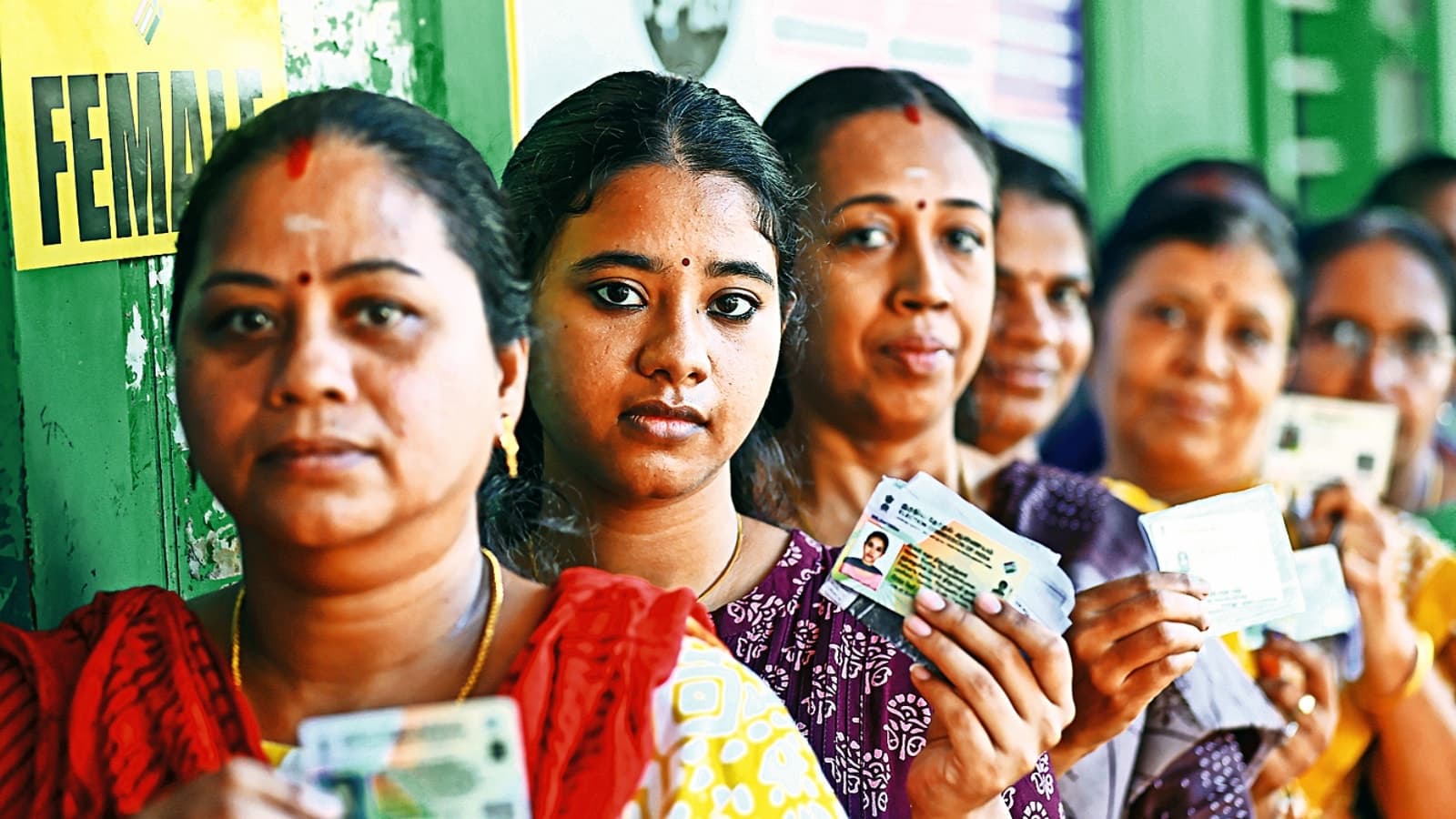
Discover how Tamil Nadu empowered women voters long before cash transfers became a trend, reshaping political engagement in the process.
GlipzoThe foundation of this understanding can be traced back to the Dravidian movement in the 1960s and 1970s, which not only focused on caste mobility and anti-Centre sentiment but also emphasized the everyday concerns of women. Issues such as rising food prices, access to schooling, and household dignity became central to women’s political engagement, even as the broader public sphere remained predominantly male.
The evolution of the program included several key milestones: - 1950s: K. Kamaraj revived the Madras-era meal scheme. - 1970s: M. Karunanidhi expanded the program. - 1980s: MGR implemented it statewide, adding eggs by 1989. - 2007-2010: The frequency of egg servings increased to three times a week, with additional items like bananas introduced. - 2021: The menu expanded to include rice, sambar, pulses, and special dishes for occasions.
These child welfare initiatives significantly benefited mothers, giving them peace of mind knowing their children were well-fed. Political analysts have noted that when welfare schemes address basic survival needs, they create lasting loyalty among women voters, who often handle household budgeting and resource allocation.
While critics labeled these initiatives as simple handouts, for millions of women in Tamil Nadu, they represented essential support systems that improved their quality of life. Economists like Amartya Sen and Jean Drèze argue that effective welfare cannot be measured solely in monetary terms. For many women, the time saved from reduced travel and cooking burdens translates into significant economic and social value.
What sets Tamil Nadu apart is not just the sheer number of welfare schemes but the evolution of these programs over time. Women here are recognized as voters whose support must be continually earned, creating a unique political dynamic.
The empowerment of women in Tamil Nadu goes hand in hand with their increasing visibility and influence in both political and economic spheres. Their votes are not merely a statistic but a driving force that shapes political strategies and electoral outcomes.
Looking ahead, the ongoing challenge will be ensuring that these initiatives adapt to the evolving needs of women while maintaining the vital political engagement they have fostered. The focus on women as crucial political actors, combined with robust welfare support, can lead to sustained political loyalty and social change in the state and beyond.

Tensions soar as the US and Iran engage in air strikes near the Strait of Hormuz, raising concerns over global oil supply and regional stability.
BBC World
Trump's international interventions face serious stalemates. What will this mean for U.S. foreign policy? Explore the critical challenges ahead.
Indian Express
Tehran denies resignation of President Masoud Pezeshkian amid claims of IRGC influence. What does this mean for Iran's political stability? Click to learn more!
Indian Express