

Image: The Guardian World
Uncover the shocking truth of how British companies profited from Brazilian slavery long after abolition. Learn about the hidden connections in history.
GlipzoIn a stark reminder of the enduring legacies of colonialism, British companies continued to exploit slavery in Brazil even after the abolition of the practice in the UK. Historian Joseph Mulhern sheds light on this troubling history in his groundbreaking book, British Entanglement with Brazilian Slavery – Commerce, Credit and Complicity in Another Empire, c. 1822–1888. The research reveals how, as late as 1845, British entities navigated around legal restrictions to profit from the enslavement of people in Brazil, challenging the narrative of moral superiority often associated with Britain's abolitionist stance.
In that pivotal year, a British mining company named St John d’El Rey was involved in a harrowing case where 385 enslaved individuals were “rented” under a loophole in the law, highlighting the complexities of the Slave Trade Act of 1843. Though the act prohibited outright ownership and sale of enslaved people, it allowed for their rental, blurring the lines of legality and morality. Even as global movements against slavery gained momentum, the UK’s complicity persisted, revealing a dark side to its proclaimed humanitarian efforts.
Despite the UK’s efforts to end the transatlantic slave trade, Brazil’s 1843 Slave Trade Act became known as a law “for the English to see,” as it was largely ignored. The British merchants who operated in Brazil played a crucial role in perpetuating the illegal trafficking of enslaved Africans, essentially undermining the very laws that were meant to protect human rights. As Mulhern notes, British officials were aware of the connections between their commercial interests and the ongoing slave trade, yet turned a blind eye.
Mulhern’s work elucidates how British financial institutions also had a hand in this grim reality. Banks treated enslaved individuals as collateral assets, financing loans and mortgages that directly tied them to the enslavement of countless lives. When debts went unpaid, these banks would auction off enslaved individuals, tearing families apart in the process, as evidenced by the tragic story of Caetana, a mother separated from her child during one such auction in 1878.
The 1848-1849 census commissioned by the British Foreign Office provided a chilling snapshot of British involvement in Brazilian slavery. Despite underreporting, it identified 3,445 enslaved individuals owned by British interests, with a significant number belonging to mining companies. Notably, St John d’El Rey continued operations until 1985, illustrating the long-lasting impact of these exploitative practices.
Mulhern’s findings reveal that the UK’s involvement in slavery was not merely a historical footnote but a persistent reality that shaped economic and social structures in Brazil. This complex relationship between the two nations is often overlooked in contemporary discussions about slavery, leading to a skewed understanding of Britain's role in the abolition narrative.
The implications of this history are profound, especially as societies grapple with their colonial pasts. Understanding the economic benefits derived from slavery is crucial in addressing modern inequalities that persist today. As Mulhern suggests, the narrative surrounding British abolitionism often skims over the darker elements of this history, creating a misleading sense of moral triumph that fails to acknowledge ongoing legacies of exploitation.
As conversations around colonial legacies and reparative justice gain momentum globally, the revelations in Mulhern’s research call for a reevaluation of historical narratives. The complexities of colonialism and its aftermath necessitate a more nuanced understanding that includes the economic entanglements that fueled slavery long after legal abolition.
In conclusion, the intricate connections between British commerce and Brazilian slavery serve as a powerful reminder of the complexities inherent in global history. As we move forward, it is essential to confront these uncomfortable truths, ensuring that the lessons of the past inform a more equitable future.
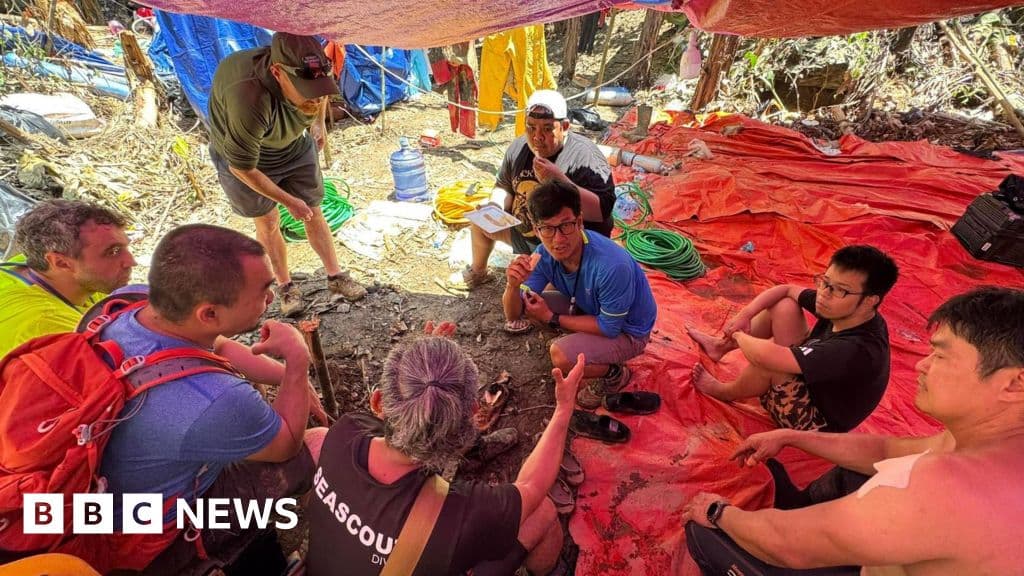
Survivors of the Laos cave rescue are aiding efforts to find the last two missing men trapped inside, sharing crucial insights for the search operation.
BBC World
A year after the tragic Air India crash, the Ali family reflects on grief, unanswered questions, and the enduring bonds of love in the face of loss.
BBC Business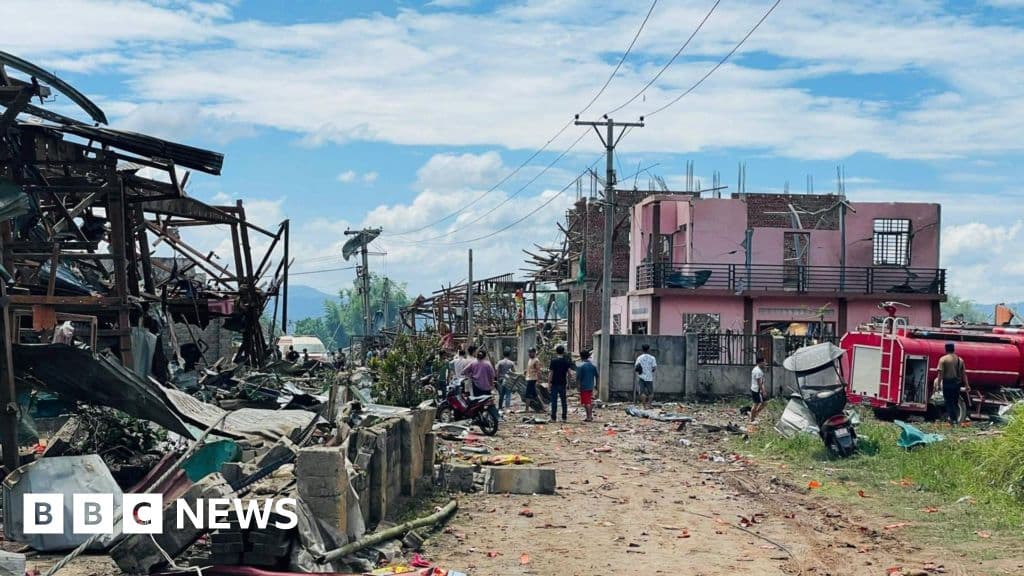
A devastating explosion in Myanmar's Kaung Tat village has killed at least 55 people, raising serious safety concerns and questions about civilian protection in conflict zones.
BBC World