
Glipzo
WorldTechnologyBusinessSportsEntertainmentScienceHealthPolitics
Glipzo
WorldTechnologyBusinessSportsEntertainmentScienceHealthPolitics
  1. Home
  2. /
  3. Entertainment
  4. /
  5. Revealed: 8 Iconic Writers’ Heartfelt Letters to Their Mothers
Revealed: 8 Iconic Writers’ Heartfelt Letters to Their Mothers

Image: Indian Express

Entertainment
Sunday, May 10, 20265 min read

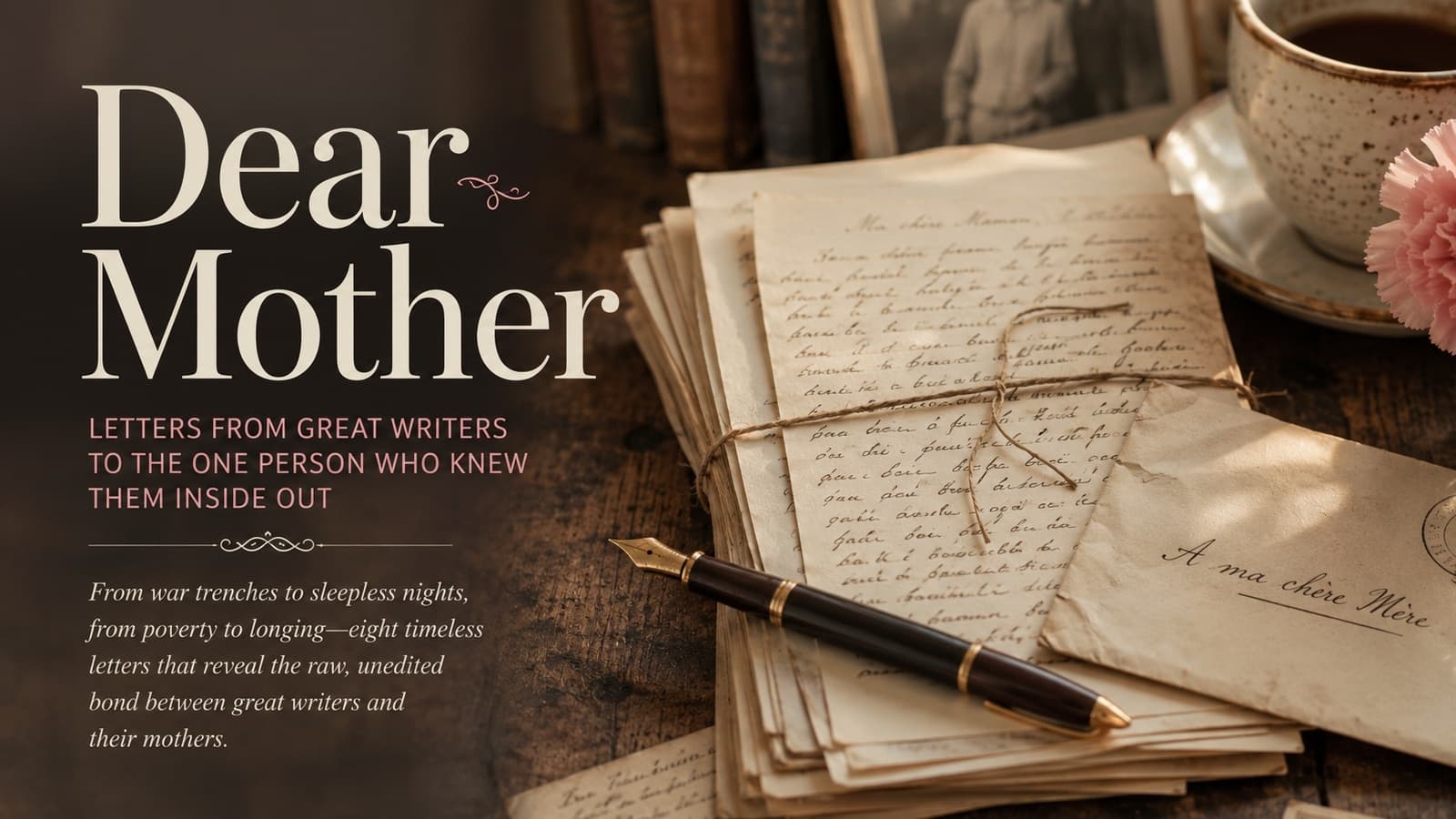
Revealed: 8 Iconic Writers’ Heartfelt Letters to Their Mothers

Discover heartfelt letters from 8 iconic writers to their mothers, revealing deep emotions and timeless themes of love, loss, and identity.

Glipzo News Desk|Source: Indian Express
Share
Glipzo

Key Highlights

  • Walt Whitman's war letters reveal deep emotional truths.
  • Gustave Flaubert battles societal norms in a letter to his mother.
  • James Joyce shares his struggles with poverty in Paris.
  • These letters showcase the enduring power of maternal bonds.

In this article

  • The Lost Art of Letter Writing In an era dominated by quick texts and social media posts, the nostalgic charm of handwritten letters has faded into obscurity. Yet, some of history's most renowned authors excelled in this intimate form of communication. Their correspondence, especially those heartfelt letters to their mothers, reveal a raw and unfiltered side of their lives. These letters are more than mere words on paper; they serve as poignant snapshots of personal struggles, fears, and the unbreakable bonds between mother and child.
  • Walt Whitman's Gripping Farewell During the **American Civil War** in 1863, poet **Walt Whitman** found himself in the trenches, tending to the wounded. The harrowing experiences he faced left him shaken, prompting him to write to his mother. In a letter filled with sorrow, he recounted a deeply troubling event: "Mother, I am shocked to tell you that he never came alive off the amputating table—he died under the operation."
  • Gustave Flaubert's Battle Against Convention In **1850**, **Gustave Flaubert** found himself on the receiving end of his mother's expectations regarding marriage. After hearing news of a friend’s wedding, she subtly suggested he consider settling down. Flaubert’s response, a lengthy tirade, spanned two pages, articulating his rejection of societal norms. "For me, marriage would be an apostasy: the very thought terrifies me," he confessed, emphasizing his belief that an artist should remain free from domestic constraints.
  • James Joyce's Struggles in Paris In **1903**, **James Joyce**, then a struggling 21-year-old in Paris, penned one of his final letters to his mother, detailing his meager existence. He humorously lamented, "I have had one handkerchief for three weeks—but I have a grey tie which is something under a mile in length."
  • The Power of Maternal Bonds The letters from these writers not only highlight their literary prowess but also reveal a profound connection with their mothers. Each letter reflects the unique relationship between the authors and their mothers, illustrating how these bonds shaped their identities and influenced their creativity. The vulnerability expressed in these correspondences resonates with readers, reminding us of the emotional weight carried in familial relationships.
  • Why These Letters Matter The letters of famous writers to their mothers serve as a reminder of the enduring power of written communication. In a fast-paced world where sentiments are often expressed in emojis or short text messages, these heartfelt correspondences urge us to reflect on the beauty and depth of traditional letter writing. They encapsulate timeless themes of love, loss, and the search for identity—elements that remain relevant across generations.
  • What Lies Ahead for Letter Writing? As we move forward in an increasingly digital age, the question remains: what will become of letter writing? Will it fade into obscurity, or can it experience a renaissance as people seek deeper connections? As we reflect on the rich history of handwritten correspondence, we might find ourselves inspired to revive this art form, honoring the legacy of writers like Whitman, Flaubert, and Joyce.

The Lost Art of Letter Writing In an era dominated by quick texts and social media posts, the nostalgic charm of handwritten letters has faded into obscurity. Yet, some of history's most renowned authors excelled in this intimate form of communication. Their correspondence, especially those heartfelt letters to their mothers, reveal a raw and unfiltered side of their lives. These letters are more than mere words on paper; they serve as poignant snapshots of personal struggles, fears, and the unbreakable bonds between mother and child.

Today, we delve into the emotional letters penned by eight iconic writers who shared their innermost thoughts with the one person who understood them best—their mothers. From moments of despair to reflections on life and love, these correspondences provide insight not only into their lives but also into the universal themes of motherhood and familial love.

Walt Whitman's Gripping Farewell During the **American Civil War** in 1863, poet **Walt Whitman** found himself in the trenches, tending to the wounded. The harrowing experiences he faced left him shaken, prompting him to write to his mother. In a letter filled with sorrow, he recounted a deeply troubling event: "Mother, I am shocked to tell you that he never came alive off the amputating table—he died under the operation."

This stark reality of war stripped away the superficial concerns of daily life. Whitman reflected on the absurdity of worldly worries in the face of such profound suffering: "To see such things & not be able to help them is awful–I feel almost ashamed of being so well & whole." His words convey a powerful message about the fragility of life and the weight of responsibility that comes with witnessing human suffering.

Gustave Flaubert's Battle Against Convention In **1850**, **Gustave Flaubert** found himself on the receiving end of his mother's expectations regarding marriage. After hearing news of a friend’s wedding, she subtly suggested he consider settling down. Flaubert’s response, a lengthy tirade, spanned two pages, articulating his rejection of societal norms. "For me, marriage would be an apostasy: the very thought terrifies me," he confessed, emphasizing his belief that an artist should remain free from domestic constraints.

Despite his defiance of convention, Flaubert's letter took an affectionate turn as he acknowledged his deep love for his mother, stating, "I know very well that I shall never love another woman as I do you. You will have no rival, never fear!" This blend of rebellion and devotion illustrates the complexity of familial love and personal identity.

James Joyce's Struggles in Paris In **1903**, **James Joyce**, then a struggling 21-year-old in Paris, penned one of his final letters to his mother, detailing his meager existence. He humorously lamented, "I have had one handkerchief for three weeks—but I have a grey tie which is something under a mile in length."

His inventory of belongings painted a vivid picture of poverty: falling trouser buttons, a single boot on the verge of collapse, and days where he could only afford one meal. Joyce’s candidness about his situation culminated in a striking line: "I can assure you, I have a most villainous hunger." Despite his struggles, Joyce managed to find moments of joy, like the thrill of anticipating a proper meal after days of deprivation.

The Power of Maternal Bonds The letters from these writers not only highlight their literary prowess but also reveal a profound connection with their mothers. Each letter reflects the unique relationship between the authors and their mothers, illustrating how these bonds shaped their identities and influenced their creativity. The vulnerability expressed in these correspondences resonates with readers, reminding us of the emotional weight carried in familial relationships.

Why These Letters Matter The letters of famous writers to their mothers serve as a reminder of the enduring power of written communication. In a fast-paced world where sentiments are often expressed in emojis or short text messages, these heartfelt correspondences urge us to reflect on the beauty and depth of traditional letter writing. They encapsulate timeless themes of love, loss, and the search for identity—elements that remain relevant across generations.

By exploring these poignant letters, we gain insight into the minds of some of literature's greatest figures, understanding not only their artistic journeys but also the personal struggles that fueled their creativity.

What Lies Ahead for Letter Writing? As we move forward in an increasingly digital age, the question remains: what will become of letter writing? Will it fade into obscurity, or can it experience a renaissance as people seek deeper connections? As we reflect on the rich history of handwritten correspondence, we might find ourselves inspired to revive this art form, honoring the legacy of writers like Whitman, Flaubert, and Joyce.

In a world where communication often feels impersonal, the heartfelt letters of these literary giants remind us that the written word can still forge powerful connections. Perhaps it’s time to pick up a pen and write a letter to someone we love, continuing the tradition of heartfelt correspondence.

Did you find this article useful? Share it!

Share

Related Articles

Zahan Kapoor Reveals Unconventional Role in Next Film
Entertainment
Jun 1, 2026

Zahan Kapoor Reveals Unconventional Role in Next Film

Zahan Kapoor reveals an unconventional role in his upcoming film, signaling a significant shift from his breakout success in Black Warrant. What’s next for this rising star?

Bollywood Hungama

Vishal Jethwa’s Intense Transformation for Shakti Shalini
Entertainment
Jun 1, 2026

Vishal Jethwa’s Intense Transformation for Shakti Shalini

Discover how Vishal Jethwa is transforming his physique for Shakti Shalini, emphasizing the mental discipline behind peak fitness.

Bollywood Hungama
Kammatipaadam Exposes the Dark Truth Behind Urban Growth
Entertainment
Jun 1, 2026

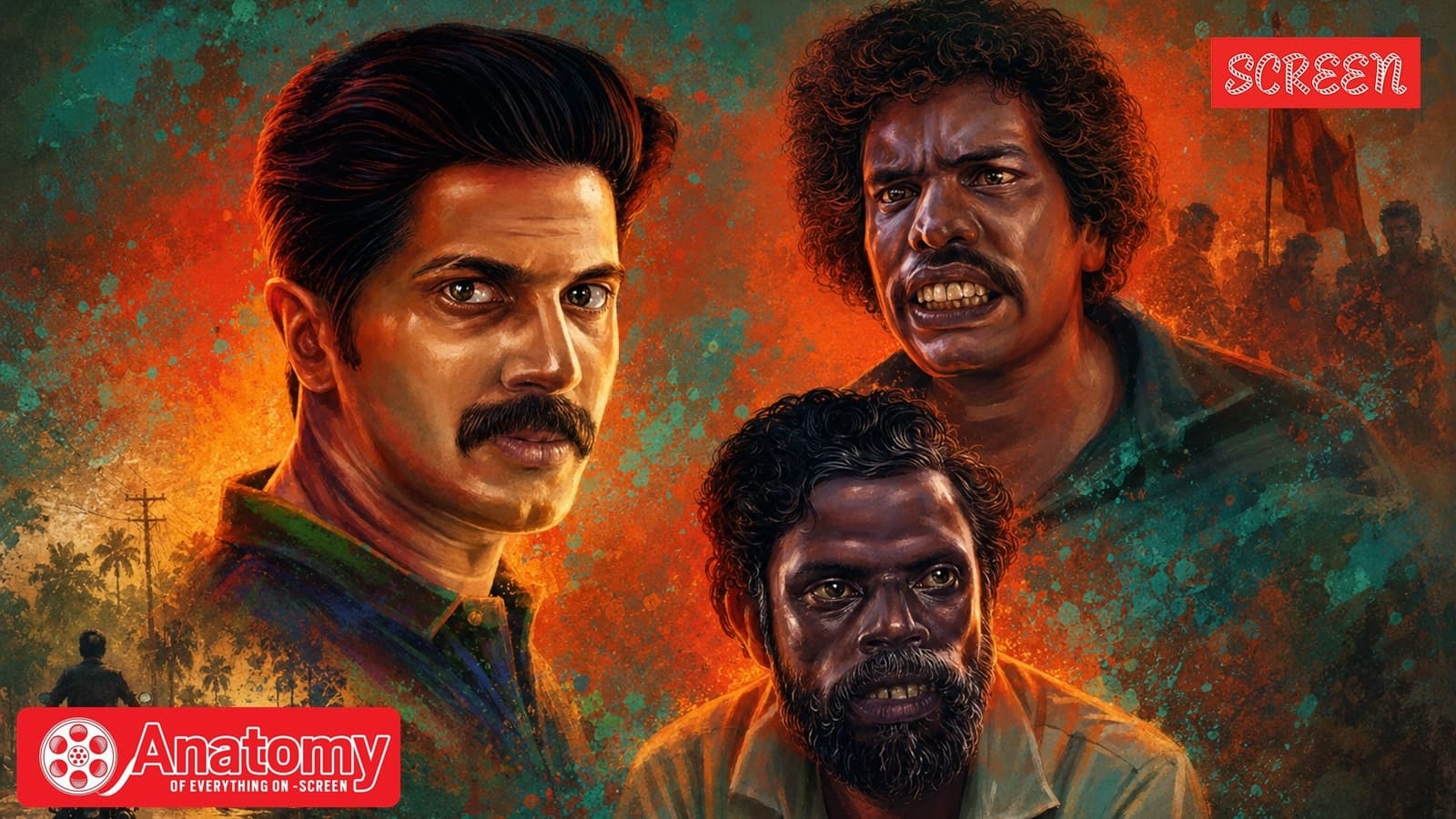
Kammatipaadam Exposes the Dark Truth Behind Urban Growth

Discover the dark truths of urban development in Kammatipaadam, a film that reveals the often-overlooked sacrifices behind city growth.

Indian Express

Categories

  • World
  • Technology
  • Business
  • Sports

More

  • Entertainment
  • Science
  • Health
  • Politics

Explore

  • Web Stories
  • About Us
  • Contact

Legal

  • Privacy Policy
  • Terms of Service
  • Disclaimer

© 2026 Glipzo. All rights reserved.