

Image: TechCrunch
Rana el Kaliouby warns AI's male dominance risks widening the wealth gap for women. Learn how this affects tech's future and economic opportunity.
GlipzoAt the forefront of a crucial conversation on diversity in technology, Rana el Kaliouby, a prominent AI scientist and entrepreneur, voiced her concerns regarding the male-dominated nature of the artificial intelligence sector. Speaking at the SXSW conference in Austin, Texas, on Sunday, el Kaliouby articulated her fears that the current landscape could exacerbate economic inequalities for women in tech. She stated, "I think AI today is a boys’ club. I think diversity is not a very popular conversation topic these days, but I think it’s so important because AI is creating incredible economic opportunity."
El Kaliouby’s remarks came in response to an interviewer who highlighted a series of headlines from TechCrunch that showcased AI startups predominantly led by male founders. This discussion is timely, as the tech industry grapples with the implications of its diversity—or lack thereof—on economic outcomes for women.
El Kaliouby, who successfully sold her emotion-detection software company Affectiva in 2021, is now a co-founder and general partner at Blue Tulip Ventures. Her firm has made notable strides in addressing gender disparities in startup leadership. According to her, three out of four investments made by her firm are directed towards startups with women CEOs. She emphasized, "I don’t ‘just’ invest in women. But I really try to seek these women founders and support them, if not by a check, but in other ways, because they’re not getting the opportunity that they should and they need."
This commitment to supporting women-led startups is essential, as el Kaliouby pointed out that the absence of women in leadership roles not only affects funding but also the broader ecosystem of innovation in AI. She warns, "If women are left out — because they’re not founding these companies, because they’re not getting the funding, because they’re not even investing in the funds that are investing in these companies — we’re going to look back five years from now or a decade from now, and…we’re going to have widened the economic gap like crazy."
El Kaliouby’s concerns do not exist in a vacuum; they are deeply intertwined with broader socio-political shifts affecting diversity initiatives. She referenced the Trump administration’s rollback of Diversity, Equity, and Inclusion (DEI) programs, emphasizing how these changes have rippled through the tech sector. Such policy shifts can alter hiring practices and influence the development of technology products, potentially leading to a lack of representation in AI.
The implications of this lack of diversity are profound. AI technologies, which are increasingly embedded in daily life, risk becoming biased if developed without a diverse range of perspectives. As el Kaliouby noted, companies may feel compelled to align their products with the political priorities of the current administration, further sidelining marginalized voices.
For el Kaliouby, the issue of diversity transcends economic opportunity; it fundamentally affects the ethical outcomes of AI technologies. She believes that we are at a pivotal moment, stating, "I do think we are living in a very exciting time. But I also feel strongly that if we don’t intervene, like, if we don’t really stand up for what we care about like ethics and diversity of thought and perspective, and prioritizing this idea of centering around the humans…the outcome may not be great."
This call to action highlights the urgency of advocating for ethical practices and diverse representation in AI development. As technologies evolve, the need for inclusive dialogue and leadership becomes increasingly critical.
The conversation around diversity in AI is not simply an academic discussion; it has real-world implications that could shape the economy and society at large. The potential widening of the wealth gap due to a lack of representation in tech could lead to missed opportunities for innovation and economic growth. As industries increasingly rely on AI, the need for diverse voices becomes essential to ensure that technology serves all segments of society fairly.
As we move forward, the tech community must prioritize diversity not just as a buzzword but as a foundational element of innovation. Key areas to watch include: - Investment Trends: How venture capital firms adjust their funding strategies to include more women-led startups. - Policy Changes: The impact of future administrations on DEI initiatives and their effect on tech hiring practices. - Public Awareness: Increased advocacy for ethical AI practices that prioritize diverse perspectives in product development.
In summary, Rana el Kaliouby’s insights serve as a critical reminder of the need for inclusivity in the rapidly evolving AI landscape. The future of technology—and its ability to benefit society as a whole—depends on our commitment to diversity and ethical practices in this pivotal field.
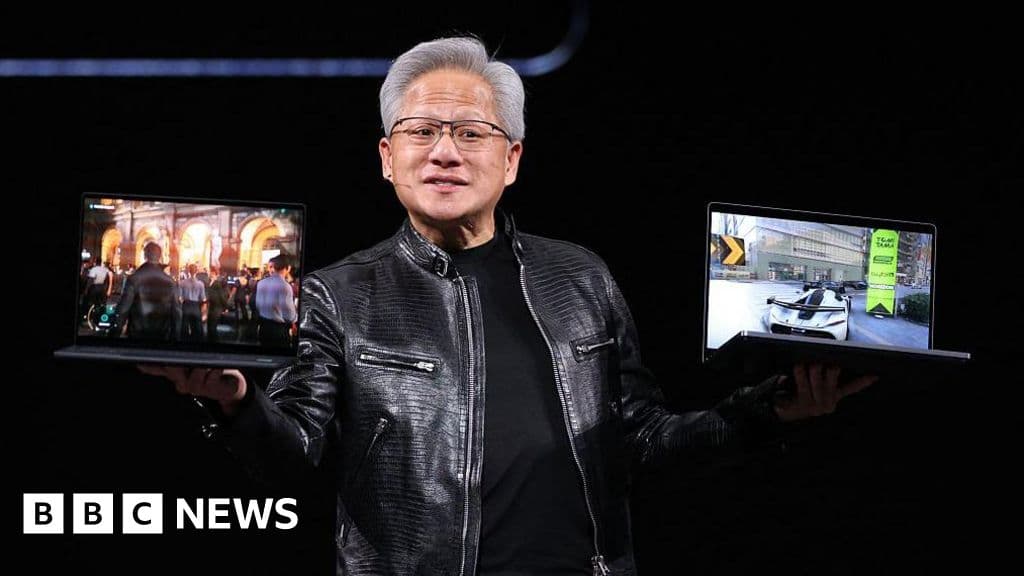
Nvidia's new RTX Spark chip aims to transform personal computing with AI, marking a significant shift in technology. Discover what this means for consumers.
BBC Business
The explosion of Blue Origin's New Glenn rocket raises significant concerns over NASA's lunar ambitions and the future of Amazon's satellite projects. Discover the implications.
BBC Science
Discover how Meta's lack of engagement on user bans raises critical concerns about accountability and transparency in social media governance.
BBC Technology