
Image: Indian Express
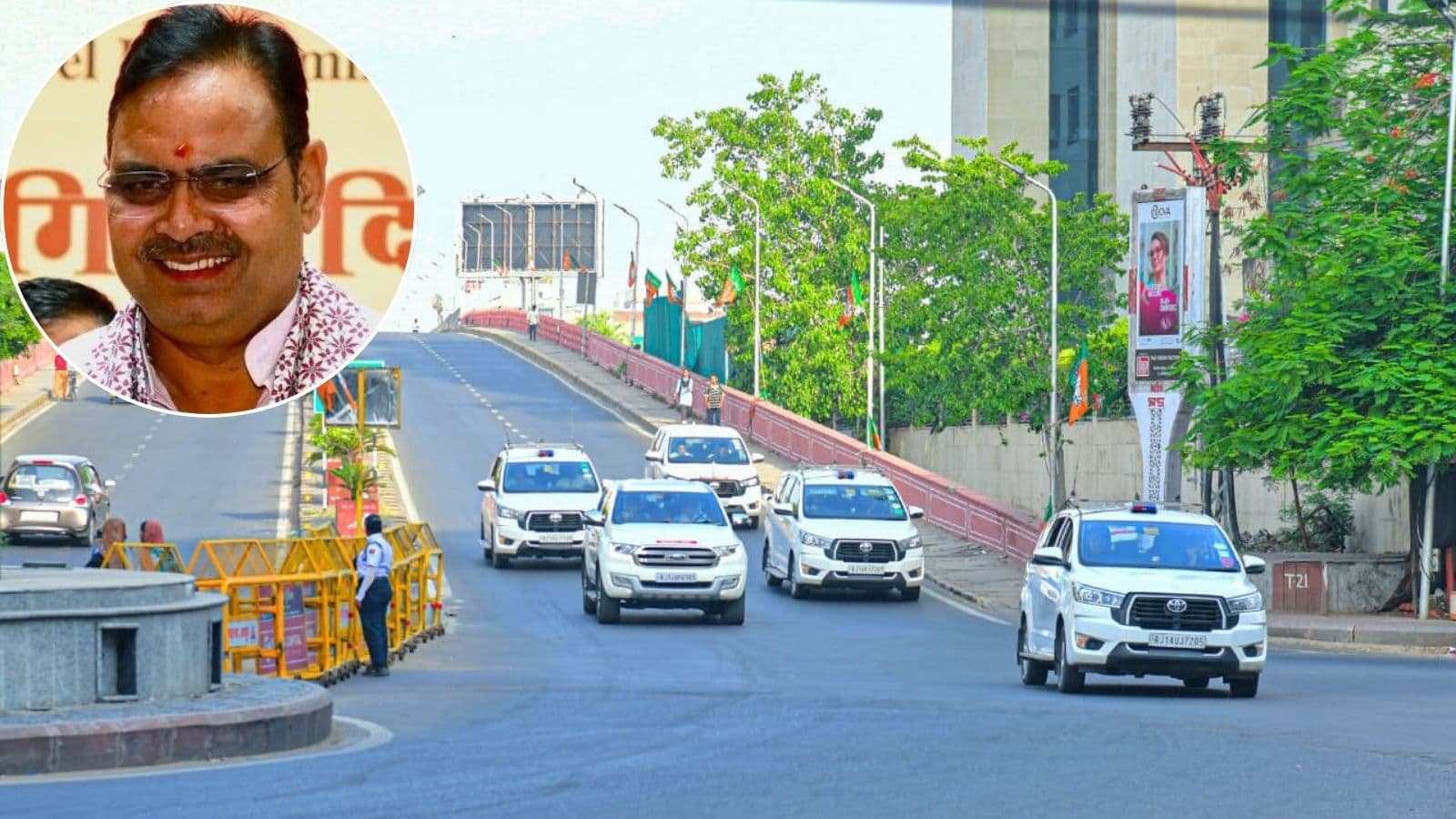
Rajasthan CM Bhajan Lal Sharma reduces his convoy size, responding to PM Modi's appeal for fuel conservation amid global crises. Learn more about the initiative.
GlipzoIn a decisive move that echoes Prime Minister Narendra Modi's recent appeal, Rajasthan Chief Minister Bhajan Lal Sharma announced on Tuesday that he is significantly reducing the number of vehicles in his official convoy. This decision comes just two days after PM Modi urged citizens to conserve petroleum products and help bolster the nation’s foreign exchange reserves amid ongoing global challenges, particularly the recent conflict in West Asia.
During a public address in Hyderabad on Sunday, PM Modi encouraged the populace to limit their fuel consumption through various means. He advocated for increased use of public transportation, electric vehicles (EVs), and a return to Covid-era practices such as remote working and virtual meetings. Additionally, the Prime Minister advised against non-essential foreign travel and gold purchases for at least a year, urging citizens to prioritize local goods and services.
In light of these national directives, CM Sharma's office confirmed that he instructed officials to minimize the number of vehicles accompanying him. Previously, the Chief Minister was seen traveling with five vehicles in his convoy. Now, he aims to set an example by limiting this number further, emphasizing the need for public representatives to adopt similar measures.
This initiative is not solely confined to the Chief Minister. Sharma has extended the directive to bureaucrats, including the Chief Secretary, encouraging them to use as few vehicles as possible in their official duties. This step is part of a broader effort to reduce fuel consumption in the state, showcasing a commitment to national interests during a time of crisis.
While addressing the public in Hyderabad, PM Modi highlighted various strategies to decrease reliance on petrol and diesel. He strongly recommended: - Utilizing Metro services wherever available. - Carpooling to reduce the number of vehicles on the road. - Opting for railways for transporting goods, thus minimizing fuel use.
The Prime Minister underscored that these actions are vital for national self-reliance, especially in the face of international disruptions. He stated, “In times of global crises, we must prioritize the country above all else,” reinforcing the idea that collective participation can lead to significant change.
During his address, PM Modi also touched upon the necessity of conserving foreign exchange, particularly in light of rising expenses associated with international travel and luxury purchases. He noted the growing trend among the middle class of traveling abroad for weddings and vacations, urging citizens to reconsider such plans for at least a year. “We must put our country’s needs first,” he insisted, advocating for a shift in spending habits.
Moreover, the Prime Minister called for a halt on gold purchases during festivals, urging people to redirect their focus to domestic goods and services. He referenced how the pandemic had altered work habits, suggesting that the society had become accustomed to virtual interactions, which can be beneficial in the current climate.
The actions taken by CM Sharma and the support from PM Modi exemplify a growing awareness of the economic and environmental impacts of fuel consumption. With the world facing significant geopolitical tensions, the call for reduced petroleum dependency is more relevant than ever.
As the conflict in West Asia continues to affect global oil supplies, initiatives like these could play a crucial role in stabilizing the economy. By promoting public transport and electric vehicles, leaders are not just addressing immediate concerns but are also paving the way for a more sustainable future.
Looking ahead, it will be interesting to monitor how these measures are received by the public and whether they lead to a significant behavioral shift in fuel consumption patterns. Furthermore, the effectiveness of the government's campaign to encourage public transport usage and the adoption of EVs will be crucial in determining the long-term impact of these initiatives.
In addition, attention should be paid to how other states respond to PM Modi's appeal and whether similar measures are adopted across India. As citizens navigate the complexities brought on by global crises, the focus on sustainability and conservation may redefine transportation habits and economic practices in the coming years.
In conclusion, as Rajasthan’s Chief Minister Bhajan Lal Sharma leads by example, the collective responsibility of citizens will be paramount in overcoming current challenges and fostering a self-reliant nation.

Tensions soar as the US and Iran engage in air strikes near the Strait of Hormuz, raising concerns over global oil supply and regional stability.
BBC World
Trump's international interventions face serious stalemates. What will this mean for U.S. foreign policy? Explore the critical challenges ahead.
Indian Express
Tehran denies resignation of President Masoud Pezeshkian amid claims of IRGC influence. What does this mean for Iran's political stability? Click to learn more!
Indian Express