
Glipzo
WorldTechnologyBusinessSportsEntertainmentScienceHealthPolitics
Glipzo
WorldTechnologyBusinessSportsEntertainmentScienceHealthPolitics
  1. Home
  2. /
  3. Politics
  4. /
  5. Punjab's Controversial Drug Census: Political Survey or Reality Check?
Punjab's Controversial Drug Census: Political Survey or Reality Check?

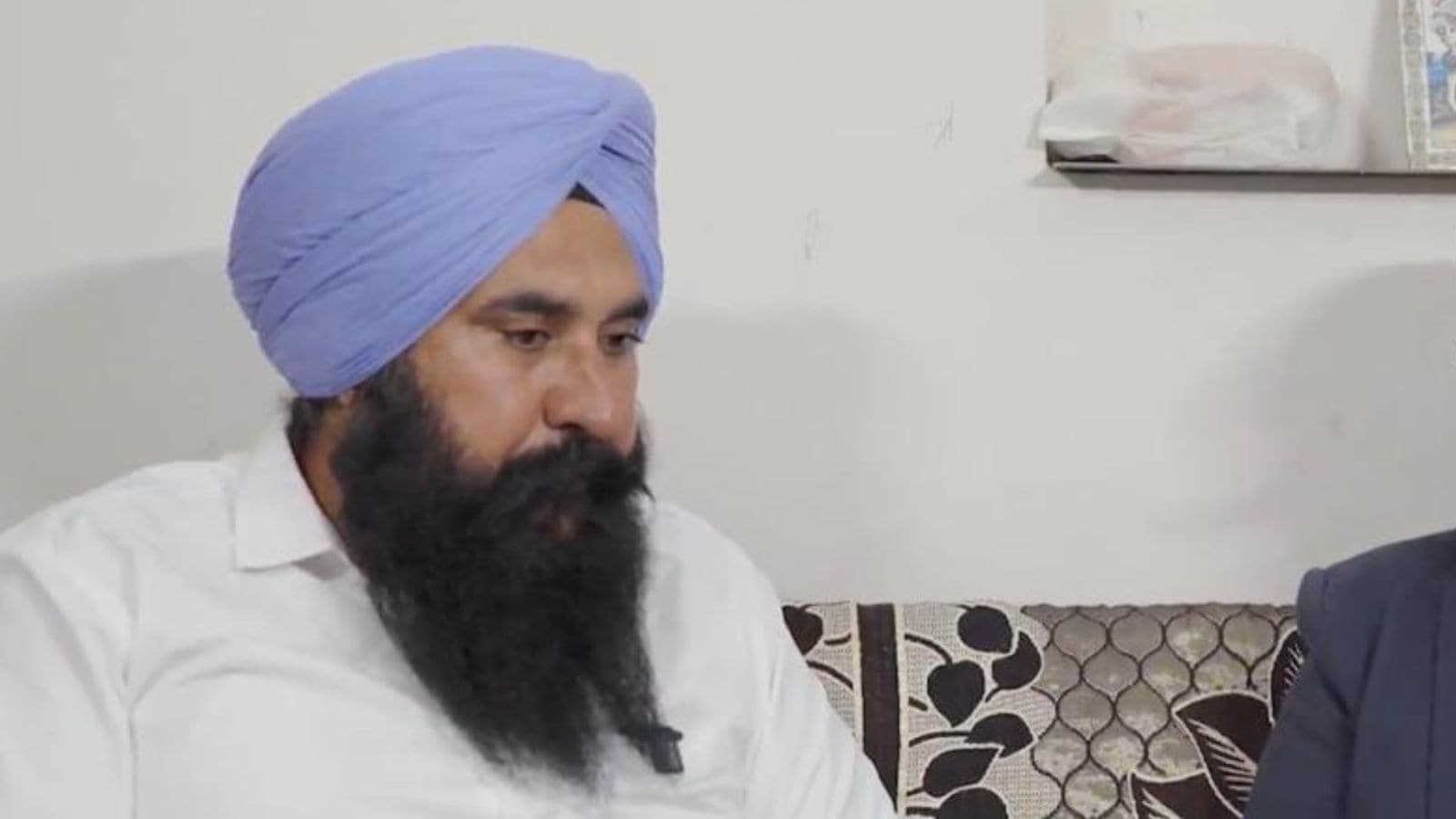
Image: Indian Express

Politics
Thursday, May 21, 20265 min read

Punjab's Controversial Drug Census: Political Survey or Reality Check?

Is Punjab's Drug Census a genuine effort to tackle addiction or a political strategy for AAP? Discover the truth behind this controversial survey.

Glipzo News Desk|Source: Indian Express
Share
Glipzo

Key Highlights

  • Punjab's Drug Census raises concerns over political bias.
  • Teachers claim survey focuses more on AAP's schemes than drug issues.
  • Census includes 120 questions, many linked to government welfare.
  • Public feedback on drug policies becomes a political tool.
  • Will the census truly address Punjab's drug crisis?

In this article

  • Introduction to the Drug and Socio-Economic Census 2026 In a bid to tackle the ongoing **drug crisis** in Punjab, the state government has launched its first-ever **Drug and Socio-Economic Census 2026**. This initiative aims to assess the **extent of drug abuse** across the region, but it has quickly sparked significant controversy. Critics are raising alarms that the survey resembles a **political feedback mechanism** rather than a genuine attempt to address the drug epidemic. As Punjab prepares for the upcoming **2027 Assembly elections**, the motives behind this census are under scrutiny.
  • The Structure of the Census The census is an ambitious undertaking, consisting of nearly **120 questions** designed to be presented to every household in the state. Among the 70 mandatory questions, a striking **40 directly relate to the welfare schemes** implemented by the **Aam Aadmi Party (AAP)** government under Chief Minister **Bhagwant Mann**. This has led many to question the census's true purpose.
  • Teachers Voice Their Concerns Teachers tasked with administering the census have expressed frustration over its direction. One educator from **Fazilka district** pointed out that the survey has little to do with **drug usage** and is instead focused on assessing the **voter sentiment** regarding the AAP’s policies. "Hardly anyone admits to drug use in their family. When asked, they often say ‘No’, even if the village knows otherwise. We are recording responses that lack authenticity," the educator lamented.
  • Dominance of Government Schemes in the Survey The survey includes a range of questions about the government’s anti-drug campaign, **“Yuddh Nasheyan Viruddh”**, and its perceived impact on drug abuse in local areas. Respondents are also asked whether they have benefited from various AAP welfare programs: - **300-unit free power scheme** - **Aam Aadmi Clinics** - **Pension schemes** - **Free bus travel for women** - **Mukh Mantri Tirath Yatra** - **Doorstep delivery of government services** through the **“Sarkaar Tuhade Dwar” initiative**.
  • Allegations of Political Manipulation Teachers have reported that enumerators are instructed to promote government schemes during the survey. One such instance involves a question regarding the **CM Yogshala scheme**, where enumerators must explain the program if respondents indicate they have not benefited from it. This raises serious doubts about the neutrality of the census and whether it is being used as a tool for **political gain**.
  • Why This Matters The implications of the Drug and Socio-Economic Census 2026 extend beyond just a political tool. With **Punjab grappling with a severe drug crisis**, accurate data is essential for crafting effective policies and interventions. The focus on government schemes instead of the actual drug problem raises concerns about whether the state is genuinely prioritizing public health or merely seeking to bolster its political standing.
  • Looking Ahead: What’s Next for Punjab? As Punjab heads toward its **2027 Assembly elections**, all eyes will be on the outcomes of this census. Will the government heed the concerns raised by educators and citizens, or will the focus remain steadfastly on promoting its policies?

Introduction to the Drug and Socio-Economic Census 2026 In a bid to tackle the ongoing **drug crisis** in Punjab, the state government has launched its first-ever **Drug and Socio-Economic Census 2026**. This initiative aims to assess the **extent of drug abuse** across the region, but it has quickly sparked significant controversy. Critics are raising alarms that the survey resembles a **political feedback mechanism** rather than a genuine attempt to address the drug epidemic. As Punjab prepares for the upcoming **2027 Assembly elections**, the motives behind this census are under scrutiny.

The Structure of the Census The census is an ambitious undertaking, consisting of nearly **120 questions** designed to be presented to every household in the state. Among the 70 mandatory questions, a striking **40 directly relate to the welfare schemes** implemented by the **Aam Aadmi Party (AAP)** government under Chief Minister **Bhagwant Mann**. This has led many to question the census's true purpose.

Amit Talwar, the Special Secretary for Rural Development and Panchayats, who oversees the census, defended the inclusion of these questions. "The questions on government schemes have been included so that we can take suggestions for betterment. The drop-down questions are asked only if a person answers ‘Yes’ to the initial question," he explained to The Indian Express. However, this reasoning has not quelled the concern of educators and citizens alike who find the focus on government feedback troubling.

Teachers Voice Their Concerns Teachers tasked with administering the census have expressed frustration over its direction. One educator from **Fazilka district** pointed out that the survey has little to do with **drug usage** and is instead focused on assessing the **voter sentiment** regarding the AAP’s policies. "Hardly anyone admits to drug use in their family. When asked, they often say ‘No’, even if the village knows otherwise. We are recording responses that lack authenticity," the educator lamented.

The time commitment for each family averages 50-60 minutes, much of which is spent gathering feedback about government initiatives rather than addressing the critical issue of drug addiction. The educators worry that this approach undermines the validity of the survey.

Dominance of Government Schemes in the Survey The survey includes a range of questions about the government’s anti-drug campaign, **“Yuddh Nasheyan Viruddh”**, and its perceived impact on drug abuse in local areas. Respondents are also asked whether they have benefited from various AAP welfare programs: - **300-unit free power scheme** - **Aam Aadmi Clinics** - **Pension schemes** - **Free bus travel for women** - **Mukh Mantri Tirath Yatra** - **Doorstep delivery of government services** through the **“Sarkaar Tuhade Dwar” initiative**.

Questions like, “Has the power situation in Punjab improved after the Bhagwant Mann-led AAP government came to power?” illustrate how deeply intertwined the census is with evaluating political performance. One question even prompts respondents to name the “top five works” of the government, further emphasizing the political nature of this survey.

Allegations of Political Manipulation Teachers have reported that enumerators are instructed to promote government schemes during the survey. One such instance involves a question regarding the **CM Yogshala scheme**, where enumerators must explain the program if respondents indicate they have not benefited from it. This raises serious doubts about the neutrality of the census and whether it is being used as a tool for **political gain**.

Critics, including several teachers involved in the survey, argue that the census is more about gauging public opinion in favor of the AAP as they gear up for the elections. A teacher from Amritsar stated, “This is a pre-election survey, and it should have been conducted by AAP workers, not teachers.” The overwhelming response from families denying drug use is seen as a reflection of the social stigma surrounding addiction, suggesting that many respondents prefer to keep such issues private.

Why This Matters The implications of the Drug and Socio-Economic Census 2026 extend beyond just a political tool. With **Punjab grappling with a severe drug crisis**, accurate data is essential for crafting effective policies and interventions. The focus on government schemes instead of the actual drug problem raises concerns about whether the state is genuinely prioritizing public health or merely seeking to bolster its political standing.

As concerns about the validity of the survey grow, the question remains: Will the Punjab government take the necessary steps to address the drug crisis or will it continue to mask the issue with political maneuvers? The outcome of this census may significantly impact public perception of the AAP as the elections approach.

Looking Ahead: What’s Next for Punjab? As Punjab heads toward its **2027 Assembly elections**, all eyes will be on the outcomes of this census. Will the government heed the concerns raised by educators and citizens, or will the focus remain steadfastly on promoting its policies?

The effectiveness of the census in addressing drug addiction will likely be a hot topic in the political discourse leading up to the elections. Stakeholders, including local communities and health professionals, will need to advocate for a more transparent and focused approach to tackling the drug crisis in Punjab. Only time will tell if this census can serve its intended purpose or will be remembered as a mere political stunt.

In conclusion, while the Drug and Socio-Economic Census 2026 presents a unique opportunity to address a critical issue, its execution and political undertones could determine its success or failure in the eyes of the public and future policymakers.

Did you find this article useful? Share it!

Share

Related Articles

Critical Air Strikes Erupt Between US and Iran in Gulf Region
Politics
Jun 1, 2026

Critical Air Strikes Erupt Between US and Iran in Gulf Region

Tensions soar as the US and Iran engage in air strikes near the Strait of Hormuz, raising concerns over global oil supply and regional stability.

BBC World

Trump Faces Stalemate in International Military Strategy
Politics
Jun 1, 2026

Trump Faces Stalemate in International Military Strategy

Trump's international interventions face serious stalemates. What will this mean for U.S. foreign policy? Explore the critical challenges ahead.

Indian Express

Tehran Denies Rumors of President Pezeshkian’s Resignation
Politics
Jun 1, 2026

Tehran Denies Rumors of President Pezeshkian’s Resignation

Tehran denies resignation of President Masoud Pezeshkian amid claims of IRGC influence. What does this mean for Iran's political stability? Click to learn more!

Indian Express

Categories

  • World
  • Technology
  • Business
  • Sports

More

  • Entertainment
  • Science
  • Health
  • Politics

Explore

  • Web Stories
  • About Us
  • Contact

Legal

  • Privacy Policy
  • Terms of Service
  • Disclaimer

© 2026 Glipzo. All rights reserved.