Glipzo
WorldTechnologyBusinessSportsEntertainmentScienceHealthPolitics
Glipzo
WorldTechnologyBusinessSportsEntertainmentScienceHealthPolitics
  1. Home
  2. /
  3. World
  4. /
  5. Polish Judge Approves Extradition of Russian Archaeologist to Ukraine
Polish Judge Approves Extradition of Russian Archaeologist to Ukraine

Image: BBC World

World
Wednesday, March 18, 20264 min read

Polish Judge Approves Extradition of Russian Archaeologist to Ukraine

A Polish court rules Alexander Butyagin can be extradited to Ukraine amid allegations of illegal excavations. A significant legal and cultural heritage case unfolds.

Glipzo News Desk|Source: BBC World
Share
Glipzo

Key Highlights

  • Polish judge allows extradition of Russian archaeologist Butyagin.
  • Butyagin faces allegations of plundering artifacts in Crimea.
  • His appeal could impact international cultural heritage laws.
  • Ukraine accuses Butyagin of illegal excavations since 2014 annexation.

In this article

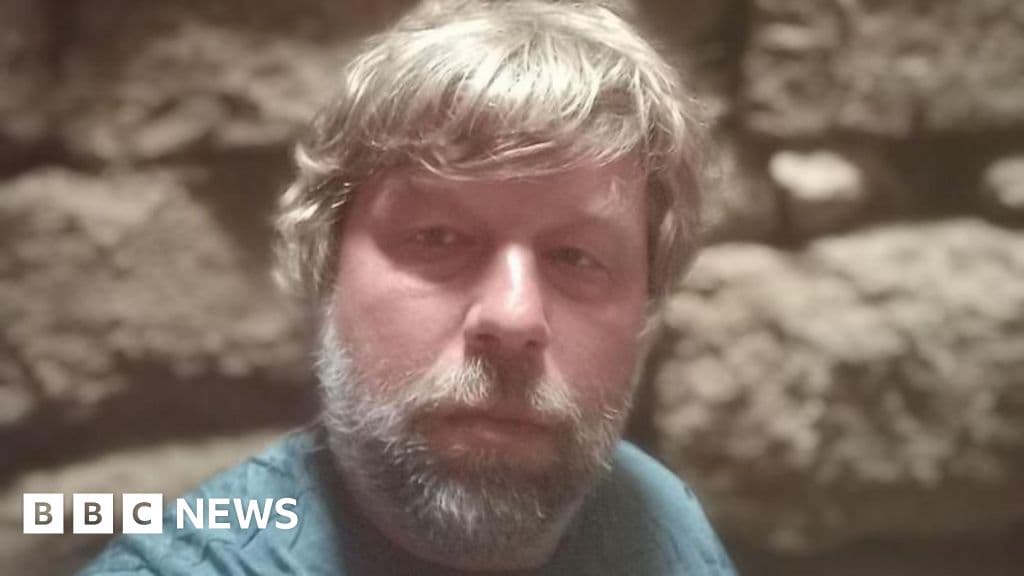
  • Polish Court Decision Raises Stakes for Russian Archaeologist In a significant legal ruling, a Polish judge has determined that **Alexander Butyagin**, a Russian archaeologist, may be extradited to Ukraine. This decision comes amid serious allegations of illegal excavations and the looting of artifacts from the ancient city of **Myrmekion**, located in Crimea, a region annexed by Russia in 2014. Butyagin, who has been held in a Warsaw prison since his arrest on December 4, 2024, plans to appeal the ruling, according to his defense team. Judge **Dariusz Łubowski**'s ruling opens the door for Butyagin to face trial in Ukraine, although the final decision on extradition will be in the hands of Poland's justice minister. If ultimately convicted, Butyagin could face a prison sentence of up to **five years**. His case has drawn international attention, particularly given the ongoing tensions between Russia and Ukraine following the full-scale invasion that began in 2022.
  • Allegations and Legal Implications Butyagin's defense asserts that the charges against him are politically motivated, with Russia demanding his immediate release. His lawyer, **Adam Domański**, has expressed concerns for Butyagin's safety should he be extradited. “His life and wellbeing would be at risk,” Domański stated, highlighting the precarious situation for Russians facing legal actions in Ukraine. The archaeologist's legal troubles stem from allegations that he conducted excavations in Crimea without the approval of Ukrainian authorities. Initially, his research was sanctioned by Ukraine but continued post-annexation in 2014, leading to accusations that he plundered valuable artifacts, including **30 gold coins**. The total damage from these alleged activities is estimated at over **$4.5 million** (£3.4 million).
  • Broader Context: Cultural Heritage and International Law Butyagin's case is emblematic of a larger conflict over cultural heritage in regions affected by armed conflict. Under the **Second Protocol** to the **Hague Convention**, which aims to protect cultural property during conflicts, Russia's excavations in Crimea are considered illegal. While Ukraine and many European nations are signatories to this protocol, Russia is not. Butyagin has defended his actions by claiming that his work was essential to preserve the archaeological site from deterioration and vandalism. “Stopping our work would have affected the condition of the monument,” he argued. However, critics, including **Evelina Kravchenko**, a senior researcher at Ukraine's Institute of Archaeology, counter that Russian archaeologists should not be allowed to excavate in occupied territories. “His work has been harmful for Crimea's cultural heritage,” Kravchenko asserted.
  • Evidence and Accusations Mount In November 2024, Ukraine's **State Security Service (SBU)** announced that it had gathered evidence against Butyagin, accusing him of looting Ukrainian cultural heritage in Crimea. Although his identity was not initially disclosed, the SBU indicated that the archaeologist was the head of the archaeology department at the Hermitage, Russia's largest art museum in St. Petersburg. The accusations include illegal excavations and damage to cultural heritage sites. Currently, Butyagin remains in a Warsaw detention center, with his bail motion rejected. If his appeal against extradition is unsuccessful, the outcome of his case could set a precedent for how cultural heritage crimes are prosecuted in the context of ongoing geopolitical tensions.
  • What Lies Ahead for Butyagin? As the situation develops, the next steps in Butyagin's legal battle will be closely watched. His potential extradition could spark further diplomatic tensions between Russia and Ukraine, especially as both nations navigate the complexities of war and cultural heritage preservation. Should Butyagin's appeal fail and he is extradited to Ukraine, the trial may not only address his individual actions but could also highlight broader issues of cultural preservation in conflict zones. For Ukraine, this case represents a chance to assert its rights over its cultural heritage and hold accountable those who exploit it. As this case unfolds, observers will be keen to see how Poland's justice system navigates the intricacies of international law amidst a backdrop of ongoing war and political strife. The implications of this ruling extend beyond Butyagin, potentially impacting future archaeological endeavors and the safeguarding of cultural heritage in contested areas.

Polish Court Decision Raises Stakes for Russian Archaeologist In a significant legal ruling, a Polish judge has determined that **Alexander Butyagin**, a Russian archaeologist, may be extradited to Ukraine. This decision comes amid serious allegations of illegal excavations and the looting of artifacts from the ancient city of **Myrmekion**, located in Crimea, a region annexed by Russia in 2014. Butyagin, who has been held in a Warsaw prison since his arrest on December 4, 2024, plans to appeal the ruling, according to his defense team. Judge **Dariusz Łubowski**'s ruling opens the door for Butyagin to face trial in Ukraine, although the final decision on extradition will be in the hands of Poland's justice minister. If ultimately convicted, Butyagin could face a prison sentence of up to **five years**. His case has drawn international attention, particularly given the ongoing tensions between Russia and Ukraine following the full-scale invasion that began in 2022.

Allegations and Legal Implications Butyagin's defense asserts that the charges against him are politically motivated, with Russia demanding his immediate release. His lawyer, **Adam Domański**, has expressed concerns for Butyagin's safety should he be extradited. “His life and wellbeing would be at risk,” Domański stated, highlighting the precarious situation for Russians facing legal actions in Ukraine. The archaeologist's legal troubles stem from allegations that he conducted excavations in Crimea without the approval of Ukrainian authorities. Initially, his research was sanctioned by Ukraine but continued post-annexation in 2014, leading to accusations that he plundered valuable artifacts, including **30 gold coins**. The total damage from these alleged activities is estimated at over **$4.5 million** (£3.4 million).

Broader Context: Cultural Heritage and International Law Butyagin's case is emblematic of a larger conflict over cultural heritage in regions affected by armed conflict. Under the **Second Protocol** to the **Hague Convention**, which aims to protect cultural property during conflicts, Russia's excavations in Crimea are considered illegal. While Ukraine and many European nations are signatories to this protocol, Russia is not. Butyagin has defended his actions by claiming that his work was essential to preserve the archaeological site from deterioration and vandalism. “Stopping our work would have affected the condition of the monument,” he argued. However, critics, including **Evelina Kravchenko**, a senior researcher at Ukraine's Institute of Archaeology, counter that Russian archaeologists should not be allowed to excavate in occupied territories. “His work has been harmful for Crimea's cultural heritage,” Kravchenko asserted.

Evidence and Accusations Mount In November 2024, Ukraine's **State Security Service (SBU)** announced that it had gathered evidence against Butyagin, accusing him of looting Ukrainian cultural heritage in Crimea. Although his identity was not initially disclosed, the SBU indicated that the archaeologist was the head of the archaeology department at the Hermitage, Russia's largest art museum in St. Petersburg. The accusations include illegal excavations and damage to cultural heritage sites. Currently, Butyagin remains in a Warsaw detention center, with his bail motion rejected. If his appeal against extradition is unsuccessful, the outcome of his case could set a precedent for how cultural heritage crimes are prosecuted in the context of ongoing geopolitical tensions.

What Lies Ahead for Butyagin? As the situation develops, the next steps in Butyagin's legal battle will be closely watched. His potential extradition could spark further diplomatic tensions between Russia and Ukraine, especially as both nations navigate the complexities of war and cultural heritage preservation. Should Butyagin's appeal fail and he is extradited to Ukraine, the trial may not only address his individual actions but could also highlight broader issues of cultural preservation in conflict zones. For Ukraine, this case represents a chance to assert its rights over its cultural heritage and hold accountable those who exploit it. As this case unfolds, observers will be keen to see how Poland's justice system navigates the intricacies of international law amidst a backdrop of ongoing war and political strife. The implications of this ruling extend beyond Butyagin, potentially impacting future archaeological endeavors and the safeguarding of cultural heritage in contested areas.

Did you find this article useful? Share it!

Share

Related Articles

Thousands Evacuated in Paris as WWII Bomb Detonated Safely
World
Apr 20, 2026

Thousands Evacuated in Paris as WWII Bomb Detonated Safely

Thousands were evacuated in Colombes, Paris, as authorities safely detonated a WWII bomb. Learn about the operation and its implications.

BBC World
Tragic Shooting Claims Lives of Eight Children in Louisiana
World
Apr 20, 2026

Tragic Shooting Claims Lives of Eight Children in Louisiana

Tragedy strikes Shreveport as eight children are killed in a shooting. Understand the implications and community response to this heartbreaking event.

BBC World
Shocking Twist: Pan Parlour Owner's Abduction Unveils Dark Conspiracy
World
Apr 19, 2026

Shocking Twist: Pan Parlour Owner's Abduction Unveils Dark Conspiracy

Discover the shocking conspiracy behind a Vadodara pan parlour owner's kidnapping, involving his wife and a former lover. What led to this sinister plot?

Indian Express

Categories

  • World
  • Technology
  • Business
  • Sports

More

  • Entertainment
  • Science
  • Health
  • Politics

Explore

  • Web Stories
  • About Us
  • Contact

Legal

  • Privacy Policy
  • Terms of Service

© 2026 Glipzo. All rights reserved.