
Glipzo
WorldTechnologyBusinessSportsEntertainmentScienceHealthPolitics
Glipzo
WorldTechnologyBusinessSportsEntertainmentScienceHealthPolitics
  1. Home
  2. /
  3. Politics
  4. /
  5. PM Modi’s Call for Austerity: Should We Stay Domestic?
PM Modi’s Call for Austerity: Should We Stay Domestic?

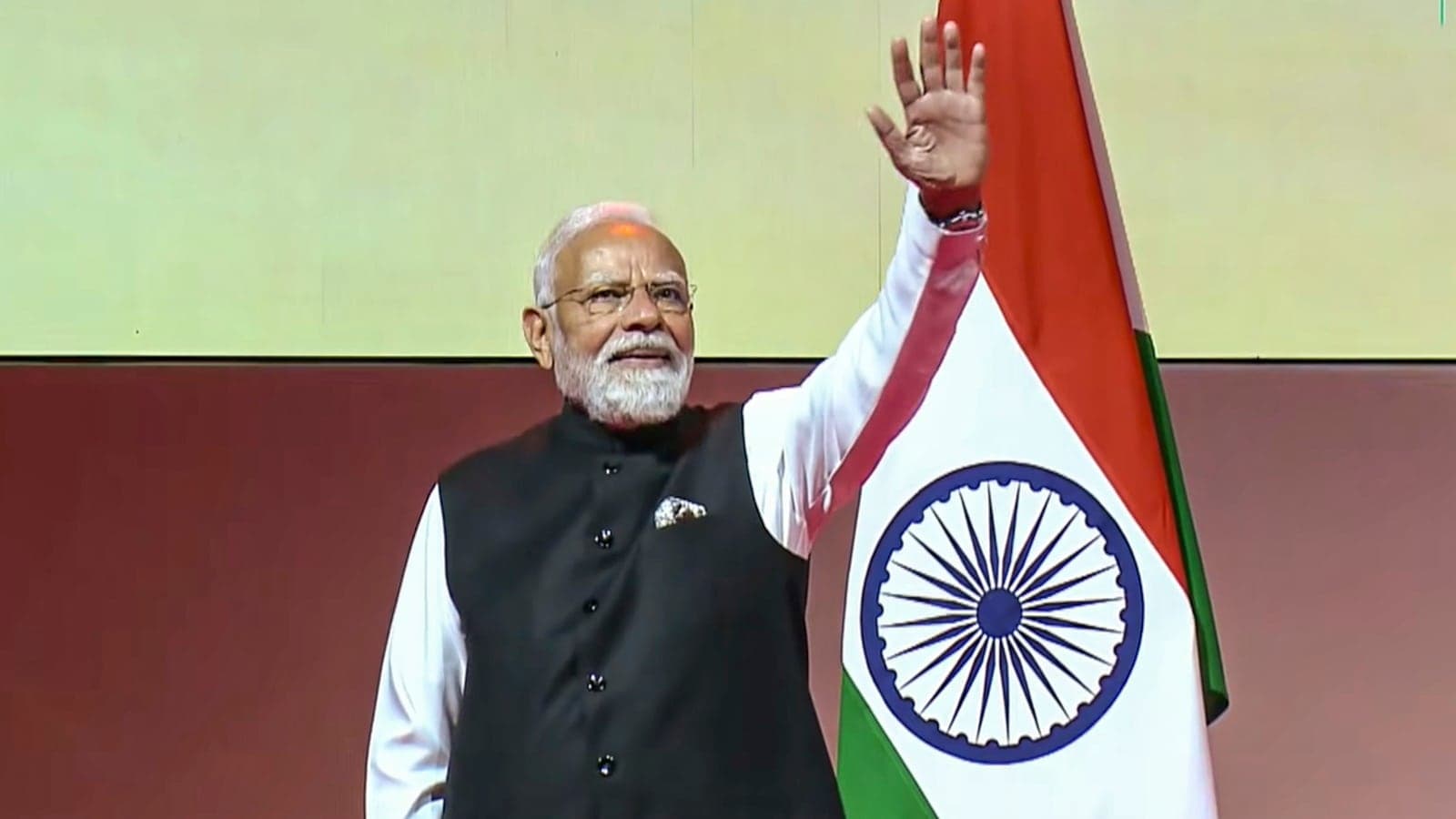
Image: Indian Express

Politics
Sunday, May 17, 20264 min read

PM Modi’s Call for Austerity: Should We Stay Domestic?

PM Modi urges Indians to explore local tourism amid economic crisis. Is it time to prioritize domestic travel over lavish international vacations?

Glipzo News Desk|Source: Indian Express
Share
Glipzo

Key Highlights

  • PM Modi questions: Is India not worth visiting?
  • Domestic tourism faces challenges like pollution and congestion.
  • Destination weddings abroad are often cheaper and more appealing.
  • Ethics of travel: Duty vs. personal enjoyment explored.
  • Can India improve its tourism appeal to match international standards?

In this article

  • PM Modi's Plea for Domestic Tourism: A New Perspective
  • The Reality of India's Tourism Landscape While the Prime Minister's message advocates for exploring domestic destinations, a candid look at the current state of tourism in India reveals significant challenges. Many of India's popular **hill stations** are grappling with issues like **traffic congestion**, **water shortages**, and rampant pollution. In contrast, travelers often find that destinations like **Pattaya** in **Thailand** offer a more enjoyable experience at a lower cost. This discrepancy raises questions about the allure of local attractions versus international locales.
  • Economic Implications of Destination Weddings Modi's remarks also touched on the growing popularity of **destination weddings** outside of India. He highlighted the economic implications of these choices, considering that hosting weddings in countries like **Sri Lanka**, **Bangkok**, or **Istanbul** can be more cost-effective than in traditional Indian locales such as **Delhi**, **Udaipur**, or **Jaipur**. The Prime Minister's emphasis on patriotism suggests a push for citizens to redirect their spending towards domestic tourism, but this raises a fundamental question: is it ethical to prioritize national loyalty over personal enjoyment and economic sense?
  • The Intersection of Morality and Personal Choices In contemplating the Prime Minister's appeal, we must consider the complexities surrounding individual decisions and their broader implications. Personal experiences and societal norms shape our understanding of duty and consumer choices. Historical events, such as the recent turmoil in **Israel**, where young citizens challenge traditional notions of patriotism, illustrate that moral dilemmas often lack clear-cut answers.
  • Navigating Personal Travel Decisions As individuals navigate their travel plans amidst these broader societal calls for austerity, the question arises: should one cancel a planned trip to **London** merely to align with patriotic sentiments? It’s crucial to recognize that not every travel decision carries the same weight or implications. For those who have already made significant financial commitments, such as non-refundable tickets and pre-paid accommodations, cancellation might not be a feasible option.
  • Conclusion: The Future of Domestic Tourism As we reflect on Prime Minister Modi's call for a renewed focus on domestic tourism, the conversation must extend beyond mere obligation to national pride. It requires a genuine commitment to improving local infrastructure and enhancing the travel experience within India. Moving forward, we should be attentive to how the government addresses these systemic issues and whether it can create an environment conducive to fostering tourism that competes with international destinations.

PM Modi's Plea for Domestic Tourism: A New Perspective

In a recent address in Vadodara, Prime Minister Narendra Modi expressed concern over the trend of Indians traveling abroad for summer vacations, urging citizens to consider the impact of such choices on the country's economy. With ongoing crises in West Asia affecting foreign exchange reserves, Modi posed a thought-provoking question: “Is there no place in India worth visiting?” His comments reflect a deeper concern about national pride and economic stability against the backdrop of increasing expenditures on international travel and lavish destination weddings.

The Reality of India's Tourism Landscape While the Prime Minister's message advocates for exploring domestic destinations, a candid look at the current state of tourism in India reveals significant challenges. Many of India's popular **hill stations** are grappling with issues like **traffic congestion**, **water shortages**, and rampant pollution. In contrast, travelers often find that destinations like **Pattaya** in **Thailand** offer a more enjoyable experience at a lower cost. This discrepancy raises questions about the allure of local attractions versus international locales.

  • **Local Challenges:**
  • **International Appeal:**

The stark reality is that many Indian citizens are choosing to travel abroad, often discovering that systems function with a level of reliability that is sometimes lacking at home. This trend emphasizes the importance of having quality options within the country, as many feel entitled to spend their hard-earned money on memorable experiences, regardless of location.

Economic Implications of Destination Weddings Modi's remarks also touched on the growing popularity of **destination weddings** outside of India. He highlighted the economic implications of these choices, considering that hosting weddings in countries like **Sri Lanka**, **Bangkok**, or **Istanbul** can be more cost-effective than in traditional Indian locales such as **Delhi**, **Udaipur**, or **Jaipur**. The Prime Minister's emphasis on patriotism suggests a push for citizens to redirect their spending towards domestic tourism, but this raises a fundamental question: is it ethical to prioritize national loyalty over personal enjoyment and economic sense?

The Intersection of Morality and Personal Choices In contemplating the Prime Minister's appeal, we must consider the complexities surrounding individual decisions and their broader implications. Personal experiences and societal norms shape our understanding of duty and consumer choices. Historical events, such as the recent turmoil in **Israel**, where young citizens challenge traditional notions of patriotism, illustrate that moral dilemmas often lack clear-cut answers.

  • **Questions of Duty:**

The essence of ethical decision-making lies in balancing personal satisfaction with a sense of duty to the community. The expectation that the government will provide favorable conditions for economic growth adds another layer to these considerations, especially during challenging times.

Navigating Personal Travel Decisions As individuals navigate their travel plans amidst these broader societal calls for austerity, the question arises: should one cancel a planned trip to **London** merely to align with patriotic sentiments? It’s crucial to recognize that not every travel decision carries the same weight or implications. For those who have already made significant financial commitments, such as non-refundable tickets and pre-paid accommodations, cancellation might not be a feasible option.

  • **Considerations for Travelers:**

In contrast, those still in the planning stages might contemplate postponing their exotic vacations in favor of exploring local destinations. The challenge lies in understanding that individual choices can significantly contribute to broader societal impacts, even if they seem trivial on a personal level.

Conclusion: The Future of Domestic Tourism As we reflect on Prime Minister Modi's call for a renewed focus on domestic tourism, the conversation must extend beyond mere obligation to national pride. It requires a genuine commitment to improving local infrastructure and enhancing the travel experience within India. Moving forward, we should be attentive to how the government addresses these systemic issues and whether it can create an environment conducive to fostering tourism that competes with international destinations.

Ultimately, as we examine our travel habits and choices, we must weigh the potential benefits against personal desires in a rapidly changing global context. The path ahead may involve a delicate balance between personal joys and national responsibility, but embracing this dialogue can lead to a more vibrant future for both domestic tourism and the economy at large.

Did you find this article useful? Share it!

Share

Related Articles

Critical Air Strikes Erupt Between US and Iran in Gulf Region
Politics
Jun 1, 2026

Critical Air Strikes Erupt Between US and Iran in Gulf Region

Tensions soar as the US and Iran engage in air strikes near the Strait of Hormuz, raising concerns over global oil supply and regional stability.

BBC World

Trump Faces Stalemate in International Military Strategy
Politics
Jun 1, 2026

Trump Faces Stalemate in International Military Strategy

Trump's international interventions face serious stalemates. What will this mean for U.S. foreign policy? Explore the critical challenges ahead.

Indian Express

Tehran Denies Rumors of President Pezeshkian’s Resignation
Politics
Jun 1, 2026

Tehran Denies Rumors of President Pezeshkian’s Resignation

Tehran denies resignation of President Masoud Pezeshkian amid claims of IRGC influence. What does this mean for Iran's political stability? Click to learn more!

Indian Express

Categories

  • World
  • Technology
  • Business
  • Sports

More

  • Entertainment
  • Science
  • Health
  • Politics

Explore

  • Web Stories
  • About Us
  • Contact

Legal

  • Privacy Policy
  • Terms of Service
  • Disclaimer

© 2026 Glipzo. All rights reserved.