
Image: BBC Technology
Peter Molyneux reflects on his final game, AI's role in gaming, and the future of the UK gaming industry. What does this mean for the sector's evolution?
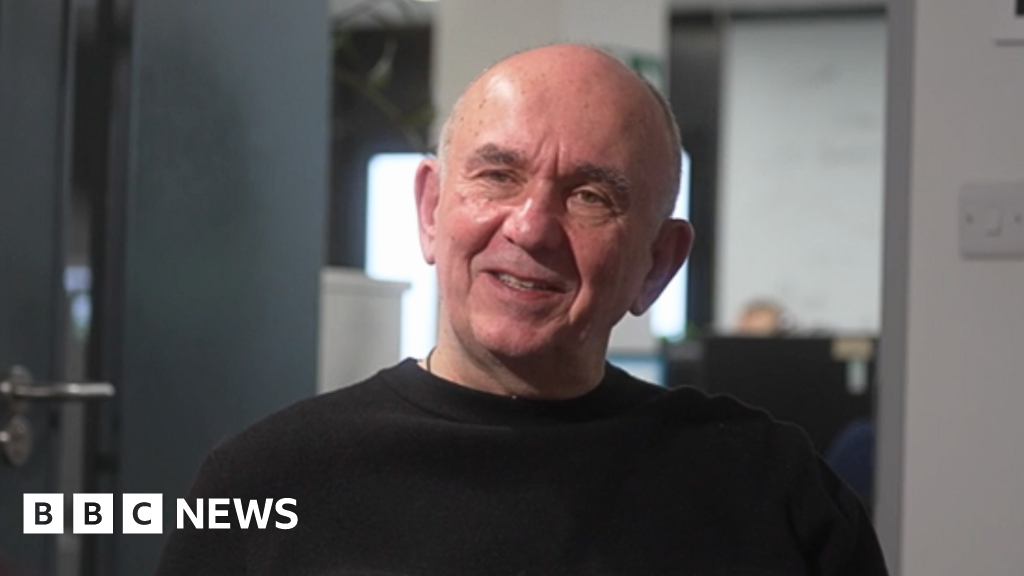
GlipzoPeter Molyneux OBE, a titan of the UK gaming scene, is preparing to bid farewell to the industry he helped shape. At 66 years old, Molyneux is best known for pioneering beloved franchises such as Fable, Black & White, and Theme Park. In a recent conversation, he revealed that his latest endeavor, Masters of Albion, will mark the end of his illustrious career as the creative director at 22cans.
This new project is a significant throwback for Molyneux, as it aims to reinvent the god game genre he famously introduced with Populous back in 1989. Players will experience a dynamic environment where they can build and manage settlements during the day and defend them against threats at night, gaining the ability to control individual characters whenever they wish.
> "What I'd like to be remembered for is someone who - ridiculously sometimes - tried lots of different genres," Molyneux shared, reflecting on his diverse contributions to gaming.
Despite his decision to step away from game design after Masters of Albion, Molyneux remains passionate about the evolving landscape of game development. One area of particular interest is the potential of artificial intelligence (AI) to revolutionize the industry by lowering development costs and enhancing creative possibilities. However, he cautions that AI is not yet ready for full-scale implementation in gaming.
> "AI is not of a high enough quality for us to really use in games right now," he stated, emphasizing the need for careful integration of this powerful technology. Molyneux believes that safeguards must be established to prevent potential misuse of AI capabilities.
He draws parallels between the current advancements in AI and historical technological revolutions, such as the Industrial Revolution in Britain, suggesting that these innovations will inevitably lead to disruption within the industry. Molyneux remains optimistic about humanity's ability to adapt to changes, asserting, "We've always evolved. We've never stayed still. Societies have changed, and we just deal with it."
Molyneux's reflections come from his office in Guildford, Surrey, which has emerged as a vibrant hub for the UK gaming industry since he co-founded Bullfrog Productions in 1987. Today, nearly 30 companies, including branches of major studios like EA and Ubisoft, have established their presence in the area. Molyneux points to Hello Games, the creators of the acclaimed No Man's Sky, as a testament to the UK's creative edge.
However, he warns that this competitive advantage is at risk. Molyneux highlights the growing challenges posed by countries like China, which can produce games in a fraction of the time, and the US, known for its vast resources. Molyneux believes that without addressing these issues, the UK gaming industry may struggle to maintain its esteemed position.
> "The first thing is, and this is slowly changing, is the appreciation that games are not just about shooting and killing," he said, advocating for a broader recognition of the creative potential within gaming.
The recent launch of the London Games Festival has opened doors for new funding opportunities, including a £28.5 million initiative from the UK government aimed at supporting video game studios. The program offers grants of £20,000 for emerging companies and up to £250,000 for those looking to expand their operations.
Ian Murray, a minister in the culture department, emphasized the importance of this funding during the festival, stating, "We've developed this in conjunction with the industry because they've told us this is what they need. They need entry-level support for people to get their ideas into some kind of shape that they can take forward."
This government initiative reflects an acknowledgment of the critical role that the gaming industry plays in fostering creativity and innovation. Molyneux's call for a cultural shift to celebrate the artistic aspects of gaming could further enhance the sector's growth trajectory.
As Peter Molyneux prepares to step back from game design, his legacy will undoubtedly continue to influence the industry. His commitment to exploring diverse genres and pushing creative boundaries has left an indelible mark on gaming history.
Looking forward, the gaming landscape will likely undergo transformative changes driven by advancements in technology, including AI. As developers adapt to a competitive global market, the UK must leverage its strengths and invest in nurturing new talent to maintain its status as a creative powerhouse.
Molyneux's insights highlight the urgent need for industry-wide recognition of gaming as a medium for creativity and self-expression. The future of the UK gaming industry hinges on its ability to embrace innovation while preserving its unique artistic vision.
In conclusion, as Molyneux embarks on this final journey with Masters of Albion, the gaming world watches closely. What innovations will arise from the fusion of AI and gaming? How will the UK adapt to the challenges ahead? Only time will tell, but one thing is certain: the legacy of Peter Molyneux will continue to inspire future generations of game developers.

Zahan Kapoor reveals an unconventional role in his upcoming film, signaling a significant shift from his breakout success in Black Warrant. What’s next for this rising star?
Bollywood Hungama
Discover how Vishal Jethwa is transforming his physique for Shakti Shalini, emphasizing the mental discipline behind peak fitness.
Bollywood Hungama
Discover the dark truths of urban development in Kammatipaadam, a film that reveals the often-overlooked sacrifices behind city growth.
Indian Express