

Image: Times of India
Palantir's CTO highlights how technology and individual actions can help prevent World War III. Discover how we can foster peace in a turbulent world.
GlipzoIn a world increasingly fraught with geopolitical tensions, Palantir Technologies’ Chief Technology Officer, Shyam Sankar, recently shared his insights on how individuals and governments can proactively work to prevent a potential World War III. Speaking at a forum on global security, he emphasized the critical role of technology in fostering peace and collaboration among nations.
Sankar highlighted that advanced technology plays a pivotal role in global security, particularly through data analysis and predictive algorithms. He noted that the world is at a crossroads, where miscommunication and conflict can escalate rapidly due to misinformation or lack of transparency.
According to Sankar, the key to averting large-scale conflicts lies in leveraging technology to enhance communication and understanding among countries. Here are a few points he made: - Data-Driven Insights: Utilizing big data to understand global trends and potential flashpoints. - Collaborative Platforms: Building systems that foster international cooperation and dialogue. - Predictive Analysis: Implementing AI-driven tools to foresee and mitigate risks before they escalate into conflicts.
Sankar's comments come at a time when rising tensions in various regions, particularly between superpowers, have led many to question the stability of global peace. The potential for misunderstandings and miscalculations is higher than ever, making it imperative for governments and organizations to adopt these technologies.
While governmental efforts are crucial, Sankar stressed that individual actions can also make a significant impact. He encouraged citizens to engage in conversations that promote understanding and collaboration. Some suggestions include: - Educating Yourself and Others: Knowledge about global issues can empower individuals to contribute positively. - Participating in Local Initiatives: Engaging in community programs focused on conflict resolution can foster a culture of peace. - Using Social Media Wisely: Being responsible about sharing information can help combat the spread of misinformation.
He pointed out that every individual has a role to play in creating a more peaceful world, and collective efforts can result in significant changes.
In his talk, Sankar also addressed the responsibility of corporations, particularly tech companies, in promoting peace. He argued that businesses should not only focus on profits but also on the broader implications of their technologies on society. Key actions include: - Ethical AI Development: Ensuring that AI technologies are developed with a focus on ethical considerations and human welfare. - Transparency: Being open about data usage and algorithms to build trust among users and stakeholders. - Corporate Social Responsibility: Contributing to initiatives that promote global stability and security.
By aligning corporate goals with the greater good, companies can help pave the way for a more secure world.
The insights shared by Sankar underscore a crucial point: the intersection of technology and global peace is more significant than ever. As nations grapple with complex challenges, the potential for misunderstanding and conflict looms large. With the right tools and a commitment to collaboration, it may be possible to mitigate these risks.
The stakes are high; a failure to adapt and innovate could lead to catastrophic consequences. Therefore, it is imperative for all stakeholders—governments, corporations, and individuals—to actively engage in efforts that promote peace.
As geopolitical tensions continue to rise, the conversations sparked by Sankar’s remarks will likely resonate across various forums. The future will demand not only technological advancements but also a mindset shift towards cooperation and mutual understanding. Here are some predictions for the coming years: - Increased Investment in PeaceTech: More resources will likely be allocated to technologies aimed at conflict prevention. - Global Collaborations: We may see more partnerships between countries and tech companies to foster peace. - Public Engagement: As awareness grows, citizens will increasingly participate in initiatives aimed at promoting global stability.
In conclusion, the insights from Palantir’s CTO serve as a wake-up call for all of us. The responsibility to foster a peaceful world does not rest solely on governments or organizations; it is a collective effort that requires participation at all levels. As we look to the future, the question remains: how can we, as a global community, work together to ensure that the specter of war does not overshadow our pursuit of peace?
By embracing technology and encouraging dialogue, we can forge a path towards a more secure and harmonious world.
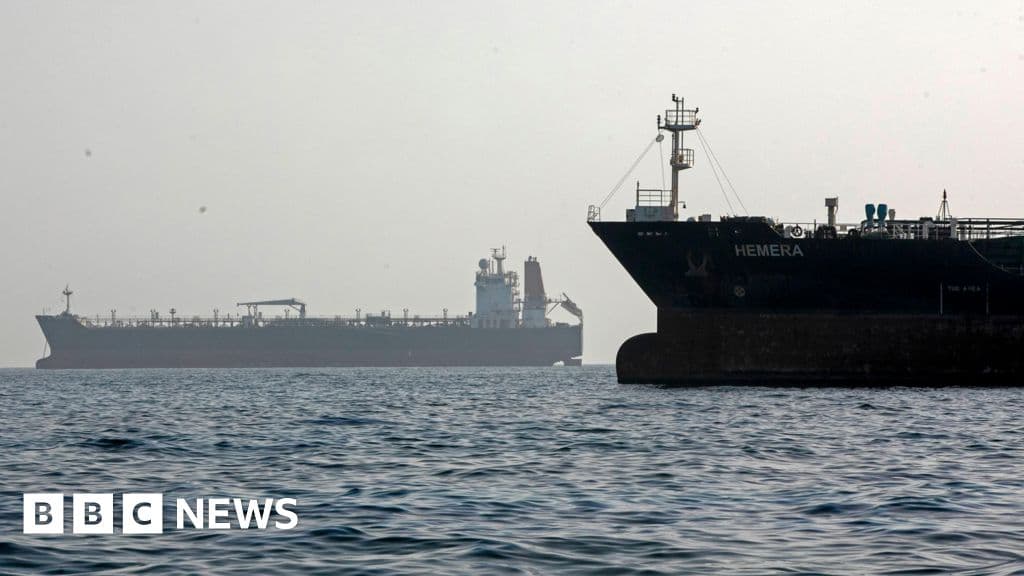
Tensions soar as the US and Iran engage in air strikes near the Strait of Hormuz, raising concerns over global oil supply and regional stability.
BBC World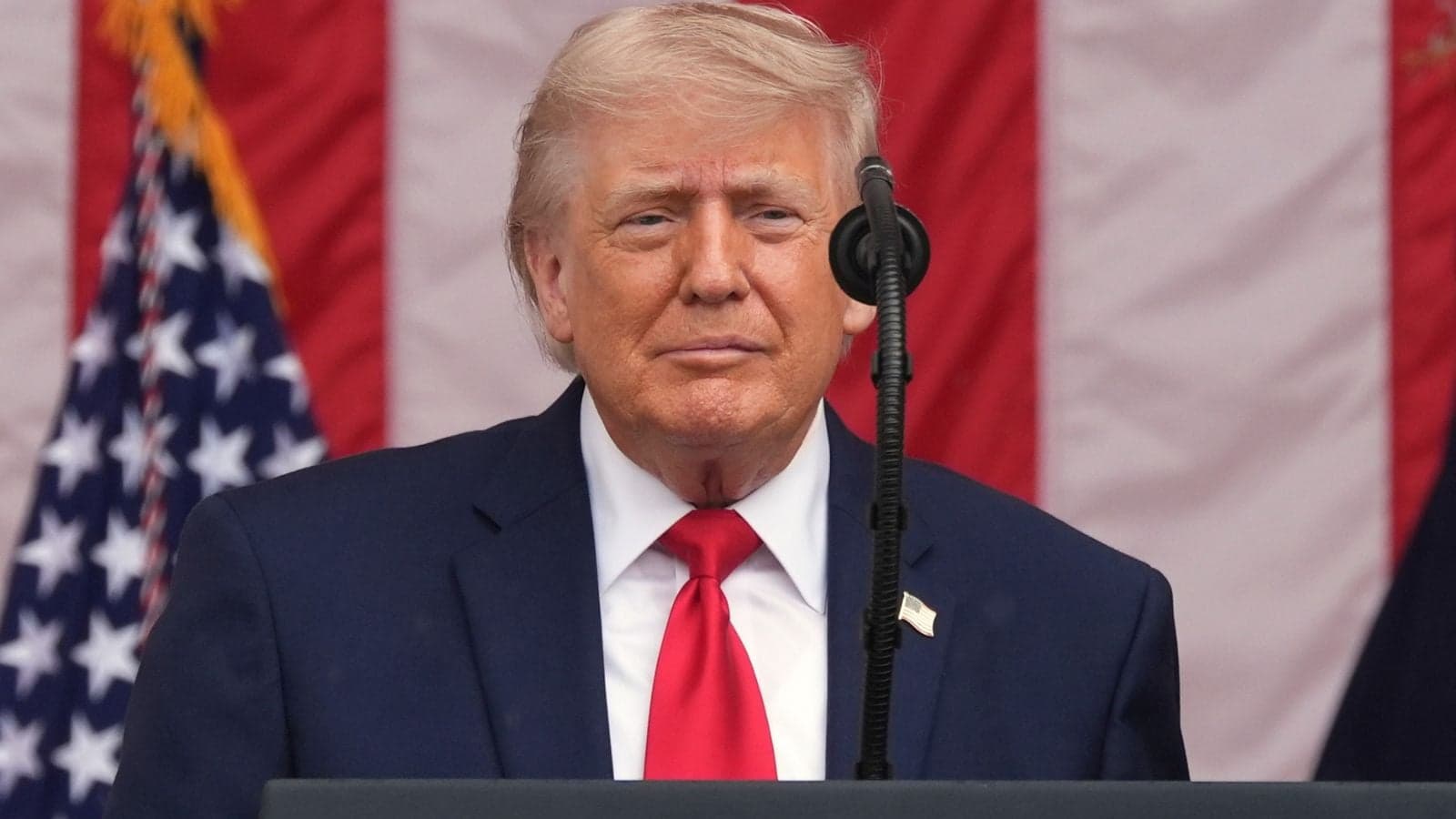
Trump's international interventions face serious stalemates. What will this mean for U.S. foreign policy? Explore the critical challenges ahead.
Indian Express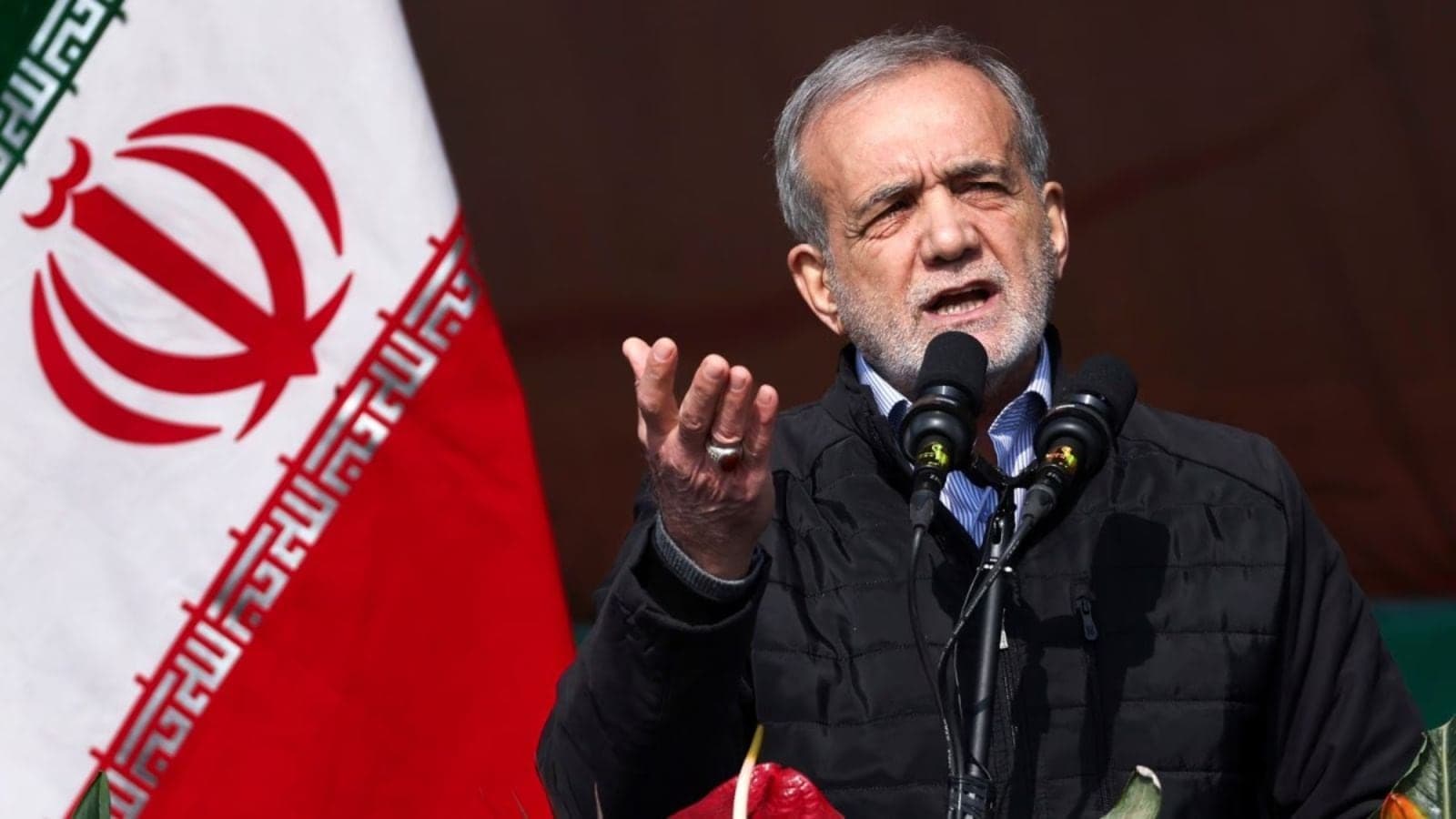
Tehran denies resignation of President Masoud Pezeshkian amid claims of IRGC influence. What does this mean for Iran's political stability? Click to learn more!
Indian Express