

Image: TechCrunch
Oura's debut in India's smart ring market introduces its premium Ring 4, challenging local brands amid a price-sensitive landscape. Will it thrive?
GlipzoOura, the Finnish company renowned for its innovative smart rings, is making its official debut in India with the launch of the Ring 4. This entry places Oura in direct competition with local brands like Ultrahuman, as well as other emerging players in a rapidly expanding yet price-sensitive smart ring market.
Priced at ₹28,900 (approximately $313) and reaching up to ₹39,900 (about $432), Oura is also offering a subscription model at ₹599 (around $6) per month. For context, the Ring 4 starts at $349 in the U.S., with a monthly subscription fee of $5.99. In comparison, Ultrahuman’s Ring Air retails for ₹28,499 (around $308), while its latest model, the Ring Pro, is priced at ₹42,990 (approximately $465).
Despite the potential for growth, India's smart ring market remains relatively small and has faced challenges. According to IDC, shipments in this category fell by 30.6% in 2025 compared to the previous year. Additionally, the average selling price dropped by 8.7% to $159.7, primarily due to the influx of lower-cost alternatives.
Vikas Sharma, a senior market analyst for wearable devices at IDC, notes that the decline reflects the nascent stage of smart rings in India. With limited brand awareness and relatively high prices, many consumers remain unaware of the benefits these devices offer. Although there was an initial surge in interest as smart rings began to gain traction, sustained growth has been elusive.
The growth of smart rings in India has also been hampered by a lack of competition beyond a few key players. Sharma suggests that the market lacks a comprehensive ecosystem to stimulate awareness and innovation, which is crucial for any emerging technology. Currently, Ultrahuman leads the smart ring sector in India with a 30.4% market share, followed by Gabit at 18.3%, according to IDC.
Oura is marketing the Ring 4 as a premium health device, distinguishing itself from local competitors who often rely on price as their primary selling point. The Ring 4 integrates advanced hardware with a subscription service that provides personalized insights on key health metrics such as sleep, activity, and recovery. This combination is designed to attract consumers looking for comprehensive health tracking solutions, even in a market that is sensitive to pricing.
In an intriguing twist, Oura's rivalry with Ultrahuman extends beyond Indian borders. The Finnish company has filed a lawsuit against Ultrahuman in the U.S., which has had repercussions for the sales of Ultrahuman’s Ring Air. In response, Ultrahuman has redesigned its new Ring Pro to navigate around Oura’s patents and is awaiting confirmation from U.S. Customs and Border Protection for its legal importation.
Alongside the launch, Oura has shared a report analyzing sleep patterns among its users in India, based on data collected from October 2024 to September 2025. This analysis uncovered that Indian users average just six hours and 28 minutes of sleep per night, which falls short of recommended levels. Moreover, users spent less time in restorative sleep stages compared to global averages.
This data highlights both the opportunity and the challenge Oura faces in India. As more people become conscious of health and wellness, the task remains to convert this awareness into demand for premium, subscription-based devices in a market that is sensitive to pricing.
Looking ahead, the potential for Oura to thrive in India will heavily depend on the ability to scale demand for its premium offerings. Sharma notes that this growth will likely necessitate the entry of additional brands into the market, which would expand pricing options and diversify product positioning.
As Oura navigates this competitive landscape, it will be essential for the company to engage in effective marketing strategies that not only raise awareness but also educate consumers about the unique benefits of its Ring 4. The success of Oura in India could signal a significant shift in the smart ring market, paving the way for further innovations and potentially altering consumer perceptions of wearables in the health sector.
Ultimately, the interplay between Oura's premium positioning and the existing competition will be intriguing to observe as the Indian smart ring market continues to evolve. Whether Oura can carve out a significant niche in this emerging landscape remains to be seen, but the company's entry certainly promises to invigorate the sector and offer consumers more choices in wearable technology.
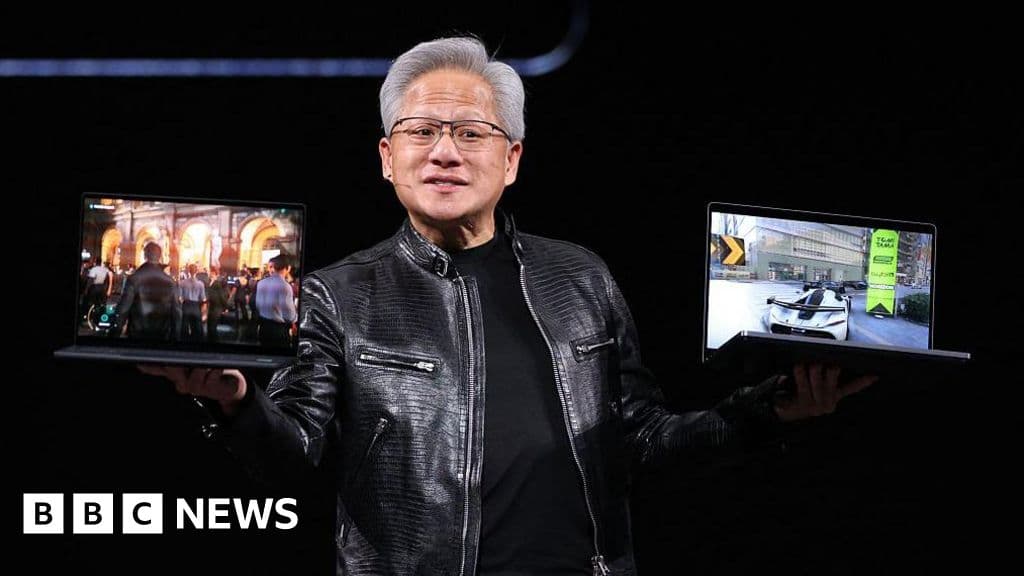
Nvidia's new RTX Spark chip aims to transform personal computing with AI, marking a significant shift in technology. Discover what this means for consumers.
BBC Business
The explosion of Blue Origin's New Glenn rocket raises significant concerns over NASA's lunar ambitions and the future of Amazon's satellite projects. Discover the implications.
BBC Science
Discover how Meta's lack of engagement on user bans raises critical concerns about accountability and transparency in social media governance.
BBC Technology