

Image: ESPN
NWSL's board to vote on a major calendar shift to align with Europe. What does this mean for women's soccer? Discover the implications and potential changes.
GlipzoIn a significant development for women’s soccer, the National Women’s Soccer League (NWSL) is poised to vote on a potential shift in its season calendar later this month. This decision, if passed, would see the league transition from its current March to November schedule to a fall-to-spring format. This change has been a topic of heated debate for several years and could drastically alter the landscape of women’s soccer in the United States.
Currently, the NWSL season runs from early spring through late fall, but shifting to a fall-start season would align it more closely with top European leagues and the Major League Soccer (MLS), which is also making the switch next year. This alignment could open new avenues for player transfers and scheduling around FIFA international windows.
The discussion surrounding the calendar shift is not new; it has been on the table for at least three years. In late 2024, a previous proposal to change the calendar was narrowly rejected, indicating a divided opinion among board members. The upcoming vote is crucial as the NWSL continues to navigate the complexities of scheduling and competition with other leagues.
While there’s enthusiasm for the calendar change among some stakeholders, the NWSL board of governors faces a challenging decision. Jessica Berman, the NWSL commissioner, remarked in November that the league's ecosystem is preparing for potential changes, hinting at both opportunities and challenges. She stated, “There are certainly opportunities that can be created with us not overlapping Major League Soccer, in that the schedule congestion for our summer calendar will be mitigated.”
Advocates for the calendar shift argue that synchronizing with European leagues could yield several advantages: - Improved Transfer Business: Easier movement of players between leagues during prime transfer windows. - Reduced Scheduling Conflicts: Less overlap with MLS could alleviate congestion and enhance fan engagement. - Enhanced TV Viewership: Late spring playoff games may attract larger audiences due to reduced competition for prime viewing slots.
The NWSL's board is prioritizing maximizing revenue from future media rights deals, making this calendar shift a potential game-changer for the league’s financial health. Berman has emphasized this objective in various discussions, suggesting that aligning seasons could enhance television ratings and sponsorship opportunities.
However, the proposal has its critics. Concerns have been raised regarding the weather conditions in various NWSL markets, particularly in regions that experience harsh winters. Critics highlight several key issues: - Player Safety: Cold temperatures could pose risks during matches, affecting player performance and safety. - Attendance Issues: Poor weather could deter fans from attending games, especially in colder climates, where attendance has already seen a decline. - Existing Summer Challenges: The league already grapples with extreme heat during summer matches, suggesting that a calendar switch might not completely solve scheduling difficulties.
The board's upcoming meeting will be critical, as any decision is expected to be narrow, much like the previous vote. The potential for changes to the league's operational structure is significant, and how they address these criticisms will be closely scrutinized.
As the NWSL prepares for this pivotal vote, it mirrors the steps taken by MLS, which has also decided to align its calendar with Europe. MLS owners voted to change their format, planning an abbreviated “sprint season,” with a full transition by the 2027-28 season. The NWSL could adopt a similar approach but on its timeline.
The new collective bargaining agreement (CBA) ratified in 2024 has already laid the groundwork for potential changes by removing restrictions on preseason start dates. It also stipulates that the league must provide at least one year’s notice to the NWSL Players Association if it intends to transition to a fall-to-spring format.
This agreement emphasizes collaboration between the league and the players, allowing for the formation of a scheduling committee to address any necessary adjustments. However, the NWSL retains ultimate discretion over these changes, highlighting the need for strategic planning and communication.
As the vote approaches, all eyes will be on the NWSL board of governors. The outcome could dramatically shape the future of women’s soccer in the United States, influencing player movement, fan engagement, and the league’s overall growth and sustainability. Stay tuned for updates as this story develops.
The decision on whether to shift the NWSL's calendar is not just a matter of scheduling; it represents a broader commitment to the growth and recognition of women’s soccer in the U.S. Aligning with international standards could enhance the league's profile, attract more talent, and ultimately benefit the sport on a global stage.
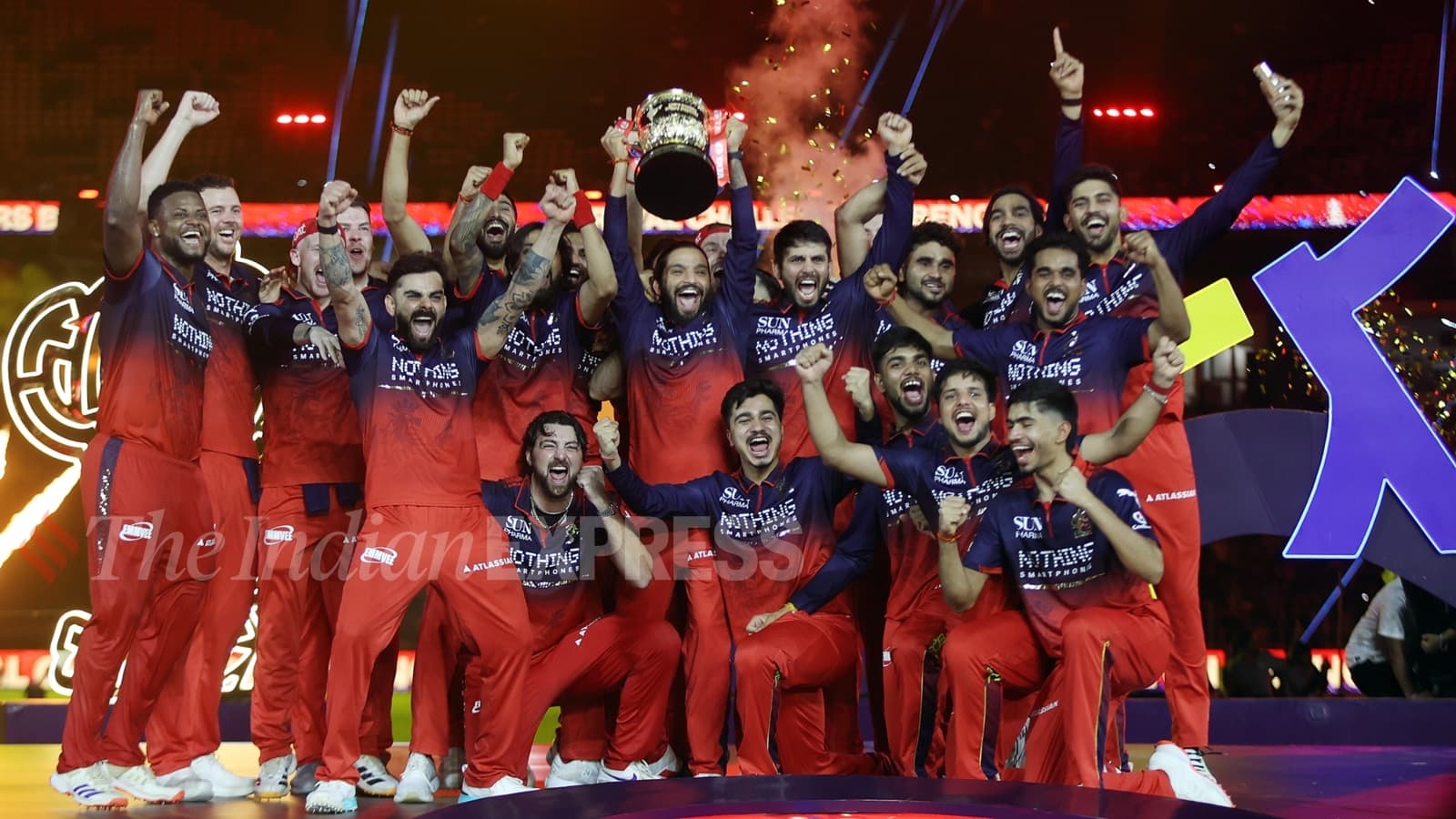
Rajat Patidar leads RCB to back-to-back IPL titles! Discover his leadership insights and goals for a historic third title in the upcoming season.
Indian Express
Gujarat Titans' Vikram Solanki reflects on their IPL 2026 final loss, acknowledging shortcomings and praising RCB's performance. What’s next for GT?
Indian Express
Virat Kohli and Anushka Sharma celebrate RCB's IPL 2026 victory with joy and emotion. Discover the highlights of this unforgettable night!
Indian Express