
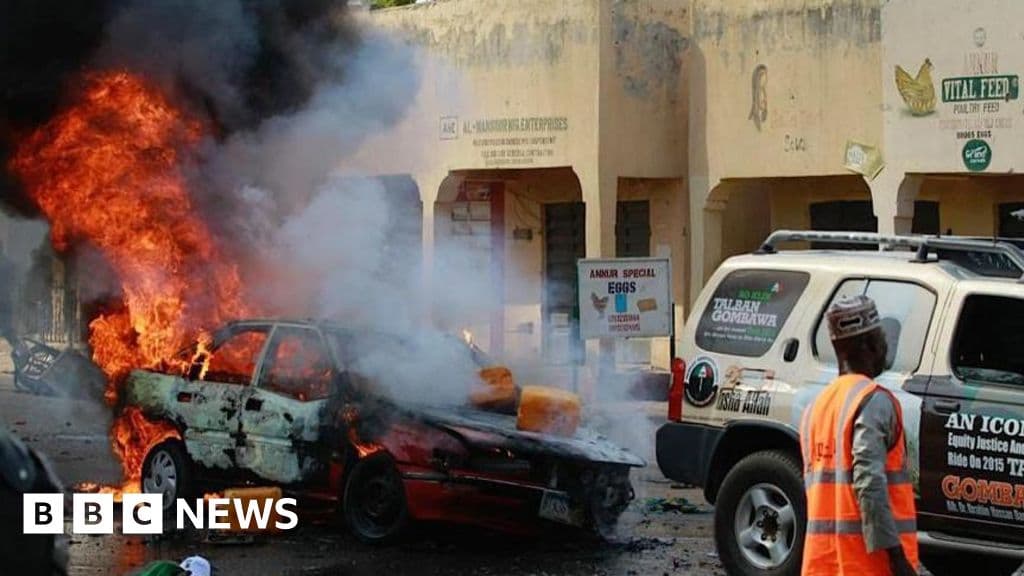
Image: BBC World
Nigeria's unprecedented mass trial of over 500 terrorism suspects begins, marking a critical step in the fight against Boko Haram and insecurity.
GlipzoIn a significant move towards addressing the ongoing security crisis, Nigeria has initiated the prosecution of over 500 individuals accused of involvement in terrorism. This unprecedented trial, one of the largest of its kind in the nation’s history, commenced on Tuesday in Abuja, the capital, where 227 suspects were formally charged before a panel of 10 judges. The charges primarily revolve around aiding and abetting terrorism, particularly in the northeast, where the violent insurgency led by the Boko Haram Islamist group began 17 years ago.
The situation in Nigeria has deteriorated over the years, with insecurity spreading beyond the northeast to various regions across the country. Rural communities have become increasingly vulnerable to a surge of militant groups and criminal gangs that often engage in kidnappings for ransom. This escalation in violence has resulted in hundreds of fatalities this year alone, highlighting the urgent need for decisive legal action.
The mass trial has drawn significant attention, not only from local authorities but also from international observers, human rights organizations, and the Nigerian Bar Association, all present to ensure transparency and due process during the proceedings. Security measures during the court sessions were notably stringent, with suspects transported in heavily guarded convoys under the watchful eyes of military, police, and intelligence operatives.
Among the accused, several have already accepted plea deals, receiving prison sentences ranging from seven to 20 years. Their guilty pleas included charges such as providing food, livestock, and vital information to militant factions. This initial phase of the trial is expected to set a precedent for how similar cases will be handled in the future.
Attorney General Lateef Fagbemi emphasized the government’s dedication to ensuring justice for those affected by terrorism. He stated, "The federal government is committed to ensuring that due process is followed while bringing those involved in terrorism to justice." This commitment is crucial, especially in a country where prosecutions for terror-related crimes have been notoriously low, with many suspects languishing in custody for years without trial.
Security expert Bashir Galma, a retired army major, has described the commencement of this trial as a positive development in Nigeria's ongoing battle against terrorism. He noted, "For years Nigerians have been complaining about why they keep these suspects in custody instead of making them face the law for what they are suspected of doing." Many families have suffered losses due to the violence, and this trial may offer some closure to those who have been affected.
This mass trial has broader implications beyond just the immediate legal proceedings. It serves to address longstanding public concerns about the handling of terrorism suspects in Nigeria. Previous rumors suggested that individuals arrested on terrorism charges were often released, allowing them to return to their criminal activities. Galma highlighted that the current trial could help dispel these narratives, fostering greater public trust in the legal system.
However, experts also caution that some defendants may be released due to the lengthy duration of their detention prior to trial. The judges are likely to consider the time already served when determining sentences, which could lead to the premature release of some accused individuals.
As this landmark trial unfolds, all eyes will be on the judicial system’s ability to deliver justice. The trial is expected to occur in phases, with each segment revealing more about the extent of the networks supporting terrorism in Nigeria. Observers will be closely monitoring the outcomes, particularly how the judicial process addresses the concerns of victims and their families.
The outcome of this mass trial could set a crucial precedent for future terrorism-related cases in Nigeria, potentially leading to more stringent measures against militants and their supporters. Law enforcement agencies and the government are likely to face increased pressure from both local and international communities to maintain momentum in their fight against terrorism.
In conclusion, the significance of this trial cannot be understated. As Nigeria aims to reclaim stability and security, the legal system's handling of these cases will play a pivotal role in shaping the nation's future landscape. The ongoing trials may be the first steps towards restoring public confidence in the government’s capability to combat terrorism effectively.
For continued updates on this unfolding story and more news from Nigeria and across Africa, visit BBCAfrica.com or follow us on Twitter @BBCAfrica and on Facebook at BBC Africa.
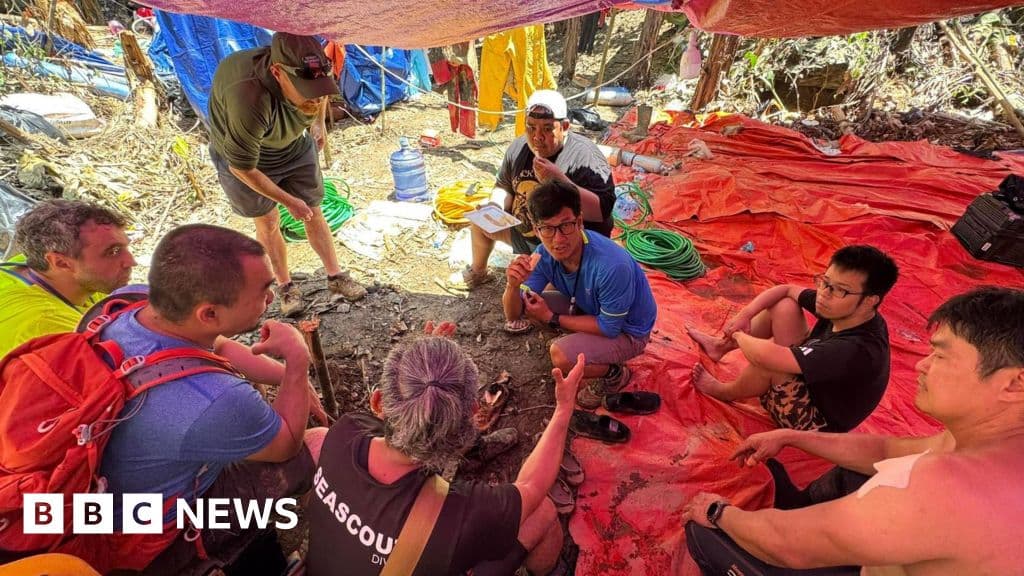
Survivors of the Laos cave rescue are aiding efforts to find the last two missing men trapped inside, sharing crucial insights for the search operation.
BBC World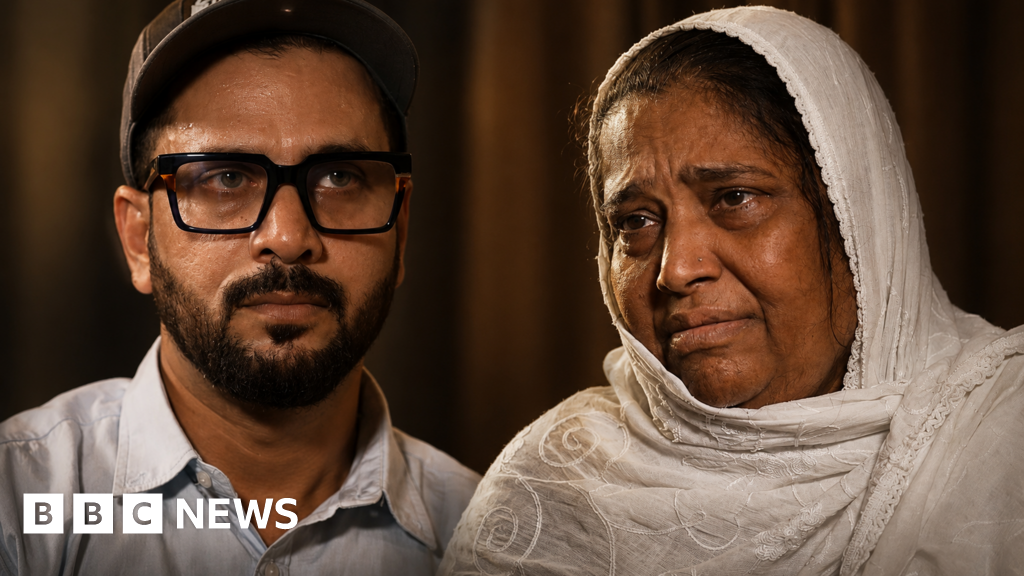
A year after the tragic Air India crash, the Ali family reflects on grief, unanswered questions, and the enduring bonds of love in the face of loss.
BBC Business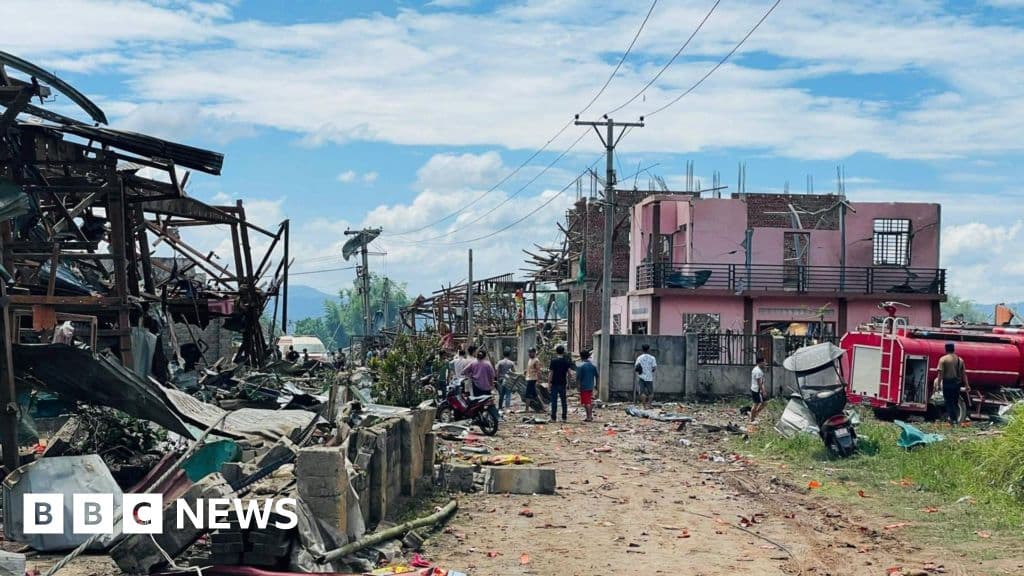
A devastating explosion in Myanmar's Kaung Tat village has killed at least 55 people, raising serious safety concerns and questions about civilian protection in conflict zones.
BBC World