
Glipzo
WorldTechnologyBusinessSportsEntertainmentScienceHealthPolitics
Glipzo
WorldTechnologyBusinessSportsEntertainmentScienceHealthPolitics
  1. Home
  2. /
  3. Politics
  4. /
  5. Nigeria Calls South African Envoy Amid Rising Attacks on Nationals
Nigeria Calls South African Envoy Amid Rising Attacks on Nationals

Image: BBC World

Politics
Monday, May 4, 20265 min read

Nigeria Calls South African Envoy Amid Rising Attacks on Nationals

Nigeria summons South African envoy over rising attacks on its nationals, signaling a critical diplomatic moment amidst growing anti-immigrant sentiment.

Glipzo News Desk|Source: BBC World
Share
Glipzo

Key Highlights

  • Nigeria expresses deep concern over attacks on its nationals in South Africa.
  • At least 6 foreign nationals have been killed in recent weeks.
  • Anti-immigrant protests are escalating, urging businesses to close.
  • Concerns grow among African migrants over safety and identity.
  • Diplomatic meeting could reshape Nigeria-South Africa relations.

In this article

  • Nigeria's Diplomatic Response to Recent Attacks In a significant diplomatic move, **Nigeria has summoned South Africa's acting High Commissioner** following a disturbing surge in attacks on its nationals within South Africa. The meeting, scheduled for **Monday**, aims to express Nigeria's **"profound concern"** over the recent incidents that have raised alarms about the safety of Nigerians abroad and the implications for bilateral relations. This summoning comes in light of **documented instances of harassment** and violence targeting not just Nigerians, but other foreign nationals as well.
  • Growing Violence Against Foreign Nationals Recent reports indicate that at least **two Nigerians and four Ethiopians** have lost their lives in violent incidents, with attacks extending to citizens from various other African nations. This alarming trend underscores the precarious situation for foreign nationals in South Africa, a country historically seen as a beacon of hope and opportunity for many across the continent.
  • The Roots of Anti-Immigrant Sentiment The sentiments driving these anti-immigrant protests are rooted in various socio-economic concerns. Many South Africans express frustrations that foreigners are illegally residing in the country, allegedly taking jobs from locals and contributing to crime, particularly in drug trafficking. This has led to a rise in **vigilante actions**, where groups are checking identification papers at public places such as hospitals and schools.
  • Personal Stories Reflecting the Crisis The impact of these protests is palpable among the foreign community. One security guard, unable to report to work due to the unrest, voiced concerns about the fear permeating their lives: **"It's just making us scared - imagine if we're scared in our own African continent - what if we go to Europe?"** These personal narratives reflect a broader crisis of identity and safety felt by many within the African diaspora in South Africa.
  • Historical Context and Current Dynamics The rise in anti-immigrant sentiment can be traced back to **earlier incidents** this year, including controversies surrounding the installation of the head of the Nigerian community in KuGompo, which some locals viewed as a challenge to their political power. This incident illustrates how cultural and political dynamics can feed into xenophobic attitudes, exacerbating the situation for migrants.
  • Why It Matters: The Broader Implications for Africa The ongoing violence against foreign nationals in South Africa not only endangers lives but also threatens the economic and social fabric of the region. This situation raises critical questions about **regional cooperation**, **human rights**, and the treatment of migrants across Africa. The diplomatic meeting between Nigeria and South Africa will be closely watched as both countries navigate the complexities of their relationship amidst rising tensions.

Nigeria's Diplomatic Response to Recent Attacks In a significant diplomatic move, **Nigeria has summoned South Africa's acting High Commissioner** following a disturbing surge in attacks on its nationals within South Africa. The meeting, scheduled for **Monday**, aims to express Nigeria's **"profound concern"** over the recent incidents that have raised alarms about the safety of Nigerians abroad and the implications for bilateral relations. This summoning comes in light of **documented instances of harassment** and violence targeting not just Nigerians, but other foreign nationals as well.

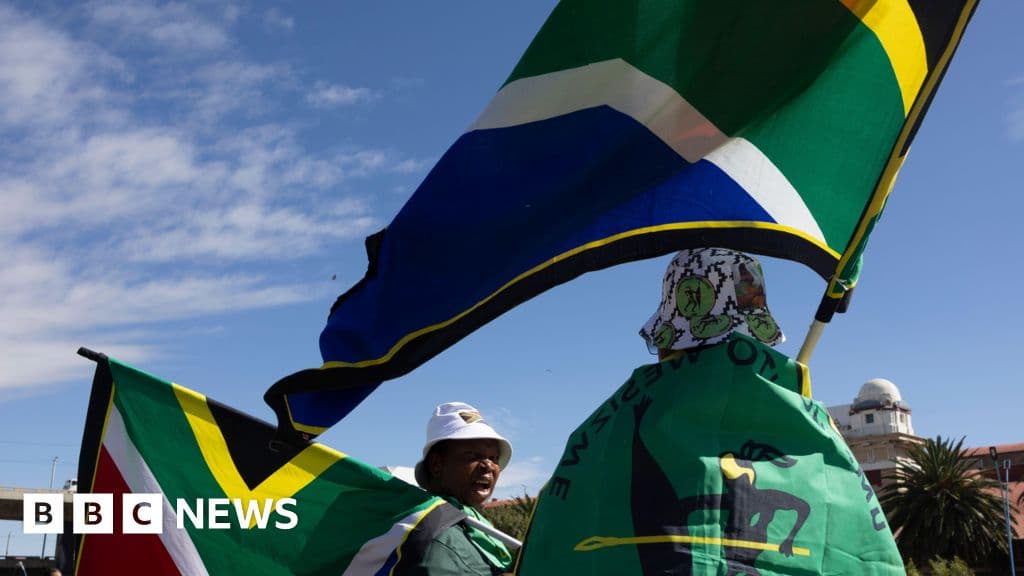
The Foreign Affairs Ministry's statement highlights the urgency of the situation, particularly in the context of recent demonstrations organized by anti-immigrant groups. These protests have been characterized by a rising tide of hostility towards foreigners, prompting fears among the African diaspora in South Africa.

Growing Violence Against Foreign Nationals Recent reports indicate that at least **two Nigerians and four Ethiopians** have lost their lives in violent incidents, with attacks extending to citizens from various other African nations. This alarming trend underscores the precarious situation for foreign nationals in South Africa, a country historically seen as a beacon of hope and opportunity for many across the continent.

South Africa, as the most industrialized nation in Africa, has long attracted migrants seeking better employment opportunities. However, amid the ongoing violence, local sentiments have shifted. President Cyril Ramaphosa has publicly condemned these attacks but has also urged foreign nationals to adhere to South African laws, reflecting a complex balance between national security and hospitality.

The Roots of Anti-Immigrant Sentiment The sentiments driving these anti-immigrant protests are rooted in various socio-economic concerns. Many South Africans express frustrations that foreigners are illegally residing in the country, allegedly taking jobs from locals and contributing to crime, particularly in drug trafficking. This has led to a rise in **vigilante actions**, where groups are checking identification papers at public places such as hospitals and schools.

During a recent protest in Pretoria, demonstrators encouraged foreign-owned businesses to shut down in anticipation of potential violence. A Nigerian who spoke to BBC Pidgin expressed a shared sense of brotherhood among Africans, stating, "It is not okay because we are blacks, we are brothers... everybody comes here just to survive." Such sentiments illustrate the deep cultural ties that exist across the continent, despite the rising tensions.

Personal Stories Reflecting the Crisis The impact of these protests is palpable among the foreign community. One security guard, unable to report to work due to the unrest, voiced concerns about the fear permeating their lives: **"It's just making us scared - imagine if we're scared in our own African continent - what if we go to Europe?"** These personal narratives reflect a broader crisis of identity and safety felt by many within the African diaspora in South Africa.

Last month, Ghana summoned South Africa's top envoy in response to a viral video showing a Ghanaian man being asked to prove his immigration status. Such events have intensified the scrutiny on South Africa's treatment of foreign nationals, further straining diplomatic ties within the continent.

Historical Context and Current Dynamics The rise in anti-immigrant sentiment can be traced back to **earlier incidents** this year, including controversies surrounding the installation of the head of the Nigerian community in KuGompo, which some locals viewed as a challenge to their political power. This incident illustrates how cultural and political dynamics can feed into xenophobic attitudes, exacerbating the situation for migrants.

In total, South Africa is home to approximately 2.4 million migrants, making up nearly 4% of its population. However, many more are believed to be living in the country without official documentation, primarily from neighboring countries such as Lesotho, Zimbabwe, and Mozambique. While migrants from these areas historically contributed labor to South Africa, the current climate poses significant challenges to their safety and integration.

Why It Matters: The Broader Implications for Africa The ongoing violence against foreign nationals in South Africa not only endangers lives but also threatens the economic and social fabric of the region. This situation raises critical questions about **regional cooperation**, **human rights**, and the treatment of migrants across Africa. The diplomatic meeting between Nigeria and South Africa will be closely watched as both countries navigate the complexities of their relationship amidst rising tensions.

As regional leaders convene to address these pressing issues, the future of African unity and collaboration hangs in the balance. Will this meeting pave the way for improved relations and enhanced protections for citizens abroad, or will it exacerbate existing divides? The coming days will be critical in shaping the narrative of African solidarity and the safety of all its citizens.

By addressing these challenges head-on, there is hope for fostering a more inclusive environment that respects the rights and contributions of all Africans, regardless of nationality. The world will be watching closely as Nigeria and South Africa engage in this crucial dialogue.

Did you find this article useful? Share it!

Share

Related Articles

Critical Air Strikes Erupt Between US and Iran in Gulf Region
Politics
Jun 1, 2026

Critical Air Strikes Erupt Between US and Iran in Gulf Region

Tensions soar as the US and Iran engage in air strikes near the Strait of Hormuz, raising concerns over global oil supply and regional stability.

BBC World

Trump Faces Stalemate in International Military Strategy
Politics
Jun 1, 2026

Trump Faces Stalemate in International Military Strategy

Trump's international interventions face serious stalemates. What will this mean for U.S. foreign policy? Explore the critical challenges ahead.

Indian Express

Tehran Denies Rumors of President Pezeshkian’s Resignation
Politics
Jun 1, 2026

Tehran Denies Rumors of President Pezeshkian’s Resignation

Tehran denies resignation of President Masoud Pezeshkian amid claims of IRGC influence. What does this mean for Iran's political stability? Click to learn more!

Indian Express

Categories

  • World
  • Technology
  • Business
  • Sports

More

  • Entertainment
  • Science
  • Health
  • Politics

Explore

  • Web Stories
  • About Us
  • Contact

Legal

  • Privacy Policy
  • Terms of Service
  • Disclaimer

© 2026 Glipzo. All rights reserved.