
Image: BBC Health
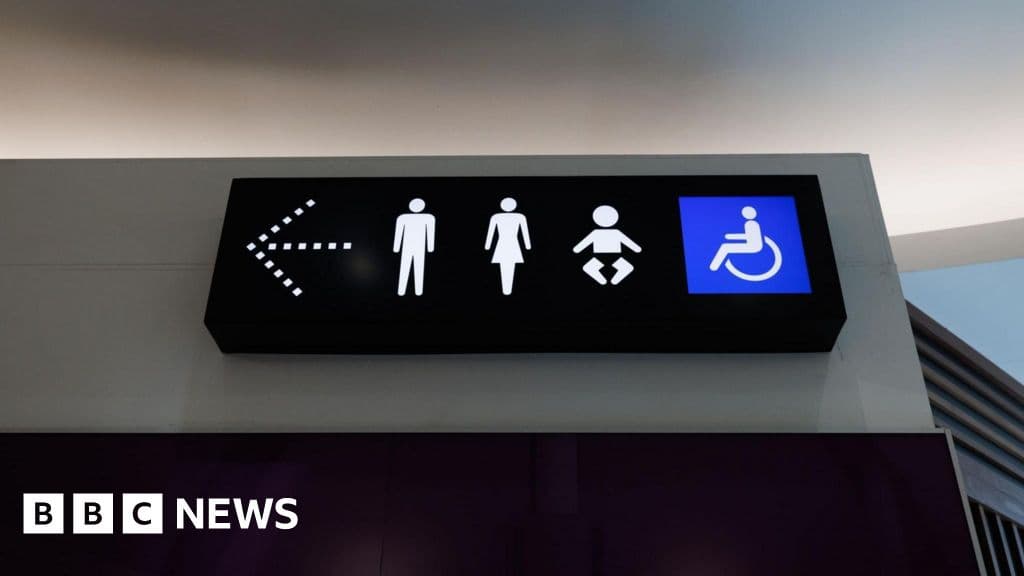
The EHRC's new guidance mandates that toilets be used based on biological sex, sparking discussions on gender identity and public access. What’s next?
GlipzoIn a significant development regarding gender and public facilities, the Equalities and Human Rights Commission (EHRC) has released new guidance confirming that single-sex spaces like toilets and changing rooms must be utilized based on biological sex. This directive clarifies that individuals who identify as transgender, such as trans women (biological males identifying as women), should not access female-designated areas.
This ruling, approved by government ministers, emphasizes that transgender individuals should be provided with alternative options, such as gender-neutral facilities. The guidance aims to ensure that all individuals can access necessary services without discrimination while maintaining the integrity of single-sex areas.
The new code of practice stems from a landmark Supreme Court ruling last year, which established that the definition of a woman under the Equality Act should align with biological sex. This clarification has sparked widespread discussion and debate, as it impacts various public spaces, including shopping centers, gyms, hospitals, and restaurants.
Bridget Phillipson, the Women and Equalities Minister, articulated the government's intentions behind this guidance, stating that it seeks to empower individuals to live free from discrimination and harassment. She emphasized that the focus is on providing organizations with clear and accessible instructions for complying with the law.
Key recommendations from the guidance include: - Gender-neutral toilets should feature self-contained, lockable areas with floor-to-ceiling walls and wash basins. - Services are encouraged to allow transgender individuals to use facilities designated for disabled individuals as a temporary measure. - Organizations with only two toilets (male and female) are encouraged to consider converting them into unisex facilities.
The EHRC's stance is that these requirements should not impose an undue burden on public services, which have the flexibility to adapt their facilities as needed.
The newly released guidance, encompassing over 300 pages, is currently under parliamentary review. Lawmakers have a 40-day window to express any concerns. If no objections arise, the guidance will become statutory law. The process has been notably slow, with the initial draft submitted to the government in September 2025. The government took eight months to finalize the guidance, which has drawn criticism for its lengthy delay.
Dr. Mary-Ann Stephenson, chair of the EHRC, called for an open-minded approach to the code, emphasizing the need for a balanced discussion that prioritizes access to services while respecting the needs of varied populations.
The impact of this guidance has been a topic of concern for many, particularly among transgender individuals. Clare Reddington, chief executive of the Watershed arts cinema in Bristol, expressed disappointment over the prolonged wait for this guidance, which led to considerable confusion and misinformation. She described the atmosphere surrounding trans rights as toxic, underscoring the emotional toll on those waiting for clarity on their rights in public spaces.
The Watershed has taken proactive measures by providing gender-neutral toilets, which have been recognized with a Loo of the Year award in 2024. Reddington asserts that inclusive design not only benefits individuals but can also enhance business performance.
Conversely, Maya Forstater of the Sex Matters group welcomed the guidance, stating it provides a clear directive for both public and private organizations that have hesitated to align their policies with the law due to fears of backlash from advocacy groups. She emphasized that the essence of the guidance is straightforward: 'sex' means male and female.
The implications of this guidance extend beyond mere compliance; they touch on broader societal issues regarding gender identity, civil rights, and the ongoing discourse surrounding inclusivity in public spaces. As organizations begin to implement these recommendations, the potential for conflict between trans rights and women's rights may arise, requiring continued dialogue and negotiation.
As this situation unfolds, it will be crucial to monitor how businesses adapt their facilities, how communities react, and whether further legal challenges will emerge. The next few months will provide insight into how this guidance affects public sentiment and practices, and whether it will lead to a more nuanced understanding of gender in society.
In conclusion, the EHRC's guidance represents a pivotal moment in the conversation about gender, access, and rights in public facilities. Stakeholders from all sides of the issue will need to engage thoughtfully as we navigate a future where inclusivity and respect for individual rights must coexist.

Tensions soar as the US and Iran engage in air strikes near the Strait of Hormuz, raising concerns over global oil supply and regional stability.
BBC World
Trump's international interventions face serious stalemates. What will this mean for U.S. foreign policy? Explore the critical challenges ahead.
Indian Express
Tehran denies resignation of President Masoud Pezeshkian amid claims of IRGC influence. What does this mean for Iran's political stability? Click to learn more!
Indian Express