
Image: BBC Business
Discover the EU's new travel rules requiring fingerprints and photos at borders, aimed at enhancing security and streamlining travel across Europe.
GlipzoThe European Union has officially launched a new digital border system that mandates the collection of fingerprints and photographs from travelers alongside passport scans. This significant shift aims to enhance security and streamline the travel experience across the Schengen Area. As of Friday, the Entry/Exit System (EES) is set to be operational at every border crossing in all 29 participating countries.
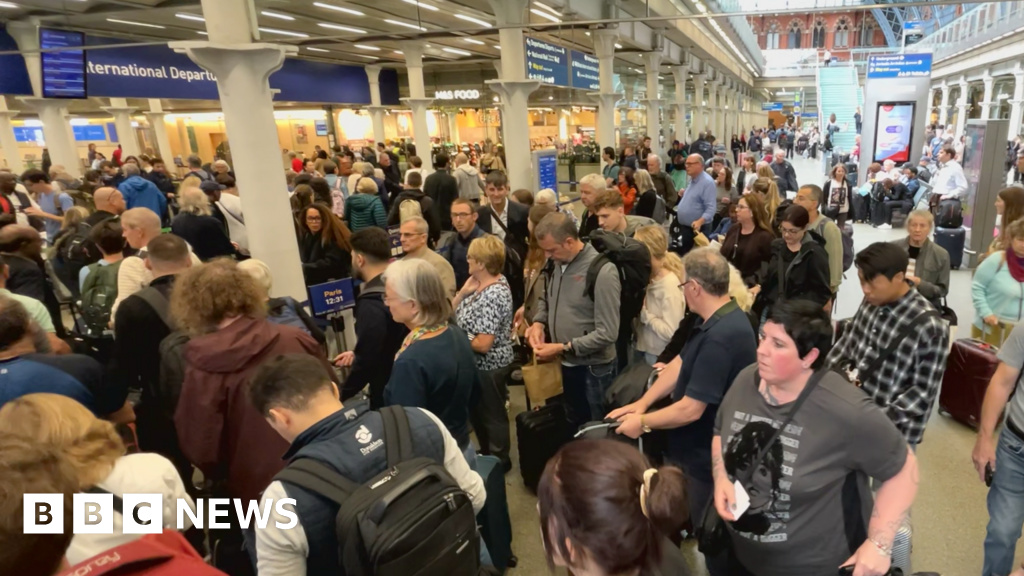
The EES initiative began its gradual rollout on October 12, with the goal of fully implementing the system within six months. While this move is designed to bolster border security, travelers may face delays, particularly during busy holiday periods. Some airports in Europe have already reported lengthy queues, indicating potential challenges as the system is fully integrated.
The Entry/Exit System is a digital solution that tracks the entry and exit of non-EU citizens, including visitors from the UK. This system covers 29 European countries, primarily within the EU, allowing travelers to navigate these nations without traditional border checks. Destinations included in this system are popular among UK travelers, such as France, Spain, Portugal, Italy, and Greece.
Under the EES, travelers will be required to register their biometric information—specifically, their fingerprints and a digital photo. This new protocol will eventually replace the traditional method of passport stamping by border officials. The registration process will vary based on the traveler’s mode of entry; airport arrivals will register upon landing, while those traveling by ferry or train will do so as they depart the UK.
Despite the intended benefits of the EES, the introduction has not been without its challenges. Many travelers have encountered hours-long queues at certain airports, raising concerns about the efficiency of the new system. Geneva, a popular ski destination, has experienced significant delays earlier this year due to the EES rollout, illustrating the growing pains associated with this transition.
Travel experts have pointed out that IT issues have plagued the system at various points, leading to confusion and frustration among travelers who struggle to navigate the new procedures. The European Commission has indicated that, in response to these challenges, EES checks may be temporarily suspended during peak travel times to alleviate congestion, at least until September.
As the EES goes live, not every airport in Europe will be ready to implement the system simultaneously. Notably, major airports in Milan and Lisbon will not be participating in the initial rollout. Travelers from most non-EU countries will need to register their biometric data at their destination airport, while those using the Eurotunnel or ferry services will complete the process prior to departure from the UK.
Upon approaching the new system, travelers will interact with specialized kiosks designed to scan passports, capture fingerprints, and take photos. Children under 12 years old are exempt from fingerprinting, ensuring a smoother process for families. In addition, kiosks will prompt travelers with questions regarding their trip, such as accommodation details and financial preparedness, although Eurotunnel border officers will administer these inquiries on a discretionary basis.
Once registered, the biometric details collected under the EES will remain valid for a period of three years, during which point the information will be verified on subsequent trips. For ferry passengers at Dover, the new system has already been partially implemented since October, although vehicle traffic is still awaiting a confirmed launch date.
At Eurostar's London St Pancras terminal and the port of Dover, the EES introduction has necessitated significant changes to infrastructure. At Dover, for instance, the port has expanded its area to accommodate the new processing requirements, moving the French border control to a designated processing building, which is approximately a mile from the ferry terminal.
The launch of the EES marks a critical juncture for travel within Europe, particularly in how it enhances security measures while aiming to facilitate smoother transit for travelers. Amidst the challenges posed by implementation, it is essential for travelers to remain informed about the new procedures to minimize potential delays.
As the system continues to roll out, travelers should keep an eye on updates from the European Commission and local airports regarding operational changes and any temporary suspension of EES checks during busy periods. The ongoing adjustments will significantly impact how millions navigate travel across Europe, particularly during peak seasons.
Moving forward, all eyes will be on the overall effectiveness of the EES and its ability to reduce wait times and streamline the travel experience across the Schengen Area. As airports and border control agencies adapt to these new protocols, it’s clear that the future of travel in Europe will be shaped by these innovative technologies. Travelers should prepare for possible adjustments and remain adaptable as the system evolves.
In conclusion, while the implementation of the EES aims to secure borders and improve travel efficiency, it also brings challenges that both travelers and authorities must navigate carefully. The next few months will be crucial in determining the long-term success of this ambitious initiative.

Survivors of the Laos cave rescue are aiding efforts to find the last two missing men trapped inside, sharing crucial insights for the search operation.
BBC World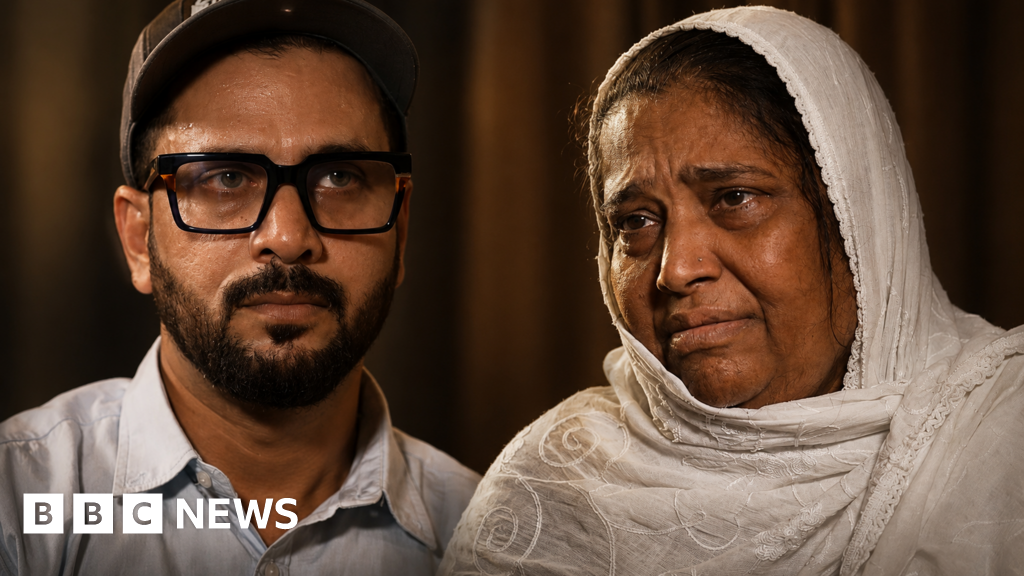
A year after the tragic Air India crash, the Ali family reflects on grief, unanswered questions, and the enduring bonds of love in the face of loss.
BBC Business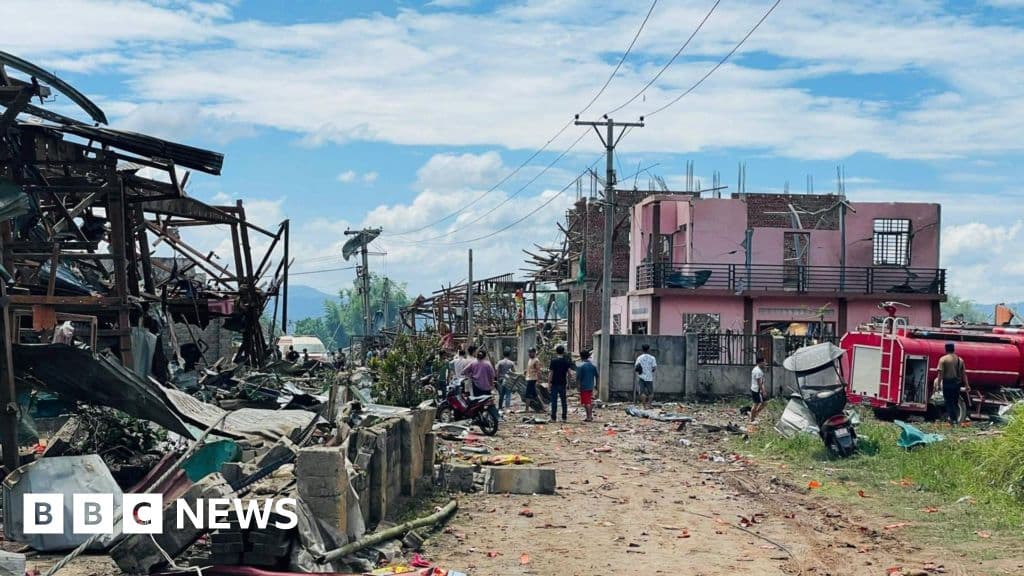
A devastating explosion in Myanmar's Kaung Tat village has killed at least 55 people, raising serious safety concerns and questions about civilian protection in conflict zones.
BBC World