Glipzo
WorldTechnologyBusinessSportsEntertainmentScienceHealthPolitics
Glipzo
WorldTechnologyBusinessSportsEntertainmentScienceHealthPolitics
  1. Home
  2. /
  3. Entertainment
  4. /
  5. New AI Tool Sparks Debate in Video Game Preservation Community
New AI Tool Sparks Debate in Video Game Preservation Community

Image: Ars Technica

Entertainment
Monday, March 16, 20265 min read

New AI Tool Sparks Debate in Video Game Preservation Community

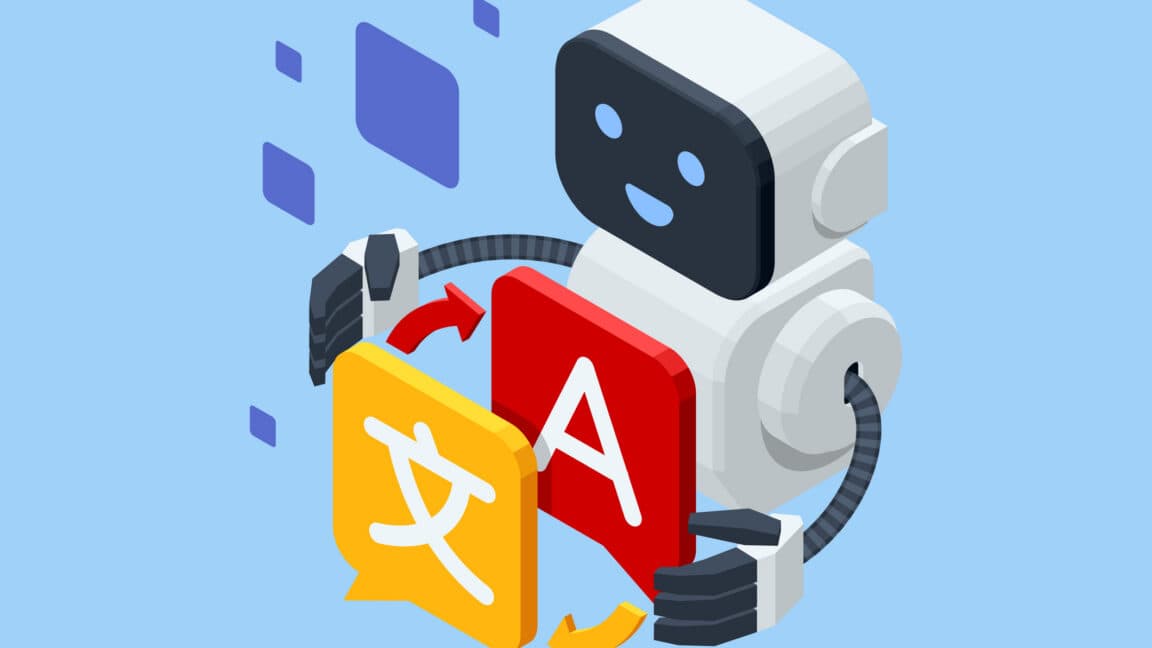
AI translation tool sparks controversy in gaming preservation. Discover the implications for the community and what's next for Gaming Alexandria.

Glipzo News Desk|Source: Ars Technica
Share
Glipzo

Key Highlights

  • New AI tool ignites debate in video game preservation community!
  • Dustin Hubbard apologizes for backlash over AI translation use.
  • Gaming Alexandria faces ethical questions on funding and AI.
  • Community divided on the role of AI in preserving gaming history.

In this article

  • Introduction: AI Translations Create Controversy in Gaming The recent launch of an AI translation tool called **Gaming Alexandria Researcher** has ignited a heated debate within the video game preservation community. Developed by coder **Dustin Hubbard**, this innovative tool employs AI technology to streamline the translation of Japanese gaming magazines. However, the enthusiastic response was met with backlash, leading to Hubbard's public apology just a day after the tool's debut. This incident underscores the complexities and divisions that AI applications can evoke, even in niche communities dedicated to preserving gaming history.
  • What is Gaming Alexandria? Founded in **2015**, **Gaming Alexandria** has established itself as an essential resource for those interested in video game history. The platform acts as a comprehensive database, featuring a vast array of resources, including: - High-quality scans of box art - Rare video game prototypes - Classic BASIC programs published in magazines - An extensive collection of Japanese gaming magazine scans, some dating back to the **1970s**.
  • The Launch and Immediate Backlash Despite the promising premise, the announcement of the Gaming Alexandria Researcher was met with immediate criticism. Many community members raised concerns about the ethical implications of using **Patreon funds** for an AI-driven project, particularly one that could produce unreliable translations. Within a day of its launch, Hubbard felt compelled to issue an apology, acknowledging the community's apprehensions and emphasizing his commitment to preserving access to historical gaming content.
  • The Promise of AI Translation Hubbard's project aimed to make it easier for enthusiasts and researchers to engage with Japanese gaming history. He described the AI-generated translations as a significant leap forward, stating that the tool could get users “a large percentage of the way there quickly.” While he acknowledged the importance of human translators for accuracy, the AI tool offers a rapid means of gaining insights into the original material.
  • Community Reaction and Consequences The backlash against the Gaming Alexandria Researcher reveals deeper concerns within the gaming preservation community regarding the role of AI in translation and historical documentation. **Max Nichols**, a game designer and historian, voiced his disappointment in a widely shared social media post, stating, “I’m very, very disappointed to see [Gaming Alexandria], one of the foremost organizations for preserving game history, promoting the use of AI translation and using Patreon funds to pay for AI licenses.”
  • The Ethical Dilemma of AI in Preservation This incident raises important questions about the ethical implications of using AI in historical preservation. On one hand, AI tools like Gaming Alexandria Researcher can make previously inaccessible materials available to a broader audience. On the other, the potential for inaccuracies and the philosophical debate over the value of human translation create a complex landscape.
  • What Lies Ahead for Gaming Alexandria As the debate continues, the future of the Gaming Alexandria Researcher remains uncertain. **Dustin Hubbard** has expressed a commitment to refining the AI tool and addressing community concerns. Moving forward, the organization may need to consider the following: - **Community Engagement**: Actively involve community members in discussions about the use of AI and funding allocations to foster transparency and trust. - **Quality Control**: Establish guidelines for verifying AI-generated translations to ensure that they meet the standards expected by researchers and enthusiasts alike. - **Alternative Funding Models**: Explore additional funding sources to minimize reliance on Patreon for technology-driven projects.
  • Conclusion: Navigating the Future of Game Preservation The introduction of AI tools like the Gaming Alexandria Researcher presents both exciting opportunities and significant challenges for the video game preservation community. As conversations around this technology evolve, it is crucial for organizations like Gaming Alexandria to navigate these waters carefully, balancing innovation with the ethical implications of their choices. The outcome of this debate will likely shape the future of preservation efforts, influencing how history is documented and shared in the digital age.

Introduction: AI Translations Create Controversy in Gaming The recent launch of an AI translation tool called **Gaming Alexandria Researcher** has ignited a heated debate within the video game preservation community. Developed by coder **Dustin Hubbard**, this innovative tool employs AI technology to streamline the translation of Japanese gaming magazines. However, the enthusiastic response was met with backlash, leading to Hubbard's public apology just a day after the tool's debut. This incident underscores the complexities and divisions that AI applications can evoke, even in niche communities dedicated to preserving gaming history.

What is Gaming Alexandria? Founded in **2015**, **Gaming Alexandria** has established itself as an essential resource for those interested in video game history. The platform acts as a comprehensive database, featuring a vast array of resources, including: - High-quality scans of box art - Rare video game prototypes - Classic BASIC programs published in magazines - An extensive collection of Japanese gaming magazine scans, some dating back to the **1970s**.

Hubbard's aim with the Gaming Alexandria Researcher was to enhance accessibility to these valuable resources. Through the use of the Google Gemini AI model, he was able to generate translations of the text extracted from scanned magazines, which could potentially aid Western researchers in their studies. In his initial announcement, Hubbard expressed excitement about the tool's capabilities, indicating that it could significantly expedite the translation process.

The Launch and Immediate Backlash Despite the promising premise, the announcement of the Gaming Alexandria Researcher was met with immediate criticism. Many community members raised concerns about the ethical implications of using **Patreon funds** for an AI-driven project, particularly one that could produce unreliable translations. Within a day of its launch, Hubbard felt compelled to issue an apology, acknowledging the community's apprehensions and emphasizing his commitment to preserving access to historical gaming content.

In his apology, Hubbard stated, “I sincerely apologize. My entire preservation philosophy has been to get people access to things we’ve never had access to before. I felt this project was a good step towards that, but I should have taken more into consideration the issues with AI.” His words reflect the tension between innovation and ethical responsibility in the digital age.

The Promise of AI Translation Hubbard's project aimed to make it easier for enthusiasts and researchers to engage with Japanese gaming history. He described the AI-generated translations as a significant leap forward, stating that the tool could get users “a large percentage of the way there quickly.” While he acknowledged the importance of human translators for accuracy, the AI tool offers a rapid means of gaining insights into the original material.

The Gaming Alexandria Researcher is designed to run on various operating systems, including Windows, Mac, and Linux. Its features allow users to: - Search through and download files from the cloud - Edit documents with AI-generated text translations for easy comparison - Sort local files stored on personal machines

Hubbard also noted that the cost of processing translations is relatively low, estimating expenses to be between 50 cents and $1.50 per magazine, depending on size. This affordability could make it an appealing option for a resource-limited community.

Community Reaction and Consequences The backlash against the Gaming Alexandria Researcher reveals deeper concerns within the gaming preservation community regarding the role of AI in translation and historical documentation. **Max Nichols**, a game designer and historian, voiced his disappointment in a widely shared social media post, stating, “I’m very, very disappointed to see [Gaming Alexandria], one of the foremost organizations for preserving game history, promoting the use of AI translation and using Patreon funds to pay for AI licenses.”

Nichols's reaction highlights a significant divide: while some see the potential benefits of AI tools in enhancing access to historical materials, others fear that reliance on such technologies undermines the integrity of preservation efforts. Following the backlash, Nichols deleted his statement, citing discomfort with the scale of the community's response.

The Ethical Dilemma of AI in Preservation This incident raises important questions about the ethical implications of using AI in historical preservation. On one hand, AI tools like Gaming Alexandria Researcher can make previously inaccessible materials available to a broader audience. On the other, the potential for inaccuracies and the philosophical debate over the value of human translation create a complex landscape.

Furthermore, concerns regarding the use of Patreon funds—which are typically meant to support community-driven initiatives—add another layer of complexity. The preservation community is tasked with finding a balance between leveraging new technologies and maintaining the standards of authenticity and accuracy that are crucial to their mission.

What Lies Ahead for Gaming Alexandria As the debate continues, the future of the Gaming Alexandria Researcher remains uncertain. **Dustin Hubbard** has expressed a commitment to refining the AI tool and addressing community concerns. Moving forward, the organization may need to consider the following: - **Community Engagement**: Actively involve community members in discussions about the use of AI and funding allocations to foster transparency and trust. - **Quality Control**: Establish guidelines for verifying AI-generated translations to ensure that they meet the standards expected by researchers and enthusiasts alike. - **Alternative Funding Models**: Explore additional funding sources to minimize reliance on Patreon for technology-driven projects.

Conclusion: Navigating the Future of Game Preservation The introduction of AI tools like the Gaming Alexandria Researcher presents both exciting opportunities and significant challenges for the video game preservation community. As conversations around this technology evolve, it is crucial for organizations like Gaming Alexandria to navigate these waters carefully, balancing innovation with the ethical implications of their choices. The outcome of this debate will likely shape the future of preservation efforts, influencing how history is documented and shared in the digital age.

With the preservation community at a crossroads, it will be important to monitor how Gaming Alexandria and similar organizations adapt to these challenges in the coming months. Will they find a way to harness AI's potential while maintaining their commitment to authenticity? Only time will tell.

Did you find this article useful? Share it!

Share

Related Articles

Major Move: Allu Arjun May Relocate for Atlee's Raaka
Entertainment
Apr 20, 2026

Major Move: Allu Arjun May Relocate for Atlee's Raaka

Allu Arjun may relocate to Mumbai for Atlee's film Raaka, raising excitement as Deepika Padukone joins the project. What does this mean for their careers?

Bollywood Hungama
Janhvi Kapoor's Stunning Switzerland Photos Spark Celebrity Buzz
Entertainment
Apr 20, 2026

Janhvi Kapoor's Stunning Switzerland Photos Spark Celebrity Buzz

Janhvi Kapoor captivates fans with stunning Switzerland vacation photos. Discover her fashion choices and celebrity reactions that have everyone talking!

Bollywood Hungama
Major Revelations as Riteish Deshmukh, Abhishek Bachchan Shine on Bigg Boss Marathi 6
Entertainment
Apr 20, 2026

Major Revelations as Riteish Deshmukh, Abhishek Bachchan Shine on Bigg Boss Marathi 6

Riteish Deshmukh and Abhishek Bachchan reveal major details about 'Raja Shivaji' on Bigg Boss Marathi 6. Salman Khan's involvement stirs excitement!

Bollywood Hungama

Categories

  • World
  • Technology
  • Business
  • Sports

More

  • Entertainment
  • Science
  • Health
  • Politics

Explore

  • Web Stories
  • About Us
  • Contact

Legal

  • Privacy Policy
  • Terms of Service

© 2026 Glipzo. All rights reserved.