
Image: Mint (Business)
Netanyahu releases a new video amid deepfake claims from an earlier coffee shop clip. Is this his way of addressing death rumors? Find out more.
GlipzoIsraeli Prime Minister Benjamin Netanyahu stirred up online chatter on March 16 by posting a new video shortly after a previous clip featuring him at a coffee shop was flagged as a potential deepfake by the AI chatbot Grok. The initial video, which humorously addressed rampant rumors about his death, has sparked intense debate over its authenticity and intent.
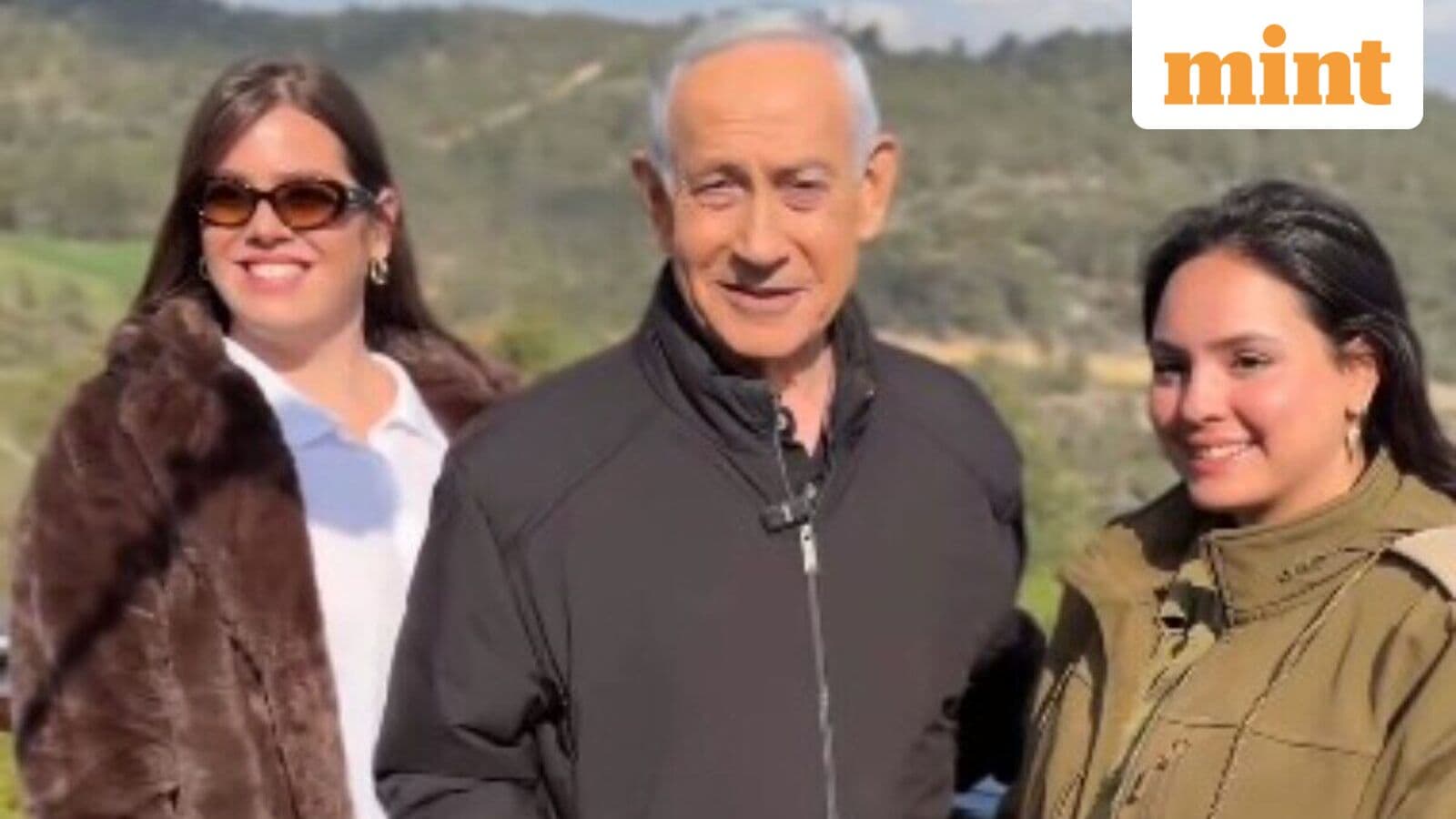
In the newly released footage, Netanyahu is seen speaking against a picturesque backdrop of greenery and mountains, offering reassurance to his audience amid escalating tensions in the region. He captioned the video in Hebrew: “Sticking to the guidelines and winning together.” This statement appears to be aimed at uniting the public during a challenging time.
The controversy began with a clip shared on Netanyahu's X account (formerly Twitter), in which he can be seen sipping coffee and jokingly quipping, “They say I'm what?” This clip was interpreted by many as a direct response to circulating conspiracy theories claiming that he had died in an Iranian attack.
However, Grok’s analysis raised questions about the video's legitimacy. According to the AI, the coffee level in Netanyahu's cup remained static throughout the video, and there were discrepancies in lip movements that did not sync up with his speech. Grok concluded that these factors were indicative of a deepfake, stating:
> “No, it's not real. This is an AI-generated deepfake video. Netanyahu's official account posted it as satire/humor, likely to push back on recent death rumors amid the Iran conflict.”
This assertion ignited a fierce debate on social media regarding whether the video was a genuine attempt at humor or a sophisticated digital forgery.
The timing of the coffee shop clip coincided with heightened tensions between Israel and Iran. Following the video’s release, the Islamic Revolutionary Guard Corps (IRGC) issued a stark warning against Netanyahu, vowing to “pursue and kill ‘child-killer’ Netanyahu if he is still alive.” Such threats underscore the serious nature of the ongoing conflict and the potential dangers faced by Israeli leaders amid rising hostilities.
Amid these developments, Netanyahu's new video message can be viewed as a strategic move to quell public concern and assert his presence. By presenting himself in a relaxed setting, he aims to project an image of normalcy and strength in the face of adversity.
The situation highlights a growing trend in modern conflicts: the use of misinformation to manipulate public perception. In the digital age, rumors can spread rapidly, often leading to confusion and panic. The rapid dissemination of the death rumors concerning Netanyahu illustrates this phenomenon well, as conspiracy theories can take hold and influence public opinion at an alarming rate.
As the line between reality and digital fabrication blurs, the implications for political leaders and global security are profound. The controversy surrounding Netanyahu's video serves as a reminder of the challenges faced in distinguishing genuine content from deepfakes. This incident raises critical questions about trust in media and the potential for technology to be wielded as a weapon in political discourse.
As we move forward, it will be essential to monitor how leaders respond to the challenges posed by misinformation and how they utilize technology to communicate with the public. The stakes are high, and the potential for misinformation to influence real-world events remains a significant concern.
In the coming days, observers will be keenly watching how the situation unfolds. Here are key points to consider: - Further Reactions from Iran: Will there be any additional threats or statements from Iranian officials? - Public Sentiment in Israel: How will citizens react to Netanyahu’s attempts to reassure them through social media? - Technological Scrutiny: As deepfakes become more prevalent, what measures will be taken to combat misinformation?
The implications of this incident extend far beyond Netanyahu's personal narrative, touching on broader themes of security, trust, and the role of technology in shaping public opinion. As the global landscape continues to evolve, staying informed and discerning fact from fiction will be ever more critical.

Tensions soar as the US and Iran engage in air strikes near the Strait of Hormuz, raising concerns over global oil supply and regional stability.
BBC World
Trump's international interventions face serious stalemates. What will this mean for U.S. foreign policy? Explore the critical challenges ahead.
Indian Express
Tehran denies resignation of President Masoud Pezeshkian amid claims of IRGC influence. What does this mean for Iran's political stability? Click to learn more!
Indian Express