
Image: BBC World
Netanyahu announces direct talks with Lebanon amid ongoing conflict. Will these negotiations lead to peace or further escalation? Click to find out.
GlipzoIn a significant development on Thursday, Israeli Prime Minister Benjamin Netanyahu announced that his government would commence direct discussions with Lebanon. This move aims to address critical issues surrounding the disarmament of Hezbollah, the Iranian-backed militant group, and to foster peaceful relations between the two nations. The announcement has stirred mixed reactions, given the volatile situation that has persisted for weeks.
The U.S. State Department has confirmed its role as a facilitator of the upcoming talks, set to take place next week. This meeting is expected to center around ongoing ceasefire negotiations. Consequently, tensions remain high, as Lebanon's officials have called for a ceasefire prior to any dialogue. However, Netanyahu made it clear in his address to residents of northern Israel that, "There is no ceasefire in Lebanon."
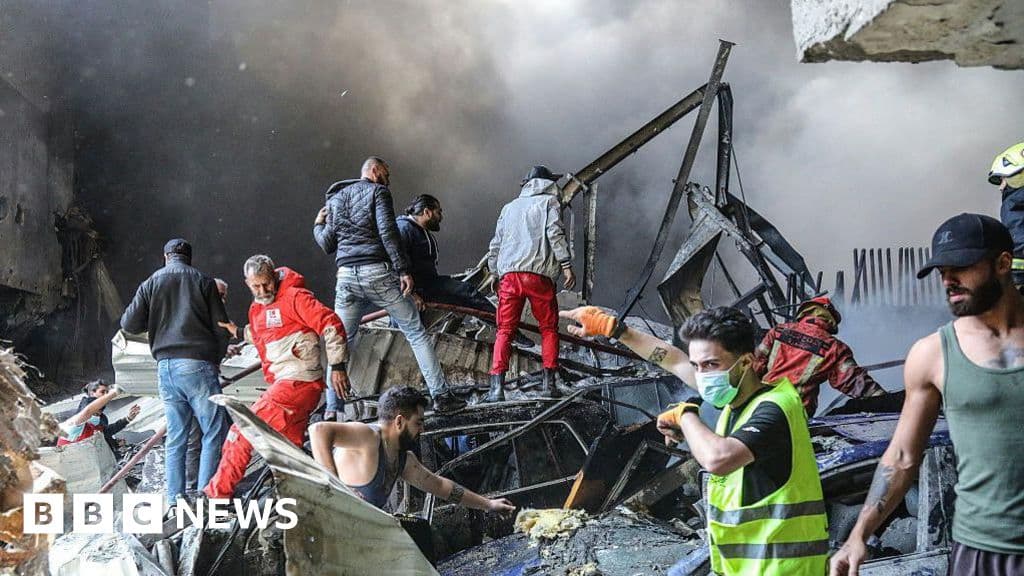
As diplomatic efforts begin, the Israeli military has not scaled back its operations. On Thursday, they continued to target what they described as Hezbollah rocket launch sites in southern Lebanon. This military action has led to new evacuation warnings for residents in the southern suburbs of Beirut.
Tedros Adhanom Ghebreyesus, the head of the World Health Organization (WHO), expressed grave concerns regarding the humanitarian crisis unfolding in the Jnah area of Beirut. He reported that two major hospitals are located in the evacuation zone and lack alternative facilities to care for approximately 450 patients, including 40 in intensive care. The urgency of the situation is underscored by the fact that 1,150 individuals were wounded in a recent surge of Israeli strikes, which resulted in at least 303 fatalities.
Highlights from Tedros's statement include: - 450 patients needing evacuation with no alternative facilities available. - 303 people reported dead as a result of the Israeli strikes. - The Ministry of Public Health headquarters, serving as shelter for over 5,000 individuals, is also in the evacuation area.
The backdrop of these negotiations is complicated by conflicting narratives about the status of a ceasefire. Initially, there was confusion surrounding whether Lebanon would be included in a ceasefire agreement, with Iranian and Pakistani mediators suggesting it would be, while U.S. and Israeli officials denied this. As a result, the intensity of Israeli airstrikes has escalated, marking the heaviest bombardment since the conflict reignited six weeks ago.
Iran has responded to the escalation by accusing Israel of flouting ceasefire terms and has threatened to disrupt shipping in the Strait of Hormuz as a show of force. The ongoing military occupation of southern Lebanon by the Israeli defense forces, coupled with the destruction of villages, raises questions about the viability of fruitful negotiations without a temporary ceasefire in place.
The negotiations will also hinge on the influence the Lebanese government can exert over Hezbollah. Despite Hezbollah's representation within the government, it operates as a separate entity with strong backing from Iran, complicating the prospect of effective dialogue. Earlier this year, the Lebanese government attempted to restrict Hezbollah's military activities, yet the group has continued its operations unimpeded.
In a recent cabinet meeting, Lebanon's Prime Minister Nawaf Salam directed security forces to ensure that weapons in Beirut are exclusively under state control. This measure reflects Lebanon's efforts to reinforce government authority amid the ongoing crisis. Netanyahu's office acknowledged Salam's call for demilitarization in Beirut, framing the upcoming negotiations as a chance to disarm Hezbollah and establish a framework for peace between Israel and Lebanon.
The American involvement in facilitating these discussions stems from high-level communications between Netanyahu and U.S. officials, including President Donald Trump. Reports indicate that U.S. officials urged Netanyahu to temper his military responses and engage in negotiations. A senior Israeli official confirmed that negotiations would commence next week in Washington, a move that underscores the critical role of international diplomacy in this conflict.
Lebanese President Joseph Aoun previously asserted that a ceasefire is the sole solution to the escalating situation, emphasizing the need for urgent action. His earlier calls for direct negotiations with Israel reflect a desire for resolution amidst the backdrop of violence.
As Israel and Lebanon prepare for direct talks, the international community is watching closely. The absence of a ceasefire could hinder the negotiations, potentially leading to further military escalations. The dynamics between the Lebanese government and Hezbollah are crucial in determining the talks' success.
Moving forward, stakeholders must prioritize humanitarian concerns, given the alarming number of casualties and the strain on medical facilities. The outcome of these negotiations will be pivotal, not just for Lebanon and Israel, but for regional stability as a whole. The coming weeks will reveal whether diplomacy can prevail amidst ongoing conflict and suffering.

Survivors of the Laos cave rescue are aiding efforts to find the last two missing men trapped inside, sharing crucial insights for the search operation.
BBC World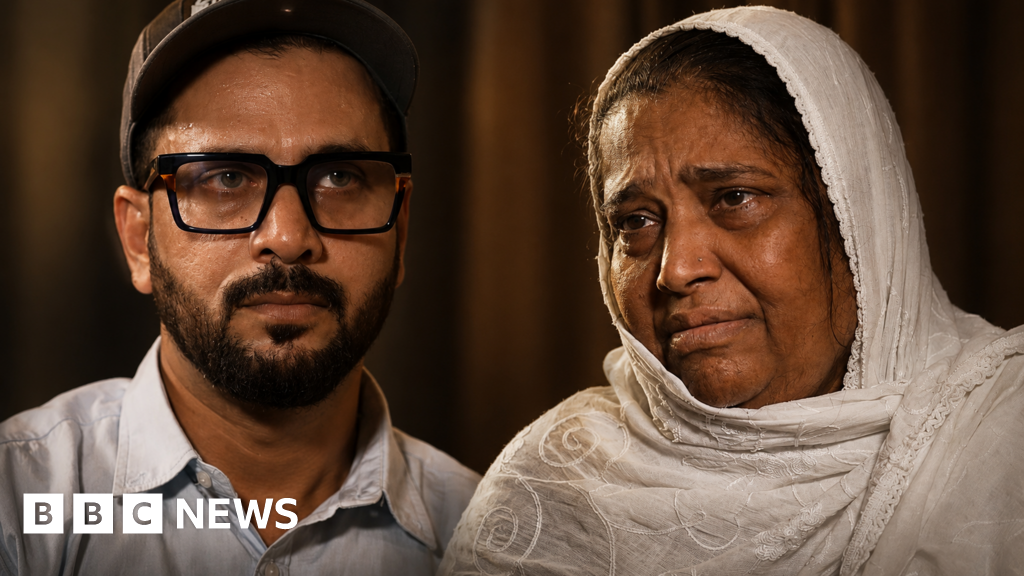
A year after the tragic Air India crash, the Ali family reflects on grief, unanswered questions, and the enduring bonds of love in the face of loss.
BBC Business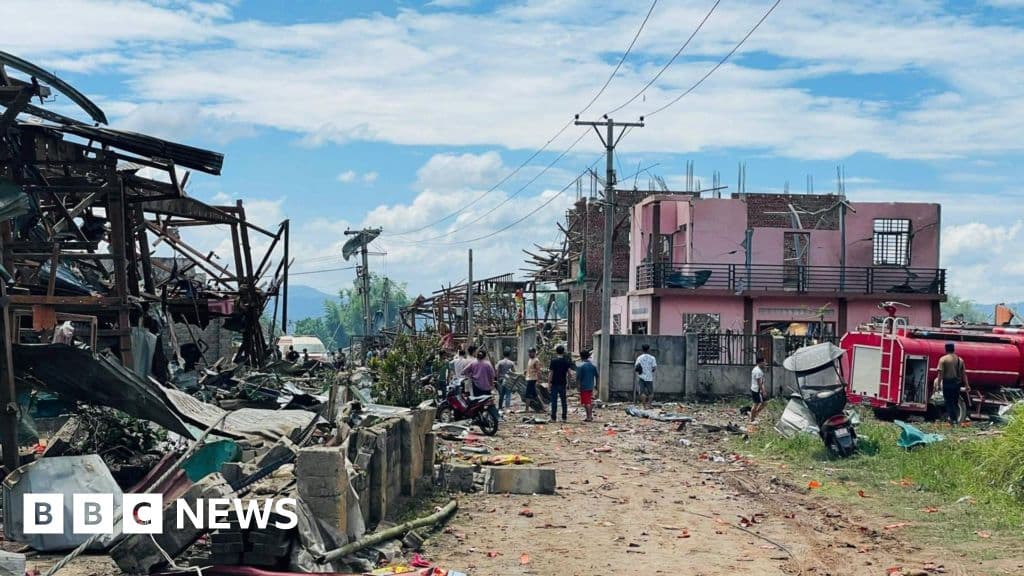
A devastating explosion in Myanmar's Kaung Tat village has killed at least 55 people, raising serious safety concerns and questions about civilian protection in conflict zones.
BBC World