
Image: BBC World
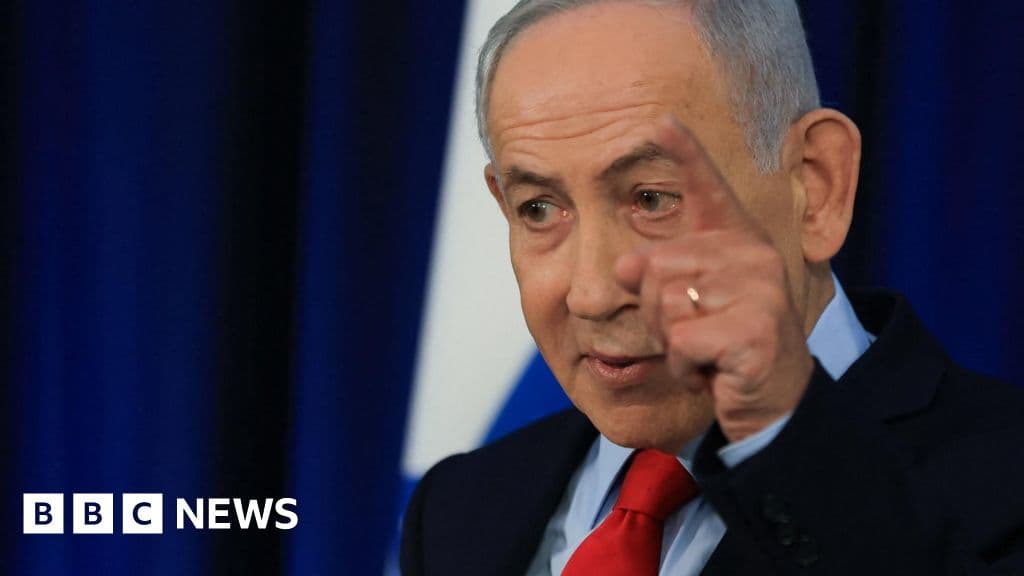
Israel's PM Netanyahu claims the country acted alone in attacking Iran's gas field, heightening tensions and impacting global energy markets.
GlipzoIsrael's Prime Minister Benjamin Netanyahu has made a bold declaration regarding the recent military actions taken against Iran, asserting that Israel "acted alone" in its attack on the South Pars gas field. This contentious operation has escalated tensions across the Middle East, particularly concerning energy infrastructure, leading to significant geopolitical ramifications.
The South Pars gas field, located in Iran, is recognized as part of the largest natural gas field in the world. Israel's airstrike on this critical energy resource marks a severe escalation in the ongoing conflict between Israel and Iran, which has seen various military engagements in recent months. In retaliation for the attack, Iran launched strikes on an energy complex in Qatar and targeted other energy installations throughout the Gulf region, exacerbating already heightened tensions.
The aftermath of these military actions has sent shockwaves through global energy markets, causing a sharp increase in energy prices. Notably, U.S. President Donald Trump expressed surprise over the developments, indicating he was unaware of the attack beforehand. This has led to speculation regarding the extent of coordination between the United States and Israel concerning military strategies in the region.
During a news conference held on Thursday, Netanyahu clarified Israel's stance, asserting that Trump had requested no further attacks on energy targets to prevent escalation. Despite reports from Reuters citing unnamed Israeli officials claiming the attack was coordinated with the U.S., Netanyahu insisted that Israel acted independently and did not mislead the U.S. President.
According to Netanyahu, the military actions against Iran are part of a broader strategy to dismantle Iran's military capabilities. He emphasized that Israel is inflicting substantial damage on Iran's military infrastructure, including recent attacks on Iranian naval assets located in the Caspian Sea. His remarks suggest a determined approach to weaken the Iranian regime, while also emphasizing that the onus is on the Iranian people to instigate any changes to their government.
The consequences of these military confrontations are being felt globally, particularly in the energy sector. Following the Iranian strikes on Qatar’s Ras Laffan industrial area, which houses the world’s largest liquefied natural gas processing facility, QatarEnergy indicated that approximately 17% of its export capacity would be impacted. This disruption has prompted warnings from Qatar's Prime Minister Mohammed bin Abdurrahman Al-Thani, who stated that these attacks could have significant repercussions for global energy supplies, calling the situation a "very dangerous escalation."
Gas prices have already been on an upward trajectory since the onset of the conflict, and the Iranian attack on Qatar has further exacerbated this trend. The UK benchmark gas price reached a peak of almost 183p per therm before settling at 154.8p, reflecting an 11.3% increase from the previous day. Similarly, European gas prices also saw significant increases, climbing more than 10%.
The Strait of Hormuz, a critical maritime corridor through which about 20% of the world’s oil supply passes, remains a focal point of concern in this ongoing conflict. Military tensions in this area could potentially disrupt shipping routes, further destabilizing global oil markets. Iran has already signaled intentions to restrict shipping through the strait, raising alarms about potential international repercussions.
As the situation unfolds, Iran's Foreign Minister Abbas Araghchi has warned of “zero restraint” if further strikes on Iranian infrastructure occur. This statement underscores the precarious nature of the current geopolitical landscape and the potential for further military escalation.
The situation remains fluid, with both Israel and Iran poised to respond to any future provocations. The United States is also considering lifting sanctions on Iranian oil, a move aimed at stabilizing energy markets in the wake of these recent conflicts. However, the effectiveness of such measures remains to be seen amid the backdrop of escalating military actions.
As the world watches closely, the actions of both Israel and Iran will be critical in determining the future stability of the region. Analysts suggest that any further military engagement could lead to a significant disruption in energy supplies, affecting economies worldwide.
In conclusion, this conflict is not just a bilateral issue between Israel and Iran; it has profound implications for global energy security and geopolitical alliances. Stakeholders in the energy market, as well as governments worldwide, will need to stay vigilant as this situation continues to evolve, and the international community might need to intervene to ensure stability in this volatile region.
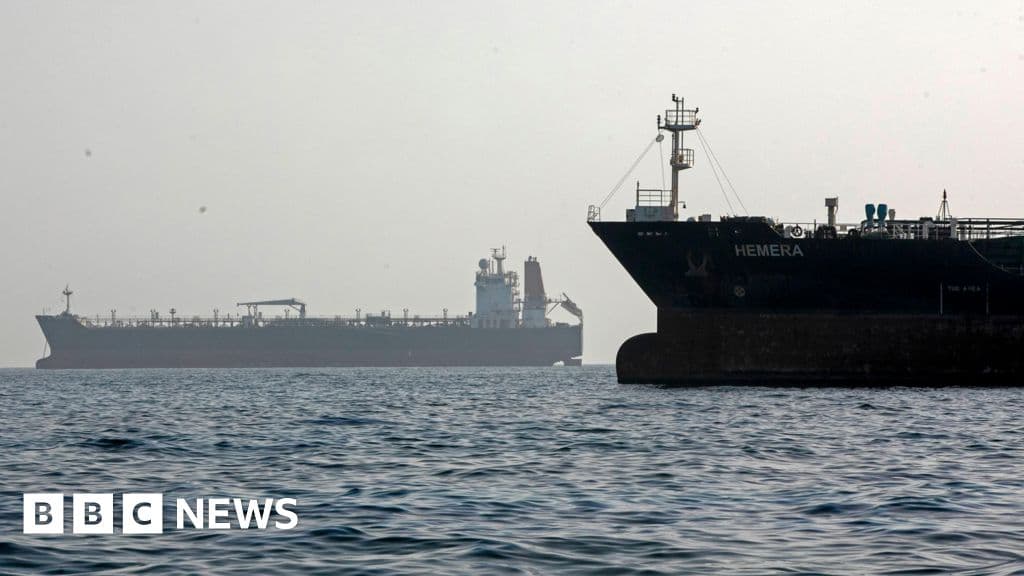
Tensions soar as the US and Iran engage in air strikes near the Strait of Hormuz, raising concerns over global oil supply and regional stability.
BBC World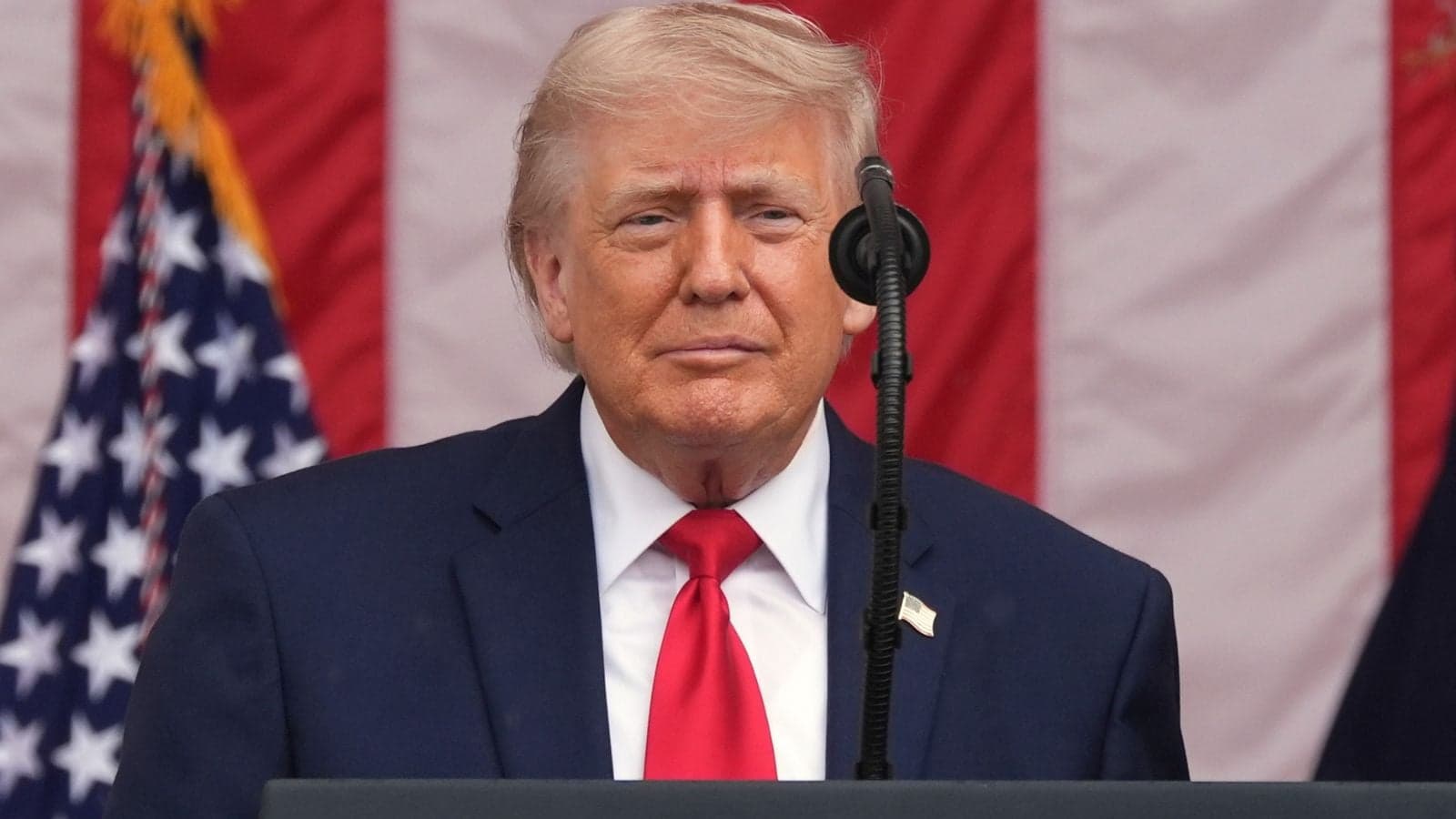
Trump's international interventions face serious stalemates. What will this mean for U.S. foreign policy? Explore the critical challenges ahead.
Indian Express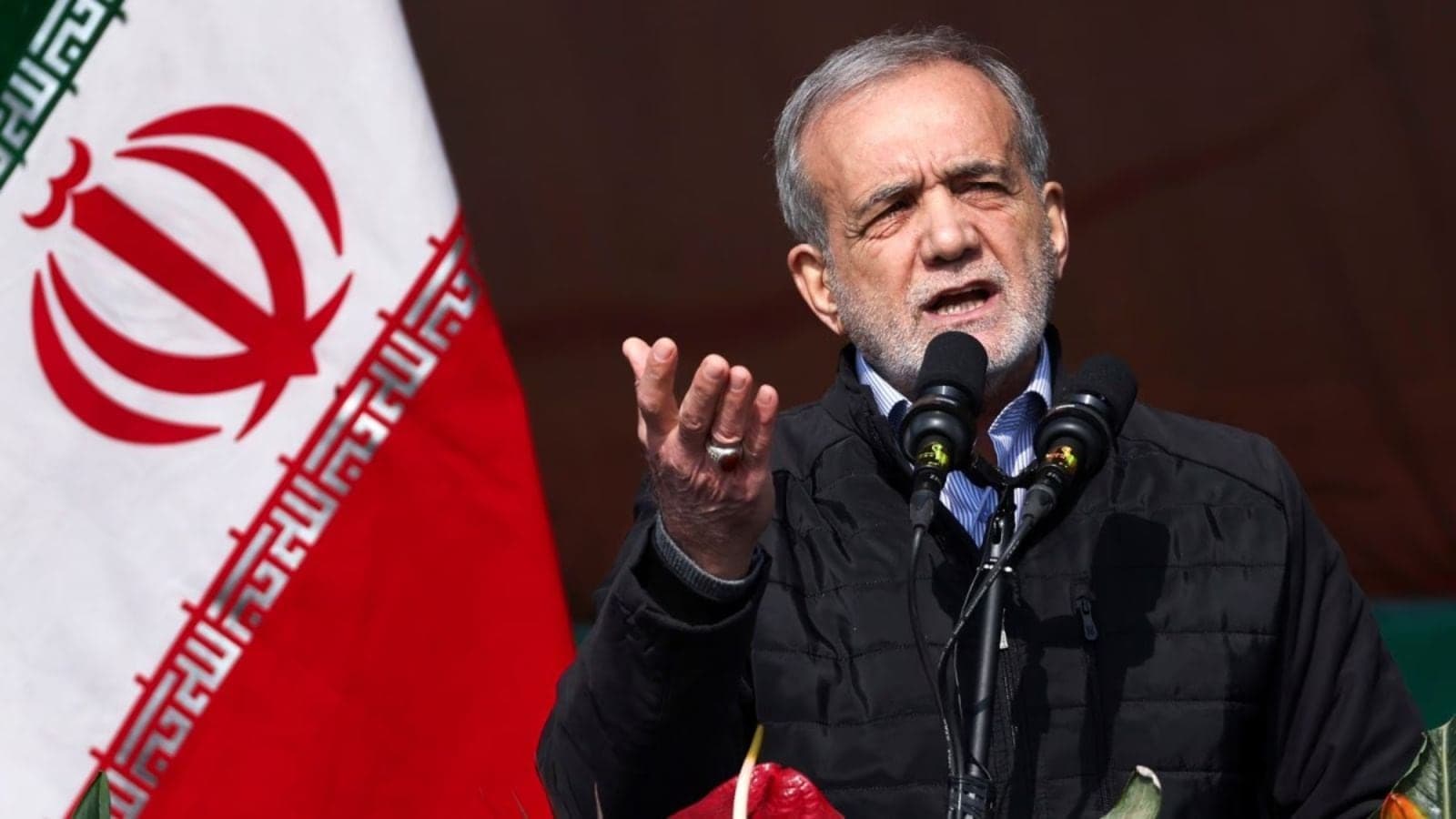
Tehran denies resignation of President Masoud Pezeshkian amid claims of IRGC influence. What does this mean for Iran's political stability? Click to learn more!
Indian Express