
Image: Mint (Business)
Netanyahu urges global leaders to unite against Iran's threat. Discover the implications of his call amid rising tensions in the Middle East.
GlipzoIsraeli Prime Minister Benjamin Netanyahu made a striking appeal on Sunday, urging world leaders to unite with Israel and the United States in combating the escalating threat posed by Iran. This call to arms follows a recent missile strike on Tel Aviv, which Netanyahu highlighted as a dangerous act that signifies Iran's aggressive intentions not only towards Israel but also toward the global community.
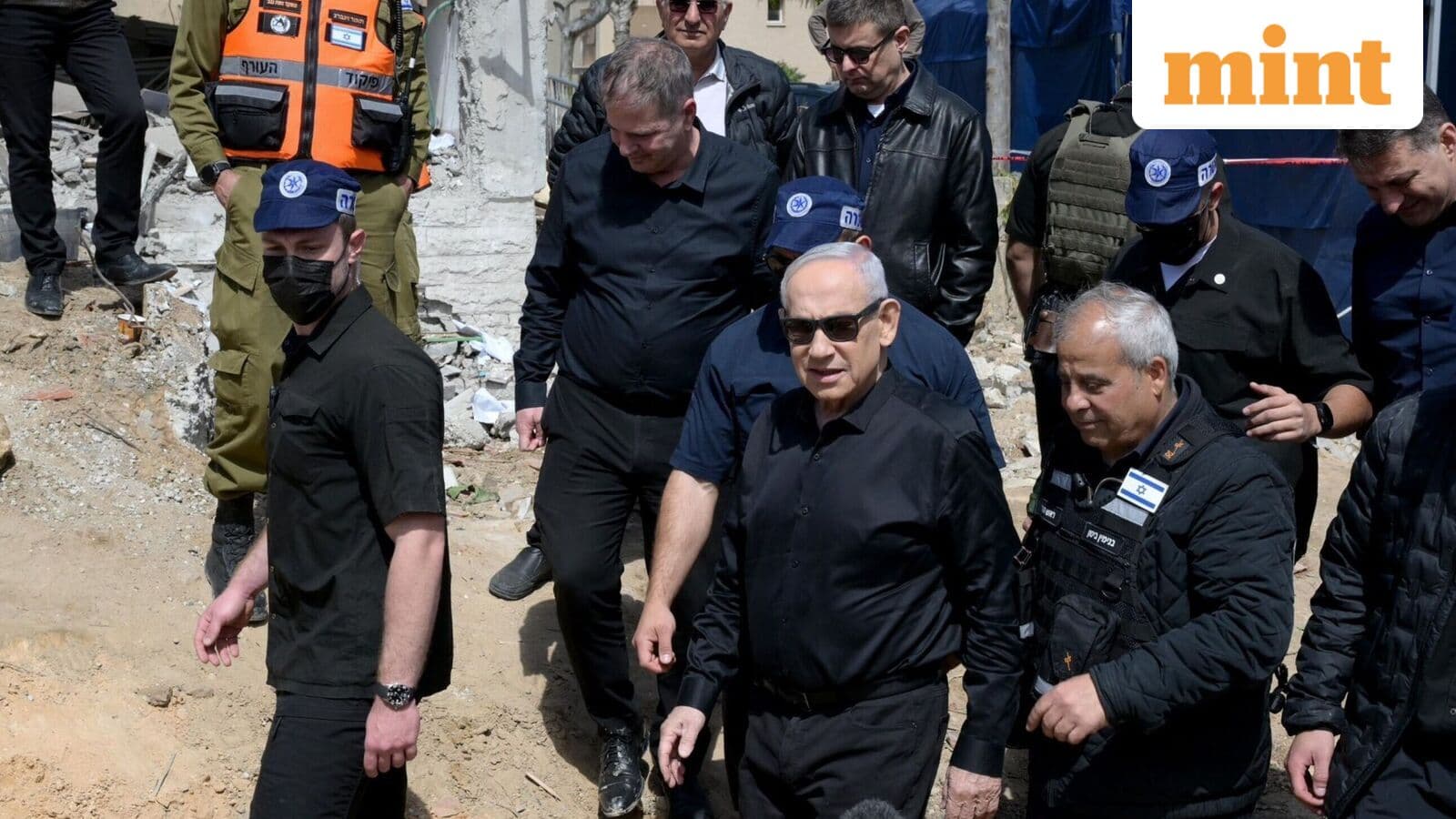
Speaking at the site of the missile attack in Arad, Netanyahu addressed the media and the international community, framing the situation as a critical issue that transcends national borders. He emphasized, "Iran has proven again in the last 48 hours that it is the enemy of civilization and a danger to the free world." The Prime Minister's remarks underscore the urgency of the situation as Iran continues to target civilians and threaten regional stability.
Netanyahu's comments shed light on the broader implications of Iran's military actions. He stated that Tehran is not just a threat to Israel but is actively endangering the security of the entire free world. Key points of his address included: - Targeting civilians: Netanyahu condemned Iran for using terror missiles that threaten children, families, and the elderly. - Attacking sacred sites: He warned that attacks on Jerusalem's holy sites by Iran's forces could escalate tensions further. - Long-range missile capabilities: The Prime Minister highlighted Iran's advancements in missile technology, raising concerns about its potential reach and impact on global security. - Blackmail tactics: Netanyahu accused Iran of attempting to manipulate international powers through threats in the Strait of Hormuz, a crucial shipping route for global oil trade.
He challenged world leaders by asking, "What are you waiting for? Israel is fighting not only for itself, but for all of you." This plea underscores his belief that the security of one nation is intertwined with the safety of others.
The call for international involvement comes at a time when tensions in the Middle East are already high. Iran's aggressive military posture is a significant concern for many countries, especially those in the West. The nuclear deal, initially established to limit Iran's nuclear ambitions, has faced numerous challenges, leading to heightened fears of an arms race in the region.
The situation is further complicated by the geopolitical landscape, where alliances and enmities shift frequently. For many nations, the question of how to respond to Iran's provocations is fraught with implications for their own national security and foreign relations.
In light of Netanyahu's requests, the international community faces critical decisions. Will countries respond with military support, sanctions, or diplomatic efforts? Analysts suggest that the next steps will be crucial in determining the future of not only Israeli-Iranian relations but also the stability of the entire Middle East.
The confrontation between Israel and Iran is more than just a regional issue; it poses a significant risk to global security. A potential conflict could have far-reaching consequences, affecting oil prices, international trade, and even global alliances. The Strait of Hormuz, through which nearly 20% of the world's oil supply passes, remains a focal point of concern.
The urgency of Netanyahu's call highlights the precarious nature of international relations in an era where threats can escalate quickly. As nations evaluate their roles in this developing crisis, the balance of power in the Middle East hangs in the balance.
Moving forward, observers should keep an eye on several key developments: - Reactions from major world powers: How will the United States, European nations, and others respond to Netanyahu's call? - Iran's subsequent actions: Will Iran escalate its military operations, or might it seek to negotiate? - Regional alliances: Watch for potential shifts in alliances among Middle Eastern countries as they respond to Iranian aggression.
As the situation unfolds, it is clear that the stakes are high, and the response from the international community will be pivotal in shaping the future stability of the region and beyond.

Tensions soar as the US and Iran engage in air strikes near the Strait of Hormuz, raising concerns over global oil supply and regional stability.
BBC World
Trump's international interventions face serious stalemates. What will this mean for U.S. foreign policy? Explore the critical challenges ahead.
Indian Express
Tehran denies resignation of President Masoud Pezeshkian amid claims of IRGC influence. What does this mean for Iran's political stability? Click to learn more!
Indian Express