
Image: Mint (Business)
Netanyahu's first press conference since the Iran war reveals strategies and implications for global oil prices. What’s next for Israel and Iran?
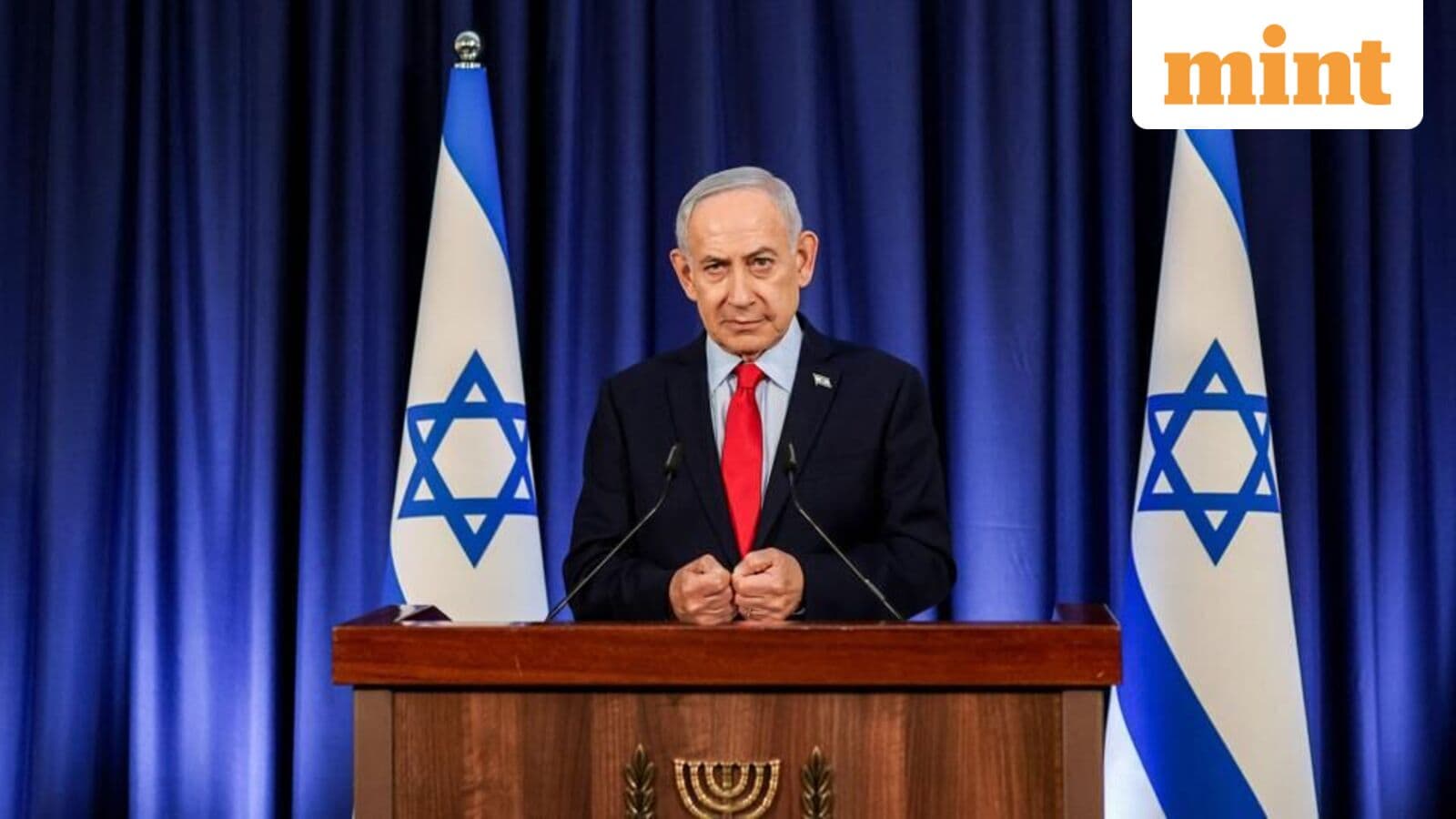
GlipzoIn a significant press conference on March 20, 2023, Israeli Prime Minister Benjamin Netanyahu addressed the media for the first time since the onset of the escalating conflict with Iran. Amid swirling rumors about his health, he emphatically stated, "I'm alive, and you're all witnesses," dispelling the viral claims of his death as mere "fake news."
Netanyahu discussed Israel's strategic military efforts aimed at targeting high-ranking Iranian officials. He framed these actions as part of a calculated attempt to destabilize Iran's regime from within, stating, "This is part of the effort to crack the regime. It's not going to happen in one day or even in 20 days." He expressed optimism, noting that visible cracks within the Iranian leadership were beginning to surface and that Israel was committed to accelerating this internal disintegration.
During the conference, Netanyahu confirmed that he had made a personal assurance to U.S. President Donald Trump not to target Iran's oil and natural gas infrastructure. However, when pressed on whether he would consider halting military actions if the U.S. expressed concern over rising oil prices, he sidestepped a direct response. "He's the leader. I'm his ally," he remarked, emphasizing his support for Trump’s leadership.
The Prime Minister was also questioned about Israel's ability to sustain military operations without U.S. refueling support. In a moment of deflection, he said to CNN’s Jeremy Diamond, "You exhausted your questions," leaving the audience wanting more clarity on this crucial point.
The conflict escalated sharply when Israel launched airstrikes on Tehran on the same day that Iranians were celebrating Nowruz, the Persian New Year. This marked a considerable increase in hostilities and was a response to Iran's intensified military actions targeting Israeli interests in the Gulf. Just a day prior, Israel had announced a restraint on striking a pivotal Iranian gas field, making the strikes on March 20 feel even more provocative.
In retaliation to Israel's airstrikes, Iran amplified its attacks on oil and gas facilities within the region. Reports of heavy explosions in Dubai and missile attacks targeting northern Israel further intensified the atmosphere of conflict. Israeli military sources indicated that on March 19, there were over a dozen missile launches from Iran, showcasing the depth of the ongoing hostilities.
The ramifications of the Israel-Iran war are reverberating throughout the global economy. The Strait of Hormuz, a key maritime passage responsible for transporting about 20% of the world's oil, is under significant pressure due to Iran's military actions. As tensions escalate, oil prices have surged dramatically, with Brent crude climbing to nearly $108 per barrel. This spike has led to an almost 20% increase in petrol prices in the United States.
Interestingly, in Indian cities like Mumbai, petrol prices have remained stable, hovering around ₹103 per litre. This stability is attributed to India's unique "shock absorber" system, where oil marketing companies and the government collaborate to mitigate the effects of fluctuating global prices. Currently, the Indian government maintains a buffer through excise duties, which enables it to protect consumers up to a crude price of $110 per barrel.
Despite the current stability in India, experts caution that this situation is not sustainable indefinitely. The government may soon face pressure to increase fuel prices if crude prices continue to rise. As oil marketing companies absorb the losses for the time being, consumers may soon feel the pinch if the conflict persists.
The ongoing war not only raises questions about regional security but also poses a significant challenge to global economies. With both Israel and Iran showing no signs of de-escalation, the international community is left to grapple with the implications of a prolonged conflict.
The Israel-Iran conflict represents a critical juncture in Middle Eastern politics, with potential ramifications that extend beyond regional borders. As the situation unfolds, the international community must remain vigilant in monitoring developments, as the stability of global oil supplies and economic conditions hangs in the balance. Netanyahu's remarks indicate a complex relationship with the U.S. and highlight the intricate nature of alliances in a volatile geopolitical landscape.
As this conflict evolves, it will be essential to watch how the United States navigates its support for Israel amid rising global oil prices and how Iran responds to the ongoing military actions. The outcomes may not only shape the future of Israeli-Iranian relations but also affect global economic stability for the foreseeable future.

Tensions soar as the US and Iran engage in air strikes near the Strait of Hormuz, raising concerns over global oil supply and regional stability.
BBC World
Trump's international interventions face serious stalemates. What will this mean for U.S. foreign policy? Explore the critical challenges ahead.
Indian Express
Tehran denies resignation of President Masoud Pezeshkian amid claims of IRGC influence. What does this mean for Iran's political stability? Click to learn more!
Indian Express