
Image: Mint (Business)
Discover Jawaharlal Nehru's insightful warning about aggressor nations masking war as self-defense. Learn how it applies to today's conflicts.
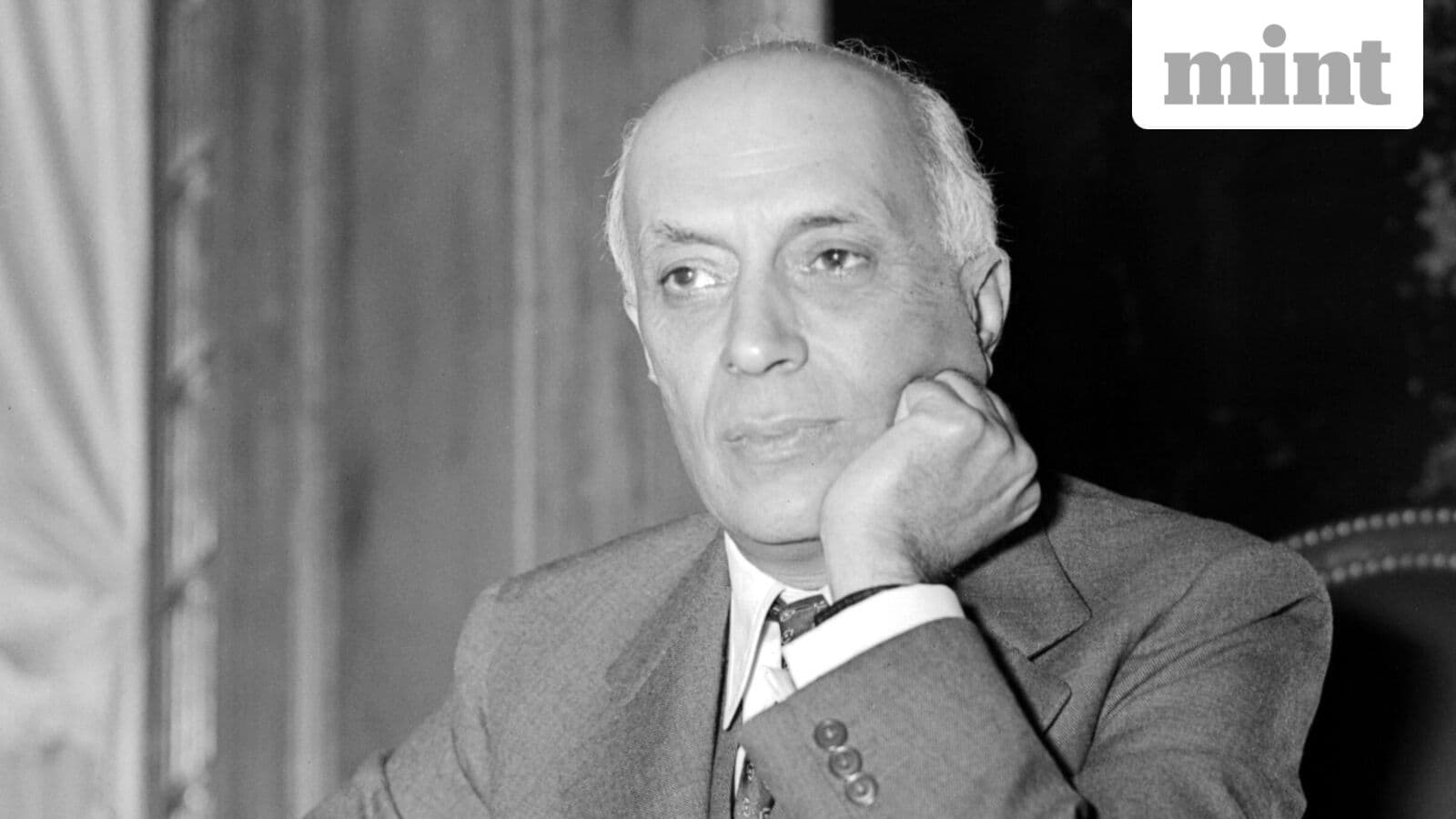
GlipzoJawaharlal Nehru, the first Prime Minister of India, once stated, "It is the habit of every aggressor nation to claim that it is acting on the defensive.” This poignant observation reveals a consistent trend in global politics, where countries that instigate conflict often disguise their aggressive intentions with claims of self-defense. Nehru's perspective, articulated during a tumultuous era in the mid-20th century, serves as a compelling reminder of the complexities of warfare and the narratives that surround it.
In the wake of World War II, as colonial powers began to crumble and new geopolitical tensions emerged, Nehru witnessed firsthand how dominant nations rationalized their military actions. They often framed their territorial expansions or interventions as necessary responses to perceived threats, thereby claiming the moral high ground. This tactic not only garners public support but also helps to evade international condemnation.
The tendency for aggressor states to mask their true intentions with defensive rhetoric has historical precedence. From early military conflicts to modern warfare, the strategy remains consistent:
This pattern transcends time and geography, manifesting in various forms throughout history. Whether through airstrikes on urban areas or cross-border invasions, the language of defense often cloaks aggressive maneuvers, complicating the international community's response.
In our contemporary world, the relevance of Nehru's insights is amplified by the complexities of modern warfare, which includes not just traditional military confrontations but also cyber warfare, proxy battles, and disinformation campaigns. By framing offensive actions as defensive, aggressor nations can successfully cultivate domestic support while complicating international reactions.
For instance, as we analyze current geopolitical conflicts, the echoes of Nehru's warnings resonate strongly. Leaders continue to employ defensive language, even as they escalate military actions. The Russian invasion of Ukraine in February 2022 serves as a significant case study in this context.
In a televised address announcing what he termed a “special military operation,” Russian President Vladimir Putin justified his full-scale invasion of Ukraine by asserting that Russia was acting to defend Russian-speaking populations in eastern Ukraine. He claimed that the operation was necessary to prevent an alleged genocide of civilians and cited NATO expansion as a threat that warranted military action. Despite widespread international outcry and condemnation of these assertions as baseless pretexts, Putin's framing allowed him to portray Russia as a protector rather than an aggressor.
The implications of this narrative have been profound, affecting both public perception within Russia and the international community's response to the conflict.
Another contemporary example echoes Nehru's observations: the ongoing US-Israel conflict with Iran. Here, Israeli Prime Minister Benjamin Netanyahu has framed military operations against Iranian nuclear and missile capabilities as essential for national survival. His rhetoric emphasizes the dismantling of Iran’s military infrastructure, positioning these strikes as defensive measures necessary to protect Israeli citizens.
Similarly, the United States has supported these actions by framing its own military engagements as targeted efforts against Iranian threats. This narrative not only justifies significant military action but also aligns with domestic political agendas that prioritize national security.
Nehru's warning about aggressors masquerading as defenders is critical in understanding the current geopolitical landscape. It provides a lens through which to evaluate not only historical conflicts but also present-day wars that continue to unfold. The implications of this framing are significant:
As we navigate an increasingly complex geopolitical landscape, Nehru's insights remain remarkably relevant. The continued reliance on defensive rhetoric among aggressor nations raises several questions about the future of international relations and conflict resolution:
In conclusion, Jawaharlal Nehru's observations serve as a vital warning about the nature of aggression and defense in warfare. As the world grapples with ongoing conflicts, understanding the narratives that leaders employ will be crucial in assessing both their motivations and the broader implications for peace and security.
Stay informed about the latest developments in global politics, historical contexts, and the dynamics of warfare to better understand the complexities of our world today.

Survivors of the Laos cave rescue are aiding efforts to find the last two missing men trapped inside, sharing crucial insights for the search operation.
BBC World
A year after the tragic Air India crash, the Ali family reflects on grief, unanswered questions, and the enduring bonds of love in the face of loss.
BBC Business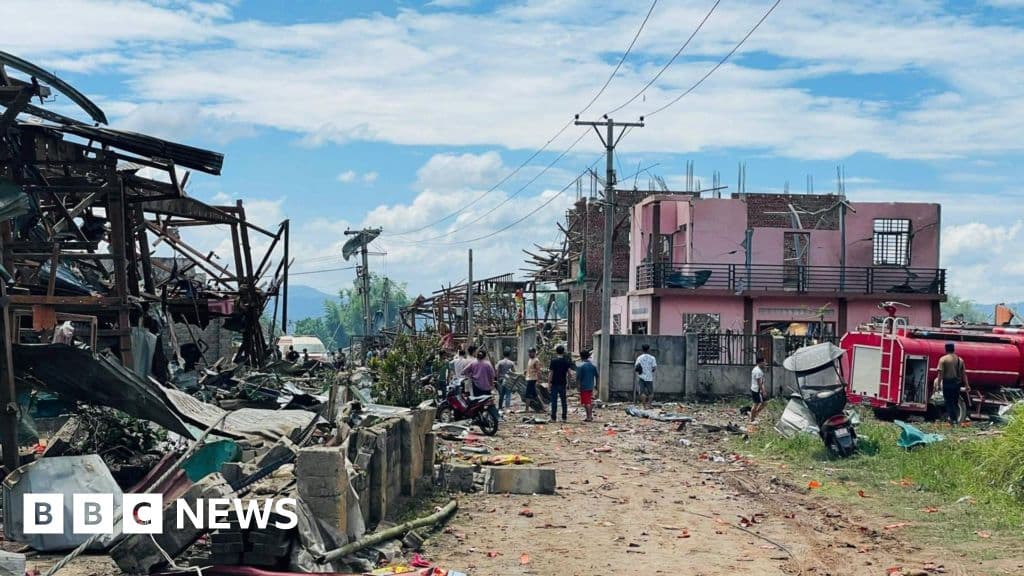
A devastating explosion in Myanmar's Kaung Tat village has killed at least 55 people, raising serious safety concerns and questions about civilian protection in conflict zones.
BBC World