
Image: Indian Express
Mumbai's Marathi language mandate stirs debate as commuters prioritize service over language. Discover what locals really think about this issue.
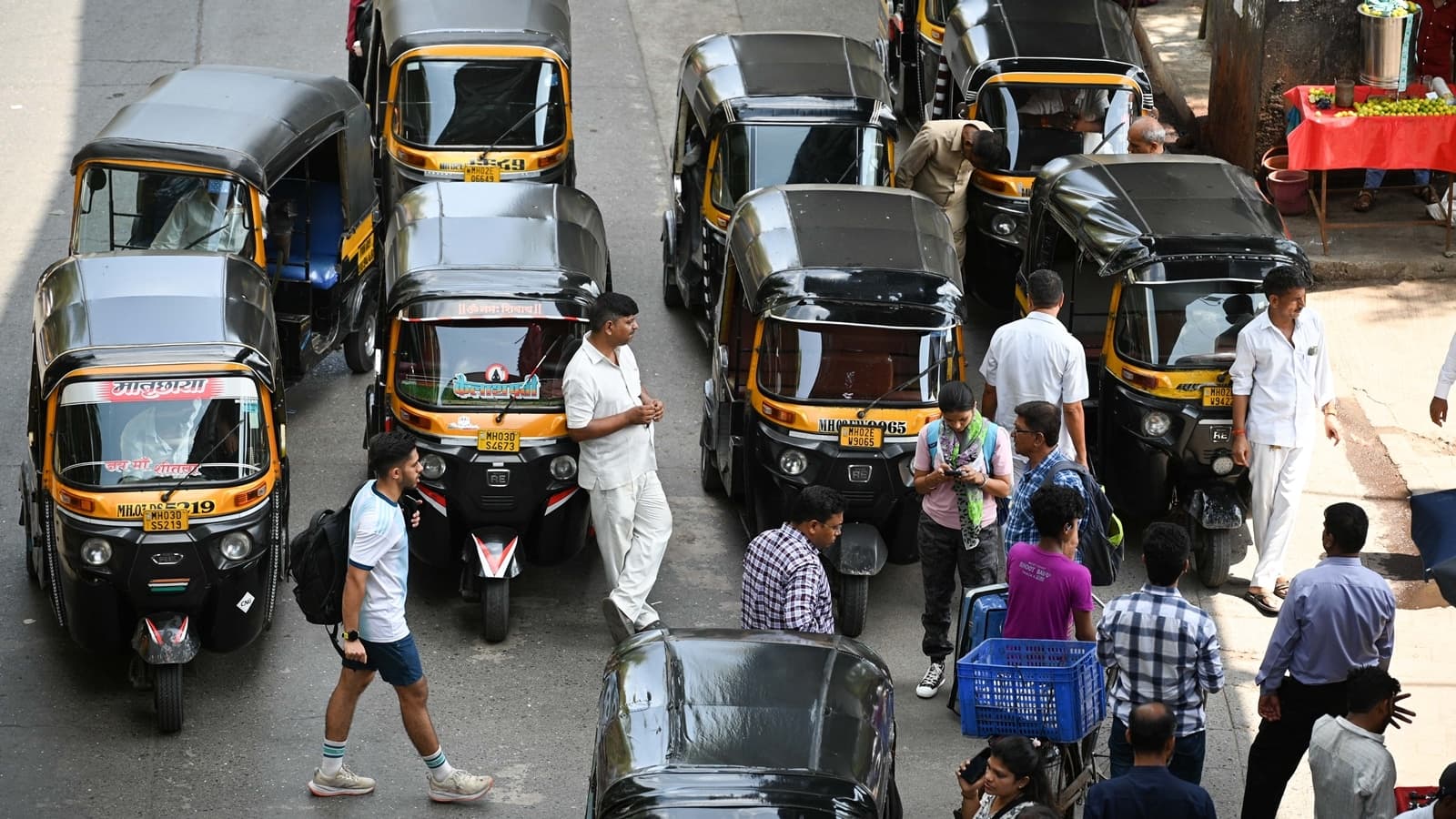
GlipzoIn the bustling city of Mumbai, interactions can often be brief, especially when it comes to commuting. Outside the busy Thane railway station, passengers frequently approach auto-rickshaw drivers to find out if they can take them to a specific location. The exchanges are usually minimal, often reduced to a quick acknowledgment of the destination. This phenomenon highlights a unique aspect of Mumbai’s transportation system: it relies on functional communication rather than linguistic proficiency.
However, this pragmatic approach is now under scrutiny. Since May 1, the Maharashtra government has initiated a verification process across 59 Regional Transport Offices (RTOs) to evaluate whether auto and taxi drivers possess a working knowledge of Marathi. This requirement stems from an amendment to the Maharashtra Motor Vehicles Rules in 2019. With approximately 280,000 auto-rickshaw permit holders and 20,000 taxi drivers in Mumbai and its suburbs, the stakes are high. Transport Minister Pratap Sarnaik has issued a warning: drivers lacking proficiency in Marathi could face permit revocation after the deadline of August 15.
To gauge public opinion on this mandate, The Indian Express conducted interviews with nearly 400 commuters across various neighborhoods, including Mumbai Central, South Mumbai, Andheri, Borivali, Virar, Panvel, Wadala, Thane, and Kalyan. The findings revealed a surprising sentiment: nearly 60% of respondents opposed making Marathi a compulsory requirement for drivers, while only 25% supported it, and the remaining 15% held a neutral stance.
The results indicate that the conversation surrounding language in Mumbai is far more complex than a simple preference for one language over another. For many, the focus is not on the language itself but rather on the quality of service and safety. Ramesh Yadav, a 34-year-old delivery supervisor from Uttar Pradesh, expressed this sentiment clearly: "A driver’s behavior and honesty matter more than language. Most commuters just want a safe ride and someone who doesn’t refuse short distances. Language is honestly secondary."
Similarly, Yusuf Contractor, a 52-year-old businessman born and raised in the city, echoed this perspective, stating, "People care more about whether the driver is decent and knows the roads. There’s hardly any conversation during most rides anyway."
In neighborhoods like Bandra, the debate took a turn towards the implications for livelihoods. Rashi Sheikh, a 38-year-old garment shop worker originally from Maharashtra, articulated a common concern: "Mumbai has always survived because people from everywhere come here to work. Forcing one language creates unnecessary fear among migrant workers." This perspective resonated throughout various communities, highlighting a collective apprehension regarding the potential marginalization of non-Marathi speakers in the city.
Support for the Marathi mandate appeared strongest in the Marathi-speaking regions around Thane and Dadar. Here, Shrikant Sawant, a 46-year-old call center employee, emphasized the importance of basic communication skills in the public transport sector, saying, "Nobody is asking people to become fluent overnight. But if you work with the public in Maharashtra every day, learning basic Marathi shows willingness to connect."
In Andheri, Imran Khan, a 41-year-old auto spare parts trader, argued that understanding basic Marathi is not just a matter of compliance, but also basic courtesy. He noted that many elderly passengers feel more at ease when drivers can follow simple Marathi instructions. This sentiment was echoed by Harsh Mehta, a 35-year-old Hindi-speaking sales executive from Nallasopara, who pointed out that picking up basic Marathi is beneficial for anyone working in a customer-facing role in the city.
The nuances of the debate are further illuminated by voices from the middle ground. Suryakant Pokhare from Ambarnath highlighted a critical oversight in the broader discussion: many individuals from rural Maharashtra may not understand Hindi, leaving them at a disadvantage when drivers do not speak Marathi. This situation is particularly challenging for senior citizens and families who primarily communicate in Marathi.
On the ground, drivers are already adapting to the evolving expectations. Rajnikant Tiwari, a 55-year-old auto driver from Jaunpur, Uttar Pradesh, has been navigating Mumbai's streets for years. He recognizes the growing importance of understanding local languages as part of his job. Reports suggest that some drivers have begun to learn basic Marathi phrases to better serve their passengers, reflecting a willingness to engage and connect with the diverse population they cater to.
As the August deadline approaches, the implications of this language mandate will continue to unfold. The divided opinions among commuters suggest that while there is recognition of the value of Marathi in fostering connections, there is also a strong desire for inclusivity in a city that thrives on its diversity. Moving forward, it will be crucial to monitor how this policy affects not only the livelihoods of drivers but also the experiences of passengers who rely on these services daily.
The conversation surrounding language, identity, and belonging in Mumbai is far from over. Stakeholders must balance the need for communication with the reality of the city’s multicultural fabric, ensuring that all residents feel welcome and valued, regardless of their linguistic background.

Tensions soar as the US and Iran engage in air strikes near the Strait of Hormuz, raising concerns over global oil supply and regional stability.
BBC World
Trump's international interventions face serious stalemates. What will this mean for U.S. foreign policy? Explore the critical challenges ahead.
Indian Express
Tehran denies resignation of President Masoud Pezeshkian amid claims of IRGC influence. What does this mean for Iran's political stability? Click to learn more!
Indian Express