
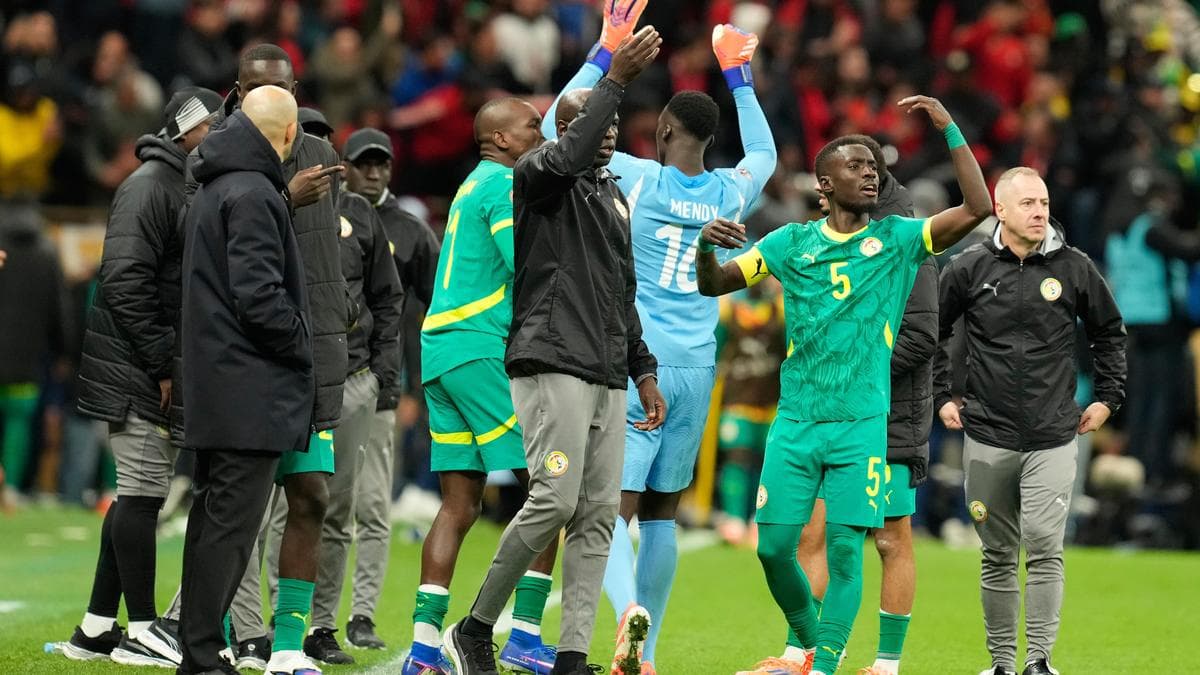
Image: The Hindu
Morocco is crowned Africa Cup of Nations champions after Senegal is stripped of the title amid a shocking appeal ruling. What happens next?
GlipzoIn a stunning turn of events, Morocco has been declared the champion of the Africa Cup of Nations (AFCON) after Senegal was stripped of their title following a major ruling by the Confederation of African Football (CAF). This decision, announced on March 17, 2026, comes on the heels of Senegal's controversial walk-off during the final, which took place on January 18, 2026, in Rabat, Morocco.
The match initially ended with Senegal emerging victorious with a score of 1-0 after a goal from Pape Gueye in extra time. However, the game was marred by chaos as Senegal's players left the pitch in protest against a pivotal penalty awarded to Morocco late in the match. Following the appeal, CAF's Appeal Board ruled that Senegal had forfeited the game, leading to a revised score of 3-0 in favor of Morocco, thus crowning them champions for the second time in history, half a century after their first victory.
The ruling has ignited a firestorm of controversy, with CAF acknowledging that the integrity of African football has been significantly impacted. The walk-off incident, along with altercations between players and spectators, has raised serious questions about the conduct of the Senegalese team and the overall management of the tournament by CAF.
In response to the ruling, the Senegalese Football Federation (SFF) has announced plans to appeal to the Court of Arbitration for Sport (CAS) in Switzerland. Abdoulaye Seydou Sow, the SFF's Secretary General, expressed his outrage over the decision, emphasizing that it lacks a solid legal foundation.
> “This is a travesty; this decision is based on absolutely nothing. It has no legal foundation,” Sow stated during an interview with state broadcaster RTS1. He insisted that the federation would not relent until justice is served, highlighting that the truth and the law are on Senegal's side.
The ruling from CAF was rooted in Articles 82 and 84 of the Africa Cup of Nations regulations. These articles stipulate that if a team leaves the pitch without the referee's authorization before the match concludes, they are deemed the loser. The decision underscores the importance of adhering to the rules and maintaining order on the field.
In the tense final moments of the match, Senegal's players protested vehemently against a penalty awarded by Congolese referee Jean-Jacques Ndala after video assistant referee (VAR) intervention. Following the controversial call, coach Pape Bouna Thiaw ordered his players to leave the field, a decision that would ultimately result in the loss of their title.
The Royal Moroccan Football Federation (FRMF) welcomed the ruling and reiterated its commitment to fair play and adherence to competition regulations. They issued a statement emphasizing the importance of clarity and stability in African competitions.
The decision also had implications for the sanctions previously imposed. CAF announced the rescinding of a $100,000 fine against Morocco striker Ismael Saibari, reducing his suspension from three matches to just one. This move reflects the shifting dynamics as the governing body navigates the fallout from the final.
As Senegal prepares to take their appeal to CAS, the sporting world watches closely. This unprecedented situation raises questions about governance in African football and could set significant precedents for future tournaments. The SFF's determination to fight back suggests a protracted legal battle ahead, which could further complicate the landscape of African football.
The ruling not only redefines the championship landscape but also challenges the relationship between CAF and its member associations. As this saga unfolds, the focus will be on how CAF manages its image and implements regulations to prevent similar controversies in the future.
This incident is pivotal not just for Morocco and Senegal but for the integrity of football across Africa. The decision to strip Senegal of their title raises critical questions about authority, accountability, and the role of governance in sports. As both teams prepare for the next steps, this situation will likely influence how future matches are officiated and how disputes are resolved.
As the dust settles, fans and pundits alike are left to ponder whether this is a one-off incident or a symptom of deeper issues within the governing bodies of African football. The upcoming months will be crucial in determining the legacy of this year's Africa Cup of Nations and its impact on the sport going forward.
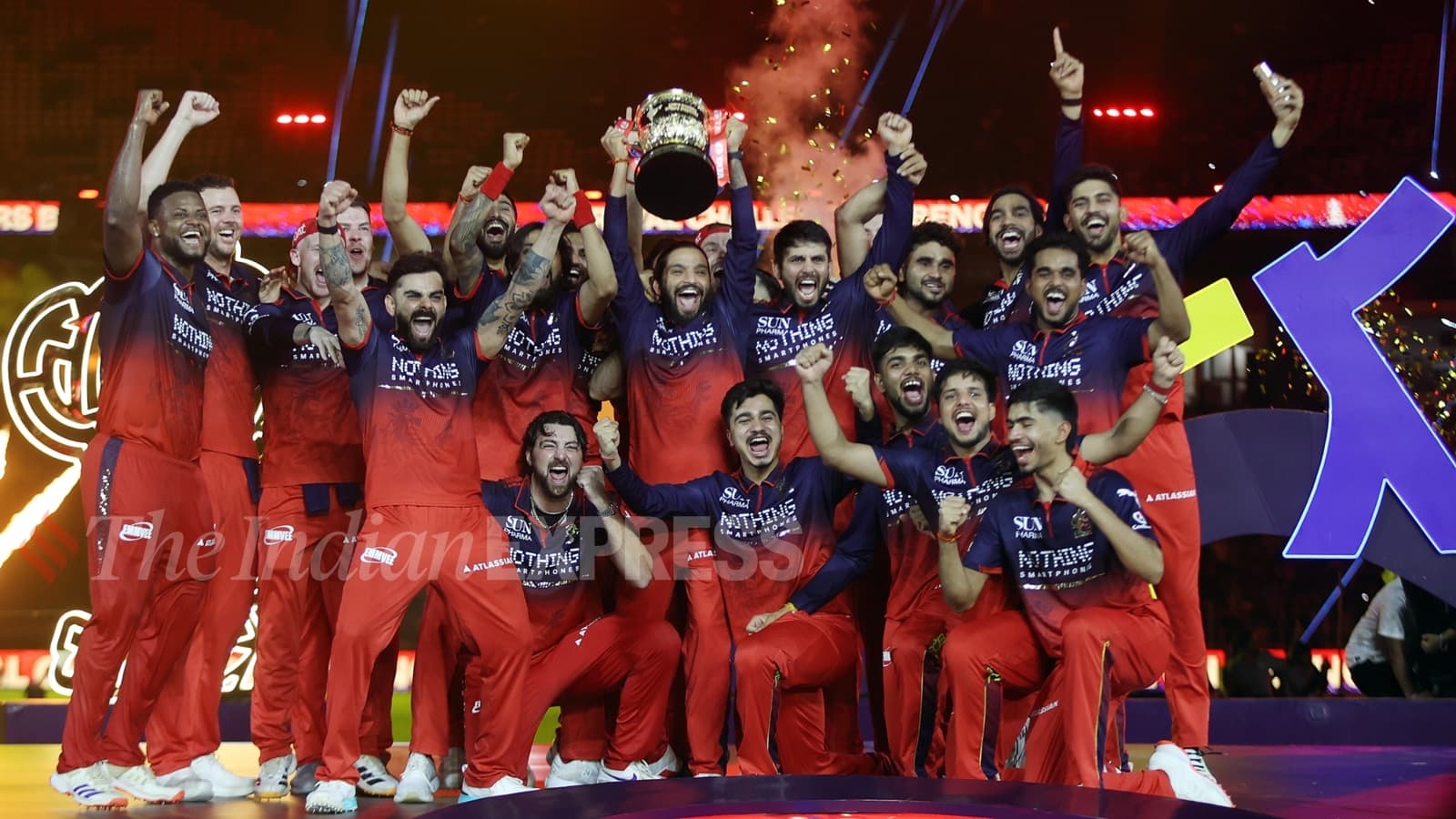
Rajat Patidar leads RCB to back-to-back IPL titles! Discover his leadership insights and goals for a historic third title in the upcoming season.
Indian Express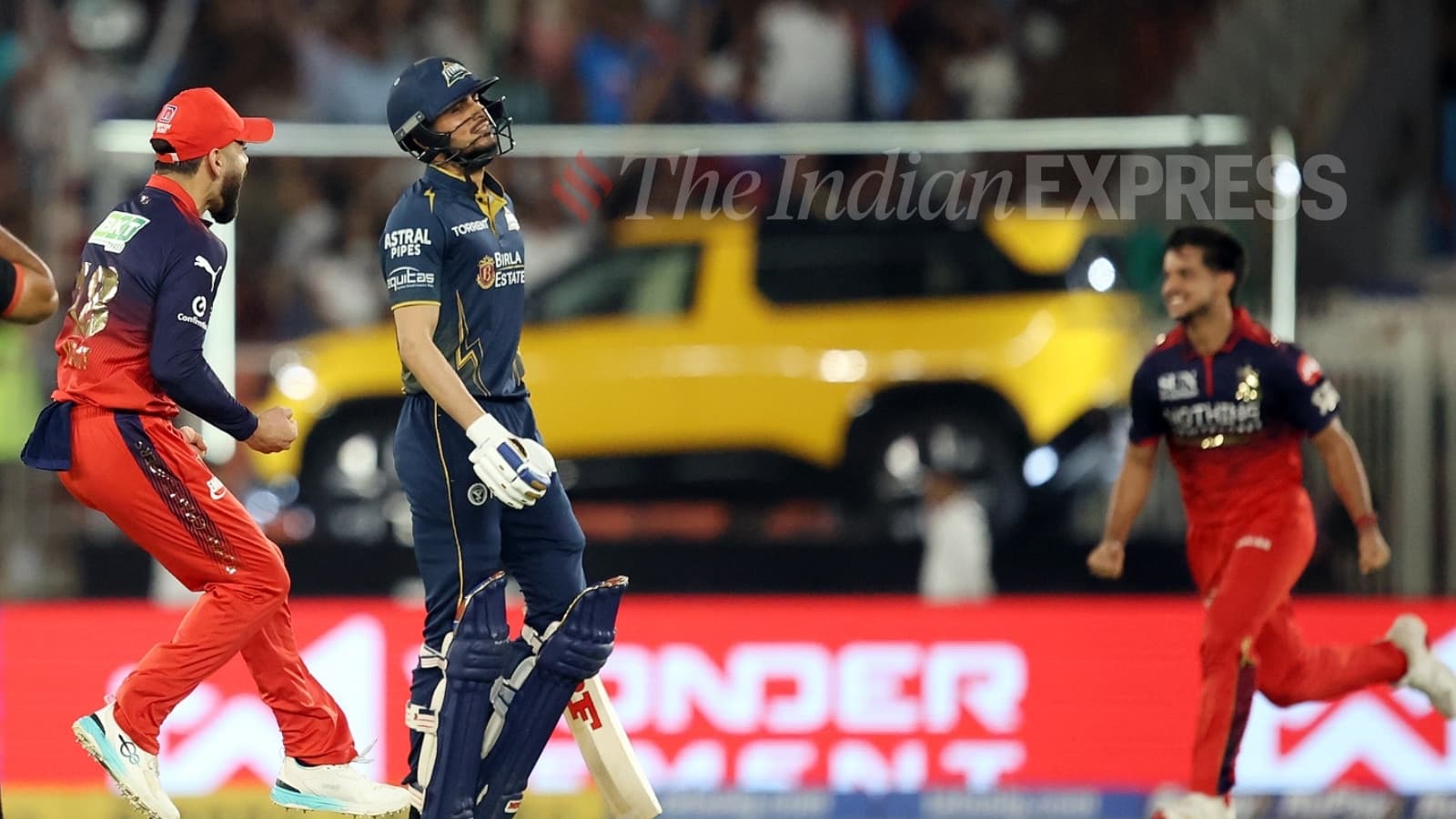
Gujarat Titans' Vikram Solanki reflects on their IPL 2026 final loss, acknowledging shortcomings and praising RCB's performance. What’s next for GT?
Indian Express
Virat Kohli and Anushka Sharma celebrate RCB's IPL 2026 victory with joy and emotion. Discover the highlights of this unforgettable night!
Indian Express