

Image: The Hindu
Microsoft reorganizes Copilot teams to boost AI adoption and focus on superintelligence, responding to competition from Google and Anthropic. What’s next?
GlipzoOn March 18, 2026, Microsoft announced a significant restructuring of its Copilot teams, aiming to unify its commercial and consumer divisions. This strategic initiative seeks to bolster the adoption of its AI assistant, Copilot, amid rising competition from tech rivals such as Google with its Gemini and other emerging players like Anthropic’s Claude Cowork. As the tech landscape rapidly evolves, Microsoft is positioning itself to enhance its offerings and maintain its competitive edge in the AI sector.
The organization’s decision comes as a response to the increasing pressure from competitors, highlighting the urgency for Microsoft to improve user engagement with Copilot. The restructuring will allow Mustafa Suleyman, Microsoft's AI chief, to concentrate on advancing new AI models and spearheading the company’s ambitions in superintelligence. This move is critical, as the tech giant aims to deliver exceptional AI experiences that can redefine various sectors.
As part of this reorganization, Jacob Andreou has been appointed to lead Copilot initiatives across both consumer and commercial sectors. Andreou previously held the role of corporate vice president for product and growth at Microsoft AI, bringing valuable experience to his new position. In conjunction with Andreou, senior executives Ryan Roslansky, Perry Clarke, and Charles Lamanna will oversee M365 applications and the Copilot platform, ensuring a cohesive approach towards enhancing AI functionalities.
Suleyman expressed optimism about the changes, stating, “This reorganization enables me to focus all my energy on our Superintelligence efforts and deliver world-class models for Microsoft over the next five years.” This dedication indicates a long-term vision for Microsoft as it seeks to innovate in the realm of advanced artificial intelligence.
The consumer version of Copilot has experienced remarkable growth, with daily app usage nearly tripling year-over-year, according to Satya Nadella, Microsoft’s CEO. During an earnings call in January, Nadella revealed that the M365 Copilot, priced at $30 per month, has attracted approximately 15 million annual users. This surge in popularity underscores the increasing reliance on AI tools across various domains, making it imperative for Microsoft to keep pace with user expectations and competitor advancements.
Microsoft's collaboration with OpenAI, which underpins many of its AI functionalities, has historically been seen as a competitive advantage. However, with OpenAI now accounting for about 45% of Microsoft’s remaining performance obligations, the company is becoming increasingly dependent on this partnership. This dependence signals a critical juncture for Microsoft as it strives to diversify its AI capabilities and reduce reliance on external entities.
In a bid to further enhance its offerings, Microsoft recently introduced Copilot Cowork, an innovative tool based on the Claude Cowork framework. Users have lauded Copilot Cowork for its remarkable ability to manage complex tasks with minimal human oversight, showcasing the potential of AI in streamlining workflows and increasing productivity in professional settings. This launch reflects Microsoft’s commitment to integrating AI solutions across various platforms and optimizing user experiences.
In November, Microsoft established the MAI Superintelligence Team, tasked with developing AI systems that exhibit capabilities surpassing those of humans in specific fields, particularly medical diagnostics. This initiative aligns with efforts from other tech giants like Meta Platforms and Safe Superintelligence Inc, indicating a broader industry trend towards harnessing AI for advanced applications.
Microsoft’s restructuring and focus on superintelligence underscore a pivotal moment in the AI landscape. As technology continues to advance, the demand for sophisticated AI systems will only grow. Companies that can innovate and adapt quickly will likely lead the charge in shaping the future of artificial intelligence. By reorganizing its teams and focusing on superintelligence, Microsoft is positioning itself to be at the forefront of this evolution.
As Microsoft embarks on this ambitious journey, several key areas will be crucial to watch: - Adoption Rates: Monitoring how quickly users embrace Copilot and subsequent AI tools. - Competitor Developments: Keeping an eye on rivals like Google and Anthropic, who are also pushing boundaries in AI. - Partnership Dynamics: Assessing the evolving relationship with OpenAI and how it impacts Microsoft's product roadmap. - Market Trends: Observing new user demands and technological advancements that could shift the AI landscape.
In conclusion, Microsoft's strategic restructuring to unify its Copilot teams signals a bold step towards enhancing AI capabilities and user engagement. As the company focuses on superintelligence and addresses competition, the next few years will be critical in determining its position in the rapidly evolving technology arena.
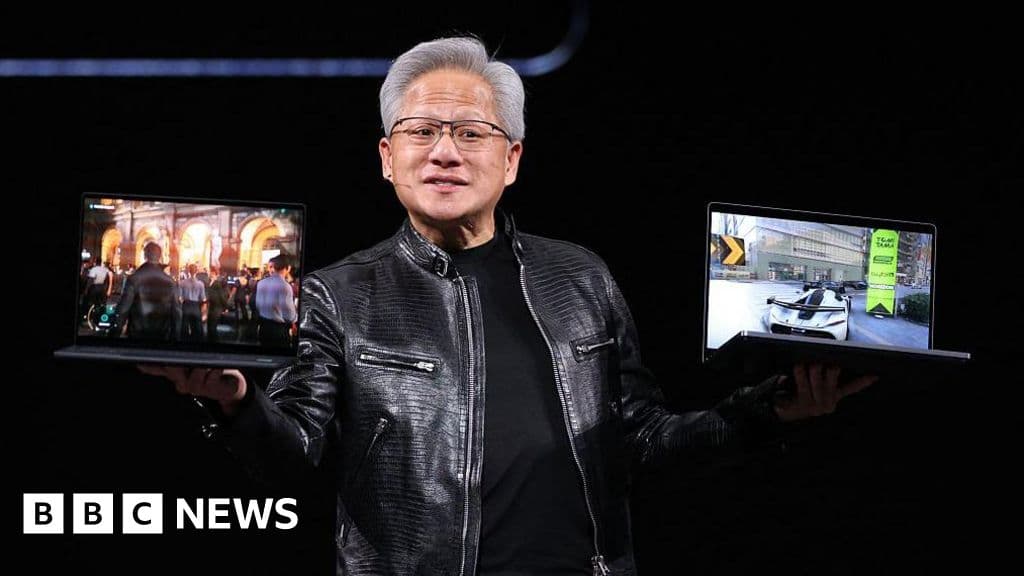
Nvidia's new RTX Spark chip aims to transform personal computing with AI, marking a significant shift in technology. Discover what this means for consumers.
BBC Business
The explosion of Blue Origin's New Glenn rocket raises significant concerns over NASA's lunar ambitions and the future of Amazon's satellite projects. Discover the implications.
BBC Science
Discover how Meta's lack of engagement on user bans raises critical concerns about accountability and transparency in social media governance.
BBC Technology