Glipzo
WorldTechnologyBusinessSportsEntertainmentScienceHealthPolitics
Glipzo
WorldTechnologyBusinessSportsEntertainmentScienceHealthPolitics
  1. Home
  2. /
  3. Technology
  4. /
  5. Meta Announces Closure of Horizon Worlds: What You Need to Know
Meta Announces Closure of Horizon Worlds: What You Need to Know

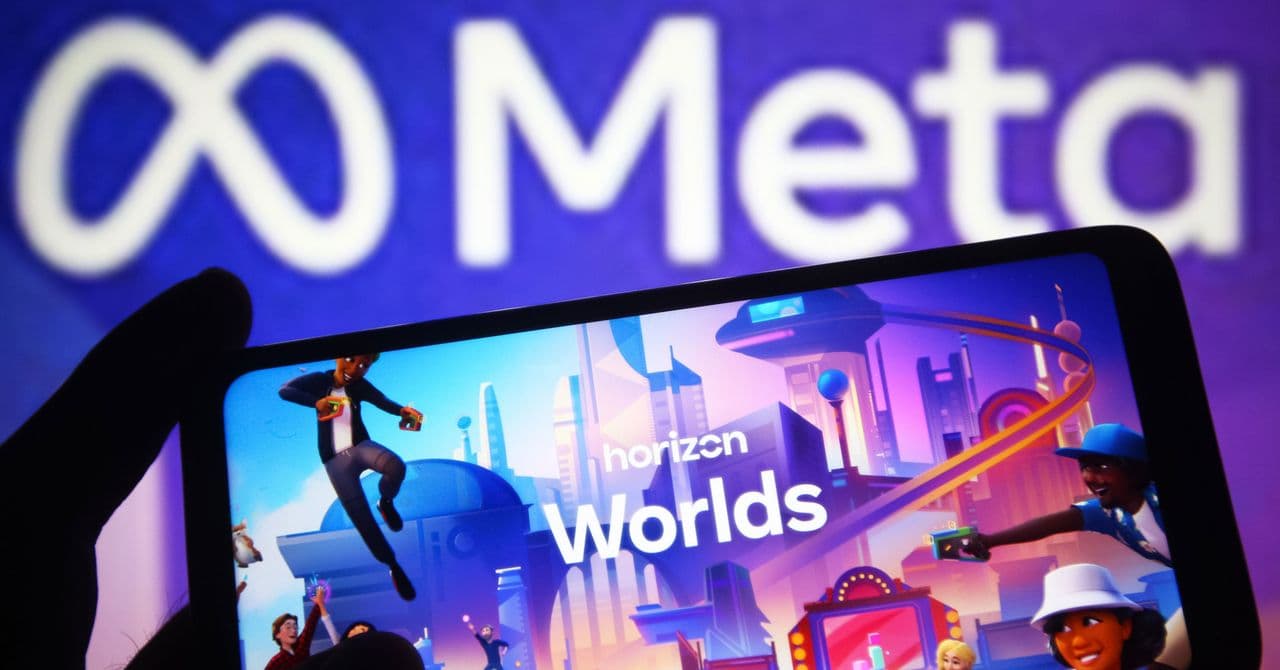
Image: Wired

Technology
Wednesday, March 18, 20265 min read

Meta Announces Closure of Horizon Worlds: What You Need to Know

Meta is shutting down Horizon Worlds on March 31, marking a significant shift in its VR strategy. Discover what this means for the future of virtual reality.

Glipzo News Desk|Source: Wired
Share
Glipzo

Key Highlights

  • Meta shuts down Horizon Worlds, ending its VR experiment.
  • Key features will vanish by June 15, 2024, including Meta Credits.
  • The platform struggled to capture audience interest since launch.
  • Industry experts suggest this was a necessary pivot for Meta.
  • Future VR focus will shift towards AI and new hardware development.

In this article

  • Meta Ends Horizon Worlds: A Shift in Virtual Reality Strategy Meta Platforms, Inc. recently announced a significant change in its virtual reality landscape by shutting down **Horizon Worlds**, a once-promising social VR platform. In a notification sent to users, Meta revealed that the service will cease to exist on its **Quest VR headsets** starting **March 31**, as the platform will be removed from the Quest store. Following this, all features associated with Horizon Worlds, including **Meta Credits**, avatars, and various in-world purchases, will be eliminated by **June 15**. After this date, the service will only be accessible as a mobile application.
  • The Rise and Fall of Horizon Worlds Horizon Worlds was initially heralded as Meta’s ambitious entry into the metaverse, a concept inspired by **Neal Stephenson’s Snow Crash**. The company was so committed to this vision that it rebranded from **Facebook** to **Meta** to reflect its dedication to building a fully immersive virtual environment. However, the platform struggled to gain traction and has been plagued by criticism since its inception.
  • The Future of Meta's VR Initiatives Following the closure of Horizon Worlds, Meta is pivoting its strategy to focus on other areas of virtual reality. The company maintains that it will continue investing in VR technology, as indicated in a recent press statement. “We have a robust road map of future VR headsets that will be tailored to different audience segments as the market grows and matures,” the statement noted. Meta asserts that it remains the largest investor in the VR industry, citing its belief in VR as a crucial technology for the next generation of computing.
  • Horizon Worlds: A Lesson in VR Development The closure of Horizon Worlds serves as a cautionary tale for tech companies exploring the metaverse. The platform was essentially a gamble that failed to resonate with users, revealing that the public may not be ready to fully embrace VR in the way Meta envisioned. Industry analysts, like **Anshel Sag** from Moor Insights & Strategy, suggest that the service should have been discontinued long ago, citing a lack of engagement and user retention.
  • What Lies Ahead for Meta and the VR Industry As Meta transitions away from Horizon Worlds, the implications for the company and the VR market at large are profound. The decision reflects a necessary pivot towards areas with more potential for growth, such as AI and smart devices. Moving forward, it will be crucial for Meta to leverage its resources effectively to develop compelling VR offerings that meet user demands.

Meta Ends Horizon Worlds: A Shift in Virtual Reality Strategy Meta Platforms, Inc. recently announced a significant change in its virtual reality landscape by shutting down **Horizon Worlds**, a once-promising social VR platform. In a notification sent to users, Meta revealed that the service will cease to exist on its **Quest VR headsets** starting **March 31**, as the platform will be removed from the Quest store. Following this, all features associated with Horizon Worlds, including **Meta Credits**, avatars, and various in-world purchases, will be eliminated by **June 15**. After this date, the service will only be accessible as a mobile application.

This decision comes on the heels of substantial layoffs within Meta's Reality Labs division, where the company reduced its workforce by 10% in February. This move underscores a broader reevaluation of its VR strategy, shifting focus away from Horizon Worlds and towards other technologies like artificial intelligence and smart glasses.

The Rise and Fall of Horizon Worlds Horizon Worlds was initially heralded as Meta’s ambitious entry into the metaverse, a concept inspired by **Neal Stephenson’s Snow Crash**. The company was so committed to this vision that it rebranded from **Facebook** to **Meta** to reflect its dedication to building a fully immersive virtual environment. However, the platform struggled to gain traction and has been plagued by criticism since its inception.

Users took to forums like r/oculus to voice their frustrations, often poking fun at the platform's limitations. One of the most notable critiques was the bizarre design of avatars, which initially lacked legs, leading to the creation of memes surrounding Mark Zuckerberg’s digital likeness. The demographic using Horizon Worlds skewed heavily towards children, who often engaged in chaotic behavior, such as throwing digital food items, further hampering the platform's appeal to a broader audience.

Despite Meta's investment of billions into Horizon Worlds, including partnerships for virtual concerts featuring major artists like Imagine Dragons and Coldplay, it struggled to compete with established social VR platforms like VRChat. VRChat provided a more engaging user experience, allowing for community-driven events like virtual raves and even presidential elections, highlighting a stark contrast to Horizon Worlds’ underwhelming reception.

The Future of Meta's VR Initiatives Following the closure of Horizon Worlds, Meta is pivoting its strategy to focus on other areas of virtual reality. The company maintains that it will continue investing in VR technology, as indicated in a recent press statement. “We have a robust road map of future VR headsets that will be tailored to different audience segments as the market grows and matures,” the statement noted. Meta asserts that it remains the largest investor in the VR industry, citing its belief in VR as a crucial technology for the next generation of computing.

Mike Proulx, a vice president at market research firm Forrester, commented on this shift, stating, “Meta’s pivot on Horizon Worlds is the predicted and inevitable outcome of a big, risky bet that never found an audience.” This sentiment reflects broader concerns about the viability of mass social platforms that rely heavily on hardware adoption, which many consumers are reluctant to embrace.

Horizon Worlds: A Lesson in VR Development The closure of Horizon Worlds serves as a cautionary tale for tech companies exploring the metaverse. The platform was essentially a gamble that failed to resonate with users, revealing that the public may not be ready to fully embrace VR in the way Meta envisioned. Industry analysts, like **Anshel Sag** from Moor Insights & Strategy, suggest that the service should have been discontinued long ago, citing a lack of engagement and user retention.

As Meta recalibrates its approach, competition in the VR space remains intense. Companies like Valve, Samsung, and ByteDance are advancing their VR technologies, with upcoming releases such as the Steam Frame headset and Pico's Project Swan expected to hit the market in the next few years. Additionally, Apple's Vision Pro continues to evolve, hinting at a future where high-quality VR experiences might become more mainstream.

What Lies Ahead for Meta and the VR Industry As Meta transitions away from Horizon Worlds, the implications for the company and the VR market at large are profound. The decision reflects a necessary pivot towards areas with more potential for growth, such as AI and smart devices. Moving forward, it will be crucial for Meta to leverage its resources effectively to develop compelling VR offerings that meet user demands.

In summary, while the closure of Horizon Worlds marks the end of an era for Meta's VR ambitions, it also opens the door for new possibilities. The future will likely see the emergence of more user-friendly, engaging VR experiences as the technology continues to evolve. Meta's next moves, especially regarding new hardware and software developments, will be closely watched by industry analysts and consumers alike, as everyone anticipates how the company will redefine its presence in the virtual reality landscape.
Did you find this article useful? Share it!

Share

Related Articles

How the METR Chart Is Shaping the AI Boom's Future
Technology
Apr 19, 2026

How the METR Chart Is Shaping the AI Boom's Future

Discover how the METR time-horizon chart is reshaping the AI boom and influencing investments, public discourse, and technology development.

Indian Express
Shocking Humanoid Robots Outrun Humans in Beijing Marathon
Technology
Apr 19, 2026

Shocking Humanoid Robots Outrun Humans in Beijing Marathon

Humanoid robots outrun human athletes in Beijing's half-marathon, showcasing China's advanced robotics and AI capabilities. Discover what’s next for this technology!

Indian Express
Breaking: Anthropic Meets White House Amid AI Controversy
Technology
Apr 18, 2026

Breaking: Anthropic Meets White House Amid AI Controversy

Discover the implications of the White House's meeting with Anthropic amid ongoing legal battles and concerns surrounding the AI tool Claude Mythos.

BBC Technology

Categories

  • World
  • Technology
  • Business
  • Sports

More

  • Entertainment
  • Science
  • Health
  • Politics

Explore

  • Web Stories
  • About Us
  • Contact

Legal

  • Privacy Policy
  • Terms of Service

© 2026 Glipzo. All rights reserved.