
Glipzo
WorldTechnologyBusinessSportsEntertainmentScienceHealthPolitics
Glipzo
WorldTechnologyBusinessSportsEntertainmentScienceHealthPolitics
  1. Home
  2. /
  3. Politics
  4. /
  5. MEA Condemns Attacks on Energy Infrastructure Amid Middle East Tensions
MEA Condemns Attacks on Energy Infrastructure Amid Middle East Tensions

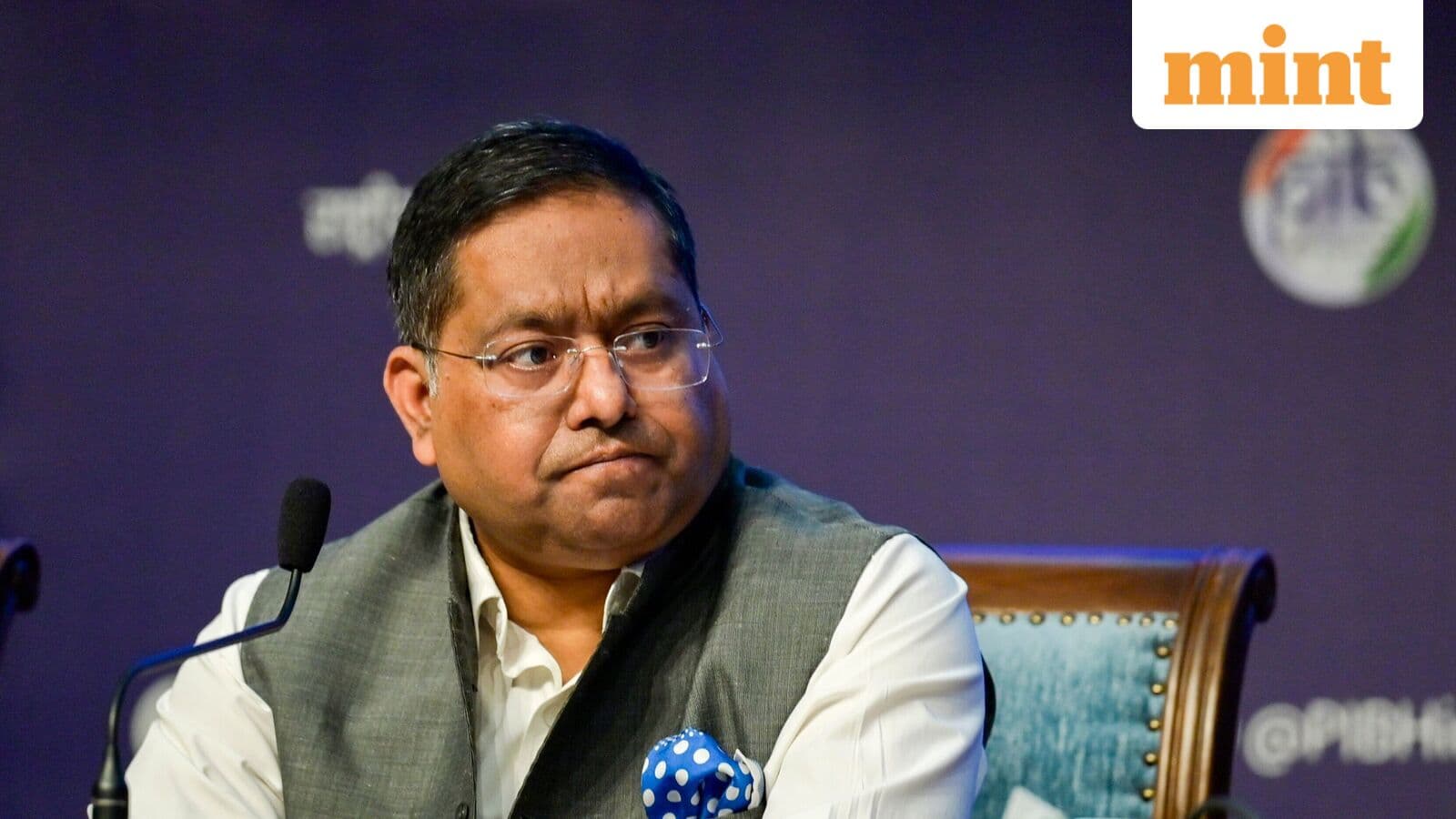
Image: Mint (Business)

Politics
Thursday, March 19, 20265 min read

MEA Condemns Attacks on Energy Infrastructure Amid Middle East Tensions

India's MEA condemns attacks on Gulf energy infrastructure, urging immediate cessation to prevent further market destabilization amid escalating tensions.

Glipzo News Desk|Source: Mint (Business)
Share
Glipzo

Key Highlights

  • MEA calls attacks on Gulf energy infrastructure 'unacceptable.'
  • Global crude oil prices surge to $115 per barrel amid conflict.
  • PM Modi engages with Gulf leaders to promote dialogue and peace.
  • Iranian retaliation following Israeli strikes raises regional tensions.
  • Diplomatic efforts are crucial for restoring stability in West Asia.

In this article

  • India Takes a Stand on Energy Infrastructure Attacks In a strong condemnation, the **Ministry of External Affairs (MEA)** in India has expressed serious concerns over the recent attacks targeting energy infrastructure in the **Gulf region**. The ministry labeled these assaults as "**unacceptable and need to cease**," highlighting the urgency of stability in the ongoing conflict. The alarming rise in violence comes at a time when the geopolitical landscape of **West Asia** is already fraught with tension and uncertainty.
  • Escalating Violence and Economic Repercussions The backdrop of this condemnation is a series of escalating confrontations, notably an **Israeli strike on Iran's key gas fields** in South Pars. This attack triggered a fierce Iranian response targeting significant energy installations in several Gulf nations, including the crucial **Ras Laffan LNG hub** in Qatar, which supplies nearly **40 percent of India's LNG requirements**. As a result of these conflicts, global crude oil prices surged to an alarming **$115 per barrel**, raising concerns about energy security worldwide.
  • Diplomatic Efforts to Restore Stability During his discussions with world leaders, PM Modi reiterated India's condemnation of the current violations of Oman's sovereignty, appreciating the nation's efforts in ensuring the safe return of stranded individuals, including Indian nationals. He affirmed, "India and Oman stand for safe and free navigation through the Strait of Hormuz."
  • Global Calls for De-escalation As the conflict continues to escalate, the international community is also voicing concerns. French President Macron called for urgent measures to open pathways toward de-escalation, emphasizing the need for stability in the Middle East. He stated, "It is time to open a path towards de-escalation in order to restore stability in the Middle East."
  • Why It Matters The MEA's condemnation of the attacks on energy infrastructure signifies India’s proactive stance on international security and economic stability. Given that India heavily relies on energy imports from the Gulf region, the ongoing conflicts could have far-reaching implications for India’s energy security and economic landscape.
  • What’s Next? As tensions continue to rise in West Asia, the international community will be watching closely for any signs of escalation or de-escalation. The focus will likely remain on diplomatic efforts to resolve the crisis and prevent further attacks on energy infrastructure. Observers will be keen to see how India continues to navigate its relationships in the Gulf, especially amid the complex geopolitical dynamics at play.

India Takes a Stand on Energy Infrastructure Attacks In a strong condemnation, the **Ministry of External Affairs (MEA)** in India has expressed serious concerns over the recent attacks targeting energy infrastructure in the **Gulf region**. The ministry labeled these assaults as "**unacceptable and need to cease**," highlighting the urgency of stability in the ongoing conflict. The alarming rise in violence comes at a time when the geopolitical landscape of **West Asia** is already fraught with tension and uncertainty.

The spokesperson for the External Affairs Ministry, Randhir Jaiswal, described the situation as "deeply disturbing," emphasizing that such attacks only contribute to the destabilization of an already volatile energy market. His remarks were made during a weekly media briefing, where he reiterated India’s long-standing call for the protection of civilian infrastructure, particularly in energy sectors across the region.

"The recent attacks against energy installations in different locations across this region are therefore deeply disturbing and only serve to further destabilise an already uncertain energy scenario for the whole world," Jaiswal stated. He underscored the necessity for immediate cessation of these attacks, although he refrained from directly naming any specific countries involved in the aggression.

Escalating Violence and Economic Repercussions The backdrop of this condemnation is a series of escalating confrontations, notably an **Israeli strike on Iran's key gas fields** in South Pars. This attack triggered a fierce Iranian response targeting significant energy installations in several Gulf nations, including the crucial **Ras Laffan LNG hub** in Qatar, which supplies nearly **40 percent of India's LNG requirements**. As a result of these conflicts, global crude oil prices surged to an alarming **$115 per barrel**, raising concerns about energy security worldwide.

Amid these crises, Prime Minister Narendra Modi has been actively engaging with leaders from the Gulf region and beyond. He held discussions with Oman’s Sultan Haitham bin Tariq, Jordan's King Abdullah II, French President Emmanuel Macron, and Malaysian Prime Minister Anwar Ibrahim to address the increasingly precarious situation in West Asia.

In his conversation with Sultan Haitham, Modi emphasized the importance of maintaining free navigation through the Strait of Hormuz, a vital shipping lane that is crucial for global oil transport. He stated, "We agreed on the need to prioritise dialogue and diplomacy for de-escalation and subsequent restoration of peace and stability."

Diplomatic Efforts to Restore Stability During his discussions with world leaders, PM Modi reiterated India's condemnation of the current violations of Oman's sovereignty, appreciating the nation's efforts in ensuring the safe return of stranded individuals, including Indian nationals. He affirmed, "India and Oman stand for safe and free navigation through the Strait of Hormuz."

The prime minister's diplomatic outreach also included conversations with French President Macron, where he highlighted the necessity for de-escalation and a return to dialogue. Modi remarked, "We look forward to continuing our close coordination to advance peace and stability in the region and beyond."

In his talks with Jordan's King Abdullah II, Modi expressed mutual concerns regarding the evolving situation in West Asia, stating, "We expressed concern at the evolving situation in West Asia and highlighted the need for dialogue and diplomacy for the early restoration of peace, security and stability in the region."

Global Calls for De-escalation As the conflict continues to escalate, the international community is also voicing concerns. French President Macron called for urgent measures to open pathways toward de-escalation, emphasizing the need for stability in the Middle East. He stated, "It is time to open a path towards de-escalation in order to restore stability in the Middle East."

The rapid deterioration of the situation has prompted leaders globally to urge for restraint and a return to diplomatic solutions. They highlight that further military confrontations could lead to irreversible consequences not only for the region but for the global economy.

Why It Matters The MEA's condemnation of the attacks on energy infrastructure signifies India’s proactive stance on international security and economic stability. Given that India heavily relies on energy imports from the Gulf region, the ongoing conflicts could have far-reaching implications for India’s energy security and economic landscape.

This situation is critical not just for regional players but also for global markets, particularly as energy prices continue to fluctuate dramatically amid the uncertainty. The diplomatic efforts led by Prime Minister Modi reflect India’s commitment to fostering peace and stability in an increasingly volatile world.

What’s Next? As tensions continue to rise in West Asia, the international community will be watching closely for any signs of escalation or de-escalation. The focus will likely remain on diplomatic efforts to resolve the crisis and prevent further attacks on energy infrastructure. Observers will be keen to see how India continues to navigate its relationships in the Gulf, especially amid the complex geopolitical dynamics at play.

The coming weeks will be crucial in determining whether dialogue can prevail over conflict and whether global energy markets can stabilize in the face of mounting pressures.

Did you find this article useful? Share it!

Share

Related Articles

Critical Election Commission Discrepancies Impact Voter Rolls
Politics
Apr 21, 2026

Critical Election Commission Discrepancies Impact Voter Rolls

Major discrepancies in West Bengal voter rolls raise concerns. Can over 20 million households uplift their status by quitting tobacco? Explore the impact.

Indian Express
Government Unveils Major Plan to Change Electricity Pricing
Politics
Apr 21, 2026

Government Unveils Major Plan to Change Electricity Pricing

UK government plans to change electricity pricing to reduce gas price volatility, enhancing consumer protection and promoting clean energy.

BBC Business
Shocking Shreveport Shooting: 8 Children Killed, Survivors Escape
Politics
Apr 21, 2026

Shocking Shreveport Shooting: 8 Children Killed, Survivors Escape

A shocking mass shooting in Shreveport, LA, leaves eight children dead and survivors escaping to safety. What led to this tragedy? Find out here.

BBC World

Categories

  • World
  • Technology
  • Business
  • Sports

More

  • Entertainment
  • Science
  • Health
  • Politics

Explore

  • Web Stories
  • About Us
  • Contact

Legal

  • Privacy Policy
  • Terms of Service

© 2026 Glipzo. All rights reserved.

