
Image: Mint (Business)
Mark Twain's quote on dissatisfaction reveals how it fuels heroism. Discover how ambition drives progress and inspires change in society today.
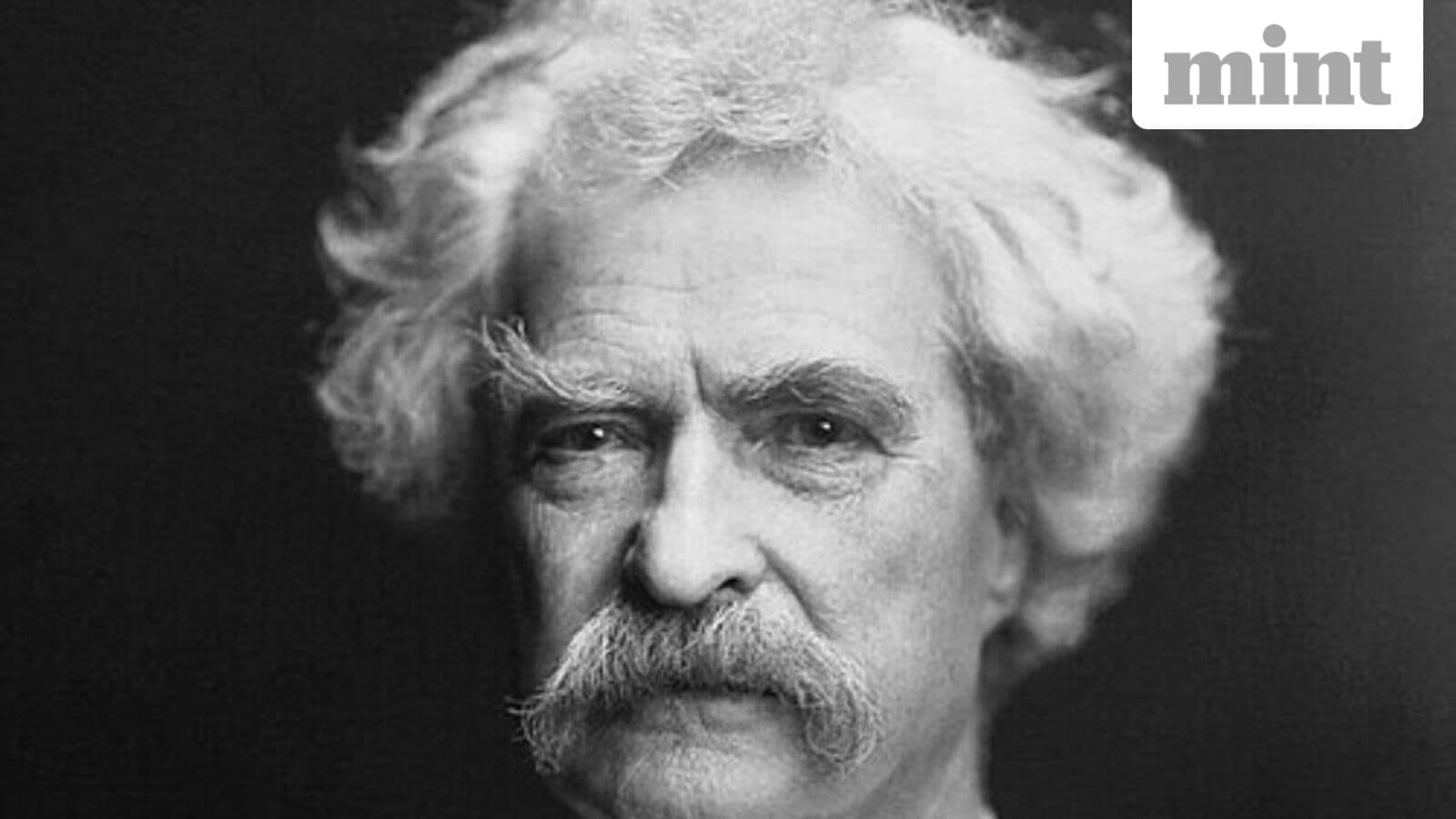
GlipzoMark Twain’s profound statement, “If everyone was satisfied with himself, there would be no heroes,” encapsulates a vital truth about human ambition and societal progress. This assertion highlights the essence of dissatisfaction as a catalyst for heroism, suggesting that true progress stems from a collective desire to improve oneself and the world around us. When individuals are content, the drive for change diminishes, and consequently, so does the emergence of heroes.
Mark Twain, born Samuel Langhorne Clemens in 1835 in Missouri, is renowned as one of America's foremost literary figures. His notable works, such as The Adventures of Tom Sawyer and Adventures of Huckleberry Finn, blend humor with sharp social commentary, challenging societal norms and injustices. Often regarded as the father of American literature, Twain's legacy continues to influence writers and thinkers, emphasizing the importance of questioning complacency.
Twain's quote serves as a powerful reminder that heroism is often born from a state of discontent. When individuals find themselves unsatisfied, it ignites a spark that compels them to act. This drive manifests in various forms, from personal growth to social activism. Dissatisfaction propels individuals to take risks, advocate for change, and confront injustice, ultimately leading to acts of courage that define heroism.
Consider the implications of a world where everyone is fully satisfied. Without the urge to challenge the status quo, society would likely stagnate, stifling progress and innovation. Heroes arise when ordinary individuals refuse to accept existing conditions and instead strive for a greater cause. In this light, it becomes evident that dissatisfaction can be a powerful motivator, pushing people to embrace courage and make meaningful changes.
Throughout history, heroes have often emerged from the depths of dissatisfaction. Prominent figures such as Martin Luther King Jr., Nelson Mandela, and Malala Yousafzai took courageous stands against oppression and inequality, driven by their discontent with societal injustices. Their unwavering commitment to change has left indelible marks on the world, showcasing how dissatisfaction can lead to monumental shifts in societal norms.
Moreover, everyday heroes frequently arise in ordinary circumstances. Firefighters, doctors, and volunteers often perform acts of bravery driven by a deep-seated desire to help others rather than remaining in their comfort zones. This illustrates that heroism is not limited to grand gestures; it can also be found in the simple acts of kindness and bravery that individuals demonstrate daily.
In today’s world, Twain’s insights resonate more than ever. As we grapple with issues such as inequality, climate change, and political unrest, heroes continue to emerge from those who refuse to accept these challenges as insurmountable. Whether they are scientists working to combat climate change, activists fighting for social justice, or community leaders striving to improve local conditions, these individuals embody Twain's belief that dissatisfaction can lead to heroic actions.
As we witness movements for change, it becomes clear that the spirit of heroism thrives when individuals challenge the status quo. The actions of ordinary citizens often lead to significant transformations in their communities, proving that heroism can manifest at any level.
Understanding Twain’s perspective on dissatisfaction as a driving force for heroism is crucial in fostering a culture of change and progress. It encourages individuals to reflect on their own discontent and consider how they can leverage it to effect positive change in their lives and communities.
The significance of this discourse extends beyond mere reflection; it serves as a call to action. By recognizing that dissatisfaction can fuel ambition, individuals are inspired to take risks, speak out against injustice, and contribute to meaningful change.
As we move forward, it is essential to cultivate environments where dissatisfaction is viewed positively, as a precursor to growth and action. Communities and societies that embrace this mindset are more likely to produce the heroes of tomorrow. As challenges evolve, so too will the heroes who rise to meet them.
In conclusion, Twain’s quote is not just a commentary on human nature but a timeless reminder of the potential for greatness that lies within dissatisfaction. By acknowledging this truth, we can inspire a new generation to rise up, challenge injustices, and ultimately become the heroes our world desperately needs.

Zahan Kapoor reveals an unconventional role in his upcoming film, signaling a significant shift from his breakout success in Black Warrant. What’s next for this rising star?
Bollywood Hungama
Discover how Vishal Jethwa is transforming his physique for Shakti Shalini, emphasizing the mental discipline behind peak fitness.
Bollywood Hungama
Discover the dark truths of urban development in Kammatipaadam, a film that reveals the often-overlooked sacrifices behind city growth.
Indian Express