
Image: BBC World
Discover the complexities of US combat search-and-rescue missions, especially the ongoing efforts in Iran to rescue a downed F-15 pilot. What’s at stake?
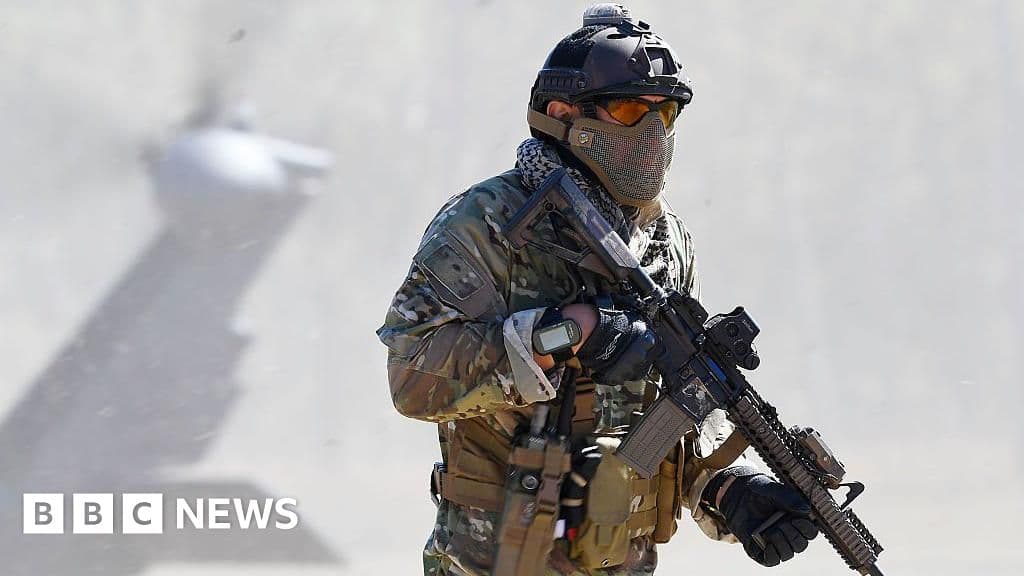
GlipzoRecent reports have surfaced regarding the pilot of a US F-15 fighter jet that was reportedly downed over Iran. If confirmed, this incident represents the latest chapter in the storied tradition of US combat search-and-rescue missions (CSAR) that have taken place over many decades. Currently, rescue operations are underway in Iran, focusing on locating a second crew member, as per reports from CBS and the BBC.
CSAR missions are among the most challenging and urgent military operations that the US and its allies undertake. These missions are designed to search for, aid, and extract personnel, such as downed pilots and isolated troops, from hostile environments. Unlike standard search-and-rescue operations that may occur in peaceful or disaster-stricken areas, CSAR missions unfold in contested territories, often under the threat of enemy engagement.
The time-sensitive nature of CSAR operations cannot be overstated. Enemy forces are likely to be present in the same vicinity, seeking the very personnel that CSAR teams strive to rescue. On Friday, videos emerged from Iran’s Khuzestan province, purportedly showing US military helicopters and at least one refueling aircraft in action—an indication of the ongoing mission's complexity and immediacy.
Traditionally, helicopters have been the backbone of CSAR missions, supported by refueling aircraft and other military assets ready to conduct strikes or patrols, ensuring a comprehensive response to the evolving battlefield environment. This layered approach enhances the chances of successful rescue while minimizing risks to personnel involved.
The history of airborne rescue operations spans back to World War I, when pilots made courageous landing attempts in enemy territory to save their comrades. The legacy of the US military's pararescue units can be traced back to 1943, when two combat surgeons parachuted into Burma—now known as Myanmar—to treat injured soldiers. In 1944, the first recorded helicopter rescue was conducted by a US lieutenant who successfully extracted four soldiers from behind Japanese lines, marking a significant advancement in combat rescue capabilities.
After World War II, formal search-and-rescue units were established, evolving significantly during the Vietnam War. One notable operation, Bat 21, illustrated the complexities of CSAR missions, resulting in multiple aircraft losses and American casualties while attempting to recover a downed pilot from enemy territory. Insights gained from these experiences laid the groundwork for modern rescue tactics and procedures, shaping how the military conducts CSAR missions today.
Among the various branches of the military, the US Air Force holds the primary responsibility for personnel recovery and rescue missions. The individuals tasked with this crucial role are known as pararescuemen, who are part of the military's overall special-operations community. Their commitment is encapsulated in their motto: "These Things We Do, That Others May Live." This reflects a broader promise to service members that they will never be abandoned in times of peril.
Pararescuemen undergo rigorous training to excel both as combatants and skilled paramedics. The selection process is notoriously challenging, lasting about two years and encompassing various training elements, including parachuting, diving, underwater demolition, survival tactics, and extensive medical training. Approximately 80% of candidates do not complete the program, underscoring the demanding nature of this elite role.
As the situation in Iran continues to develop, the ongoing CSAR efforts serve as a reminder of the risks and complexities associated with military operations in hostile environments. The US military is continually adapting its strategies to ensure the safety of its personnel, especially as geopolitical tensions increase.
The rescue of the downed F-15 pilot could have significant ramifications, both for US-Iran relations and for the future conduct of military operations in the region. Observers will be keenly watching how the operation unfolds and what it means for US commitments to protect its service members abroad.
In conclusion, the unfolding events in Iran highlight the critical nature of combat search-and-rescue missions, underscoring the dedication and skill of those who undertake them. As the military continues to confront evolving challenges, the legacy of CSAR missions will undoubtedly play a pivotal role in shaping the future of personnel recovery operations in conflict zones around the world.
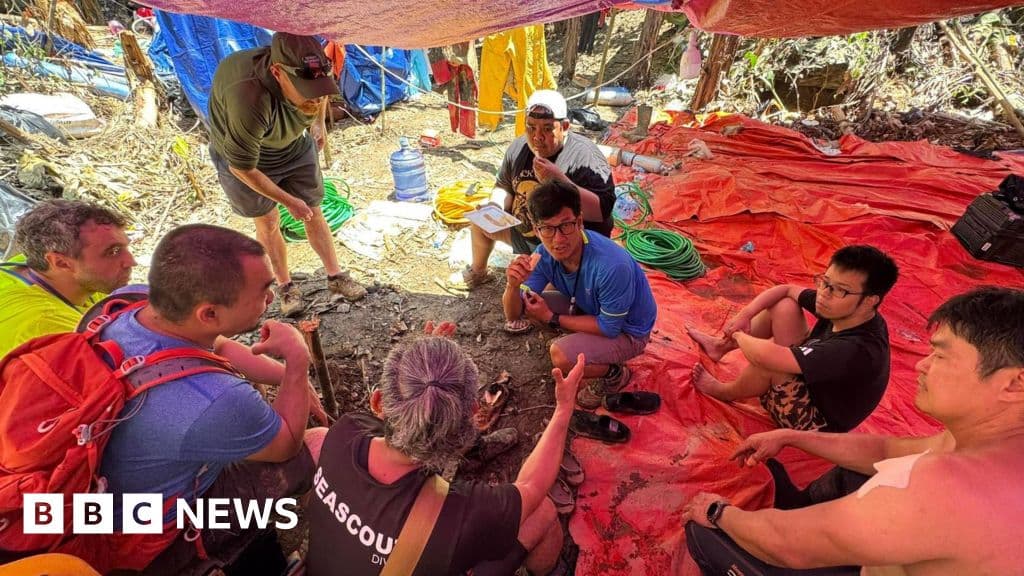
Survivors of the Laos cave rescue are aiding efforts to find the last two missing men trapped inside, sharing crucial insights for the search operation.
BBC World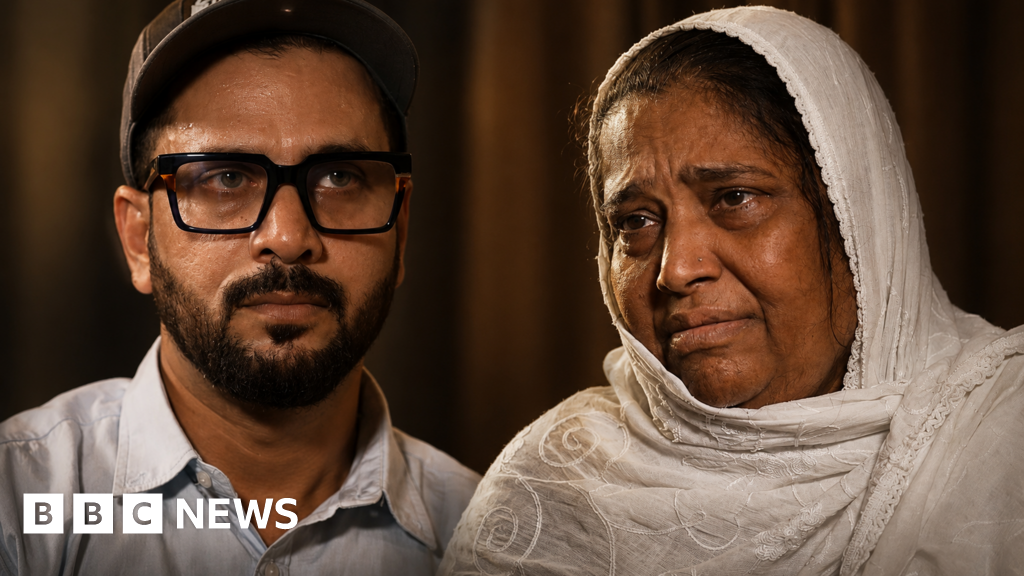
A year after the tragic Air India crash, the Ali family reflects on grief, unanswered questions, and the enduring bonds of love in the face of loss.
BBC Business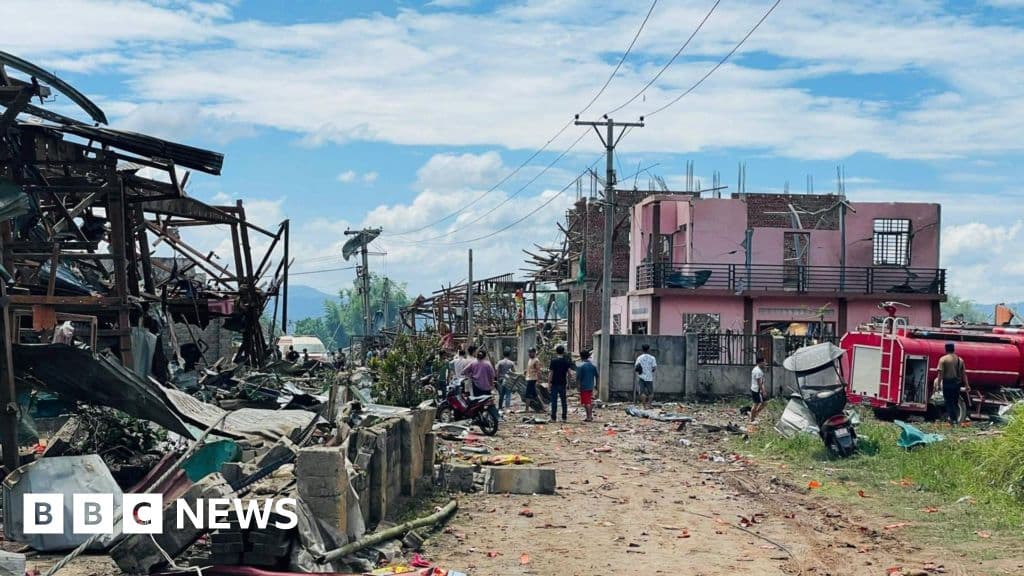
A devastating explosion in Myanmar's Kaung Tat village has killed at least 55 people, raising serious safety concerns and questions about civilian protection in conflict zones.
BBC World