
Image: BBC World
Is a US-Iran deal on the horizon? Vice-President JD Vance reveals negotiations are close, but major sticking points remain. What’s next?
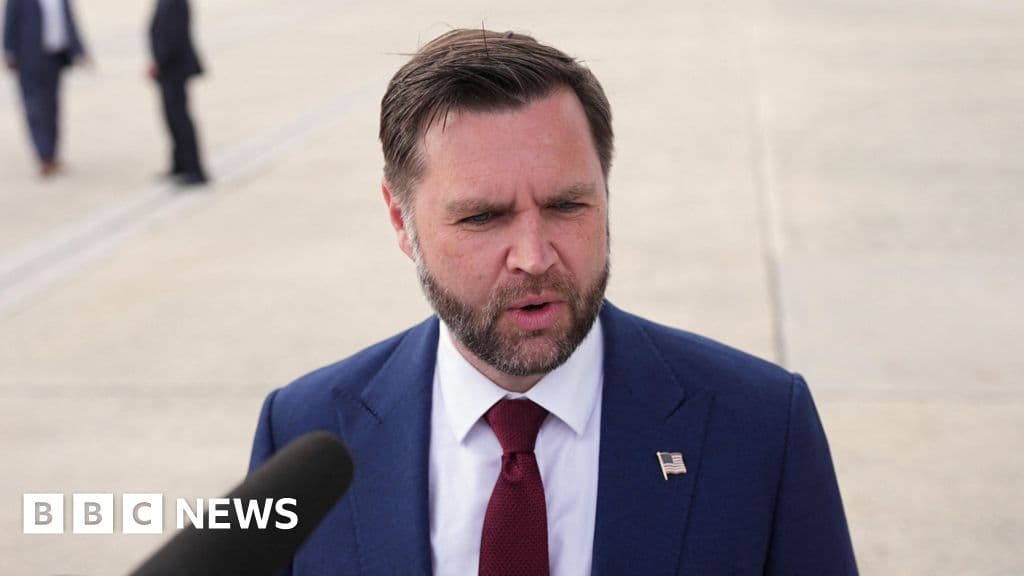
GlipzoThe ongoing negotiations between the United States and Iran are inching closer to a potential agreement, although significant hurdles still remain. Vice-President JD Vance recently stated that while a deal is on the horizon, the two nations must resolve critical sticking points before anything is finalized.
In an interview with the BBC, Vance was cautious about predicting when or if an agreement would be reached, emphasizing that the discussions are still fluid. The proposed deal is believed to extend the current ceasefire by an additional 60 days and initiate talks regarding the future of Iran's nuclear program, a contentious issue that has been at the heart of tensions for years.
On Thursday, US officials indicated that both countries had reached a preliminary framework for an agreement, pending endorsement from President Donald Trump and Iran's leadership. However, reports from Iran's Tasnim news agency contradicted this, stating that no final agreement had been confirmed. This discrepancy highlights the precarious nature of the ongoing negotiations.
Vance, speaking from Washington D.C., noted that negotiators were still “going back and forth” on several critical language points. One major area of contention is the “question of enrichment.” Vance maintained an optimistic outlook, asserting that the US believes the Iranian side is negotiating in “good faith.”
Since the initial ceasefire took effect on April 8, Trump has repeatedly suggested that a deal is imminent. However, despite these assurances, tangible results have yet to materialize. The president faces increasing pressure to bring an end to the conflict, not only from Gulf state allies but also from Democrats and some Republicans in Congress who have voiced concerns about the protracted nature of the war.
The recent conflicting reports regarding the potential agreement underscore the uncertainty surrounding the negotiations. Both sides have issued contradictory statements, raising questions about the actual status of talks and how close they are to achieving a peaceful resolution.
Trump and other officials have reiterated that “option B”—a return to combat operations—remains a possibility. Extending the ceasefire would provide both US and Iranian teams the necessary time to navigate the more intricate aspects of Iran's nuclear program, particularly concerning its stockpile of highly enriched uranium, which has been a major concern for the international community.
Reports suggest that the proposed deal may allow for “unrestricted” passage through the Strait of Hormuz, a vital shipping lane through which a significant portion of the world's oil and natural gas passes. Iran would reportedly have 30 days to clear mines from this critical waterway, while the US would lift its blockade and issue sanction waivers, enabling Iran to resume oil sales.
According to Axios, which first reported on the tentative agreement, Trump has been briefed but has yet to give the green light, indicating that he will take a few days to consider the proposal. On Wednesday, Iranian state media presented details of what they claimed was an unofficial draft of a 14-point memorandum of understanding between the two nations.
This draft reportedly included: - Lifting the US naval blockade of Iranian ports - Withdrawal of US forces from the vicinity of Iran - Restoration of non-military traffic through the Strait of Hormuz
In response, the White House labeled the memorandum draft as a “complete fabrication.” The implications of any agreement are enormous, given that one-fifth of the world’s liquefied natural gas and oil typically transits through the Strait of Hormuz. Any disruption here could significantly impact global fuel markets.
In a briefing earlier on Thursday, Treasury Secretary Scott Bessent refrained from confirming any agreements, emphasizing that it would be premature to speculate before the president has made a decision.
As the world watches closely, the upcoming days will be crucial in determining whether the US and Iran can finally come to a concrete agreement that addresses the complexities of their longstanding conflict. The outcome of these negotiations could reshape not only the future of US-Iran relations but also the broader geopolitical landscape in the Middle East.
As both sides continue to negotiate, the focus will remain on how they choose to address the key issues, particularly concerning Iran's nuclear ambitions and regional security concerns. The international community will be keen to see if this effort leads to lasting peace or if the tensions will escalate once more, leading to further conflict.
In the end, the stakes are high, and the world waits with bated breath to see if diplomacy will prevail over military action.

Tensions soar as the US and Iran engage in air strikes near the Strait of Hormuz, raising concerns over global oil supply and regional stability.
BBC World
Trump's international interventions face serious stalemates. What will this mean for U.S. foreign policy? Explore the critical challenges ahead.
Indian Express
Tehran denies resignation of President Masoud Pezeshkian amid claims of IRGC influence. What does this mean for Iran's political stability? Click to learn more!
Indian Express