
Image: The Hindu
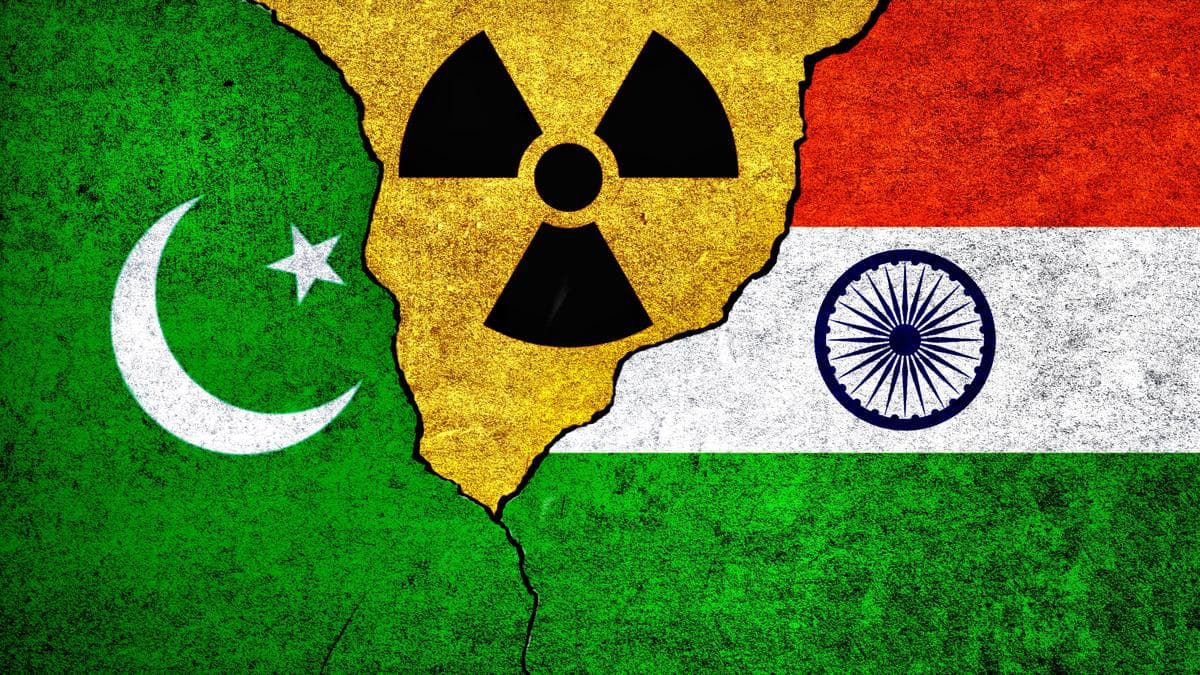
The U.S. report warns of nuclear risks between India and Pakistan due to terrorism and military tensions. Discover the implications for global security.
GlipzoIn a striking revelation, the U.S. Intelligence Community has outlined the precarious relationship between India and Pakistan in its Annual Threat Assessment presented to the Senate on March 18, 2026. Despite both nations' apparent desire to avoid conflict, the report underscores the potential for nuclear escalation due to ongoing tensions and terrorist activities in the region.
The 34-page report highlights that while neither India nor Pakistan actively seeks war, the danger posed by terrorist groups remains significant. These groups often act as catalysts for crises that could spiral out of control, leading to armed conflict between the two nuclear-armed nations. The assessment specifically mentions a terrorist attack near Pahalgam in the Indian Union Territory of Jammu and Kashmir last year as a stark reminder of how such incidents can ignite tensions.
The report states, “India-Pakistan relations remain a risk for nuclear conflict given past conflicts where these two nuclear states squared off, creating the danger of escalation.” It also acknowledges the crucial role of diplomacy, noting that intervention by President Trump helped de-escalate recent nuclear tensions. However, the underlying conditions that allow terrorist activities to thrive remain a persistent threat.
In addition to the India-Pakistan dynamic, the report delves into the broader security landscape of South Asia. It notes that ISIS-K (Islamic State – Khorasan Province) is still active in the region, aiming to launch external attacks. However, the Taliban has been stepping up its efforts to combat ISIS-K, conducting extensive raids against its targets. These actions have reportedly thwarted several planned attacks and forced some ISIS-K leaders to seek refuge in neighboring countries.
The report also emphasizes the tense relations between Pakistan and the Taliban, highlighting the intermittent cross-border clashes that have arisen from Pakistan's frustration over anti-Pakistan terrorist groups operating from Afghan soil. This tension escalated when the Taliban launched strikes against Pakistani military positions on February 26, claiming these actions were retaliation for prior airstrikes by Pakistan. In a significant development, Pakistan responded with airstrikes targeting Afghan border provinces and even the capital, Kabul, marking a notable escalation in military engagement.
The ongoing clashes have raised alarms within military circles. Pakistan’s army chief recently warned that achieving lasting peace in the region necessitates the Taliban cutting ties with militants who pose a threat to Pakistan. Although the Taliban publicly advocates for dialogue, it has denied harboring anti-Pakistani militants, leaving many to question its true intentions.
The implications of these findings are profound. The specter of a nuclear conflict between India and Pakistan not only threatens the two nations but also poses a significant risk to global security. As both countries continue to develop their military capabilities, including sophisticated missile technology, the potential for a catastrophic miscalculation grows. The report suggests that if current trends continue, Pakistan could develop Intercontinental Ballistic Missiles (ICBMs) capable of striking targets beyond South Asia, including the United States.
In conclusion, the U.S. Intelligence report serves as a vital reminder of the fragile nature of peace in South Asia. The risks of nuclear conflict remain ever-present, driven by both historical animosities and current geopolitical realities. As the world watches, the need for effective dialogue, conflict resolution, and counter-terrorism strategies becomes increasingly urgent.

Tensions soar as the US and Iran engage in air strikes near the Strait of Hormuz, raising concerns over global oil supply and regional stability.
BBC World
Trump's international interventions face serious stalemates. What will this mean for U.S. foreign policy? Explore the critical challenges ahead.
Indian Express
Tehran denies resignation of President Masoud Pezeshkian amid claims of IRGC influence. What does this mean for Iran's political stability? Click to learn more!
Indian Express