
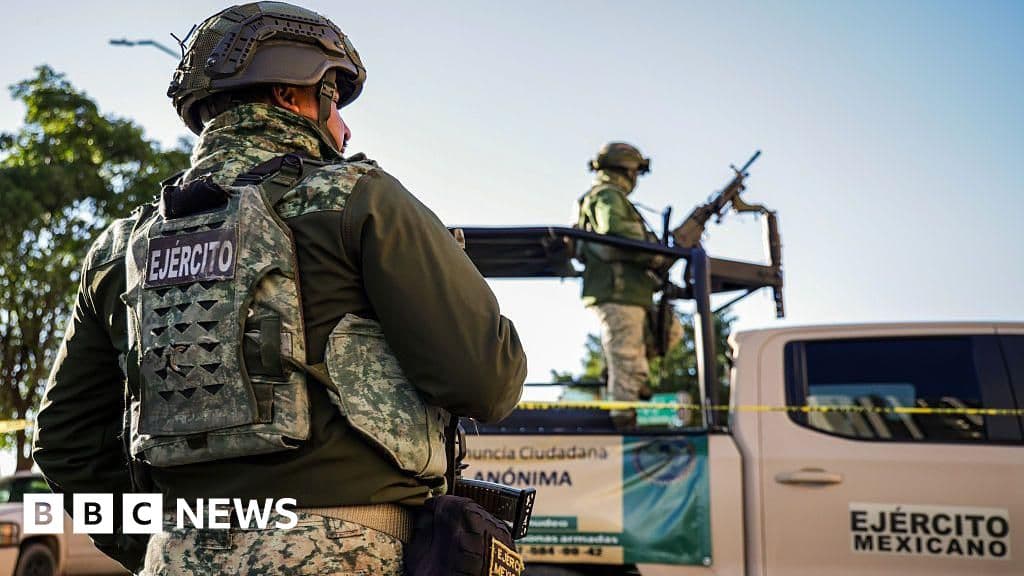
Image: BBC World
US charges Sinaloa Governor Rúben Rocha Moya with cartel ties. Discover the implications of this unprecedented indictment and what it means for Mexico.
GlipzoUS prosecutors have made headlines with serious allegations against Rúben Rocha Moya, the sitting governor of Sinaloa, Mexico. On Wednesday, a New York indictment accused Moya of conspiring with drug cartel leaders, specifically the infamous Sinaloa Cartel, notorious for its role in the international narcotics trade. This unprecedented move raises significant questions about the integrity of Mexican officials and the ongoing fight against drug trafficking.
Sinaloa is not just Moya’s home state; it is the birthplace of the Sinaloa Cartel, a criminal organization that has historically controlled large areas of drug trafficking into the United States. The cartel is currently embroiled in violent power struggles, particularly between factions known as Los Chapitos and others vying for dominance. Moya’s alleged ties to the cartel have long been the subject of speculation, and now formal charges have added a new layer of complexity to the situation.
In the indictment, authorities assert that Moya, along with nine additional current and former officials, has engaged in a conspiracy to facilitate the importation of narcotics into the U.S. in exchange for bribes and political backing. The implications of these accusations are profound, not just for Moya but for Mexico's political landscape as a whole.
The Drug Enforcement Administration (DEA) has taken a strong stance against the activities of the Sinaloa Cartel. DEA Administrator Terrance Cole stated, “The Sinaloa Cartel is not just trafficking deadly drugs; it is a designated terrorist organization that relies on corruption and bribery to drive violence and profit.” Cole emphasized that corrupt officials are essential for the cartel's operations, allowing it to maintain a steady flow of drugs into the U.S.
US Attorney for the Southern District of New York, Jay Clayton, echoed this sentiment, declaring that the indictment starkly illustrates the interdependence between drug trafficking organizations and corrupt politicians. This situation poses a significant challenge for Mexican President Claudia Sheinbaum, as it highlights the pervasive corruption within her government.
In response to the indictment, the Mexican Foreign Ministry issued a statement criticizing the lack of evidence provided by the U.S. government. They asserted that the documentation received from the U.S. embassy “does not include the elements of proof” necessary to support the requested arrests and potential extraditions. This official stance underscores the tension between the two countries as they navigate the complexities of drug trafficking and corruption.
The ministry noted that any decision regarding the arrests would ultimately rest with Mexico’s Attorney General’s office, suggesting that the Mexican government intends to thoroughly review the allegations before taking any action. This defiance raises questions about the future of bilateral cooperation in combating drug trafficking.
The indictment of a sitting governor, particularly one affiliated with the ruling party, marks a rare and significant occurrence in the history of U.S.-Mexico relations. It puts the spotlight on the ongoing issues of corruption within the Mexican government, which many believe has impeded effective action against drug cartels.
This development is part of a broader strategy by the Trump Administration (though now transitioning to a new administration) aimed at cracking down on drug cartels and their corrupt allies in the Mexican government. The Sinaloa Cartel’s reach extends beyond drug trafficking; it is implicated in a range of violent crimes that affect both countries.
As the case unfolds, several key factors will be crucial to watch: - Evidence Gathering: How the U.S. will bolster its case against Moya and others will determine the next steps. - Political Repercussions: The implications for President Sheinbaum and her administration could be substantial, influencing public perception and policy. - Bilateral Relations: The tensions stemming from this indictment may affect cooperation on various fronts, including immigration and trade.
The situation in Sinaloa remains fluid, and as more details emerge from both sides, the ramifications could echo through the political landscape of Mexico and its relationship with the United States. This indictment is not merely a legal proceeding but a reflection of the broader struggle against corruption and violence that continues to plague both nations.
In conclusion, the indictment of Governor Rúben Rocha Moya opens a new chapter in the fight against drug cartels in Mexico, and its outcomes have the potential to shape future U.S.-Mexico relations significantly. As authorities continue their investigations, the world watches closely to see how this high-stakes drama will unfold.

Tensions soar as the US and Iran engage in air strikes near the Strait of Hormuz, raising concerns over global oil supply and regional stability.
BBC World
Trump's international interventions face serious stalemates. What will this mean for U.S. foreign policy? Explore the critical challenges ahead.
Indian Express
Tehran denies resignation of President Masoud Pezeshkian amid claims of IRGC influence. What does this mean for Iran's political stability? Click to learn more!
Indian Express