

Image: Times of India
A U.S. Congress report reveals Pakistan's deep connections with major terror groups. Discover the implications for global security and future actions.
GlipzoA recent report from the U.S. Congress has brought to light troubling insights regarding Pakistan's long-standing role as a base for various terrorist organizations. This report, which outlines the history and ongoing activities of these groups, has sparked discussions on national and international security. It reveals that some of these factions have been operational since the 1980s, raising alarms about the implications for global peace and stability.
The findings underscore that Pakistan has been a sanctuary for numerous terror outfits, including the Taliban, Lashkar-e-Taiba, and Jaish-e-Mohammed. These organizations have not only threatened regional security but have also extended their reach globally, impacting nations far beyond the South Asian landscape. As the report notes, the persistent existence of these groups poses significant challenges to counter-terrorism efforts worldwide.
Understanding the depth of this issue requires a look back at the historical context. Since the 1980s, Pakistan has experienced a surge in militant activity, which many attribute to its strategic positioning during the Soviet-Afghan War. The country became a critical ally of the United States, receiving substantial military aid, which inadvertently laid the groundwork for the rise of various terrorist factions.
Initially, many of these groups were supported to combat Soviet forces in Afghanistan. However, as the geopolitical landscape shifted post-Cold War, the motives and operations of these organizations evolved. The U.S. Congress report articulates this transformation, indicating that these groups have shifted from being regional players to more globally minded organizations, capable of executing complex attacks across borders.
The Congressional report outlines several key findings regarding the operational status and ideological underpinnings of these groups: - Taliban: Resurgent and influential, particularly in Afghanistan, where they have regained control. - Lashkar-e-Taiba: Known for its involvement in the 2008 Mumbai attacks, this group continues to operate with relative impunity. - Jaish-e-Mohammed: Active in cross-border terrorism, this group has been linked to multiple high-profile attacks in India.
The report emphasizes that these organizations are not only surviving but thriving in Pakistan, receiving local support and even assistance from elements within the military and intelligence community. This complicates relationships with countries like India and Afghanistan, who view these groups as existential threats.
The implications of the U.S. Congress report are substantial. By identifying Pakistan as a haven for terrorism, the report raises critical questions regarding international diplomacy and security alliances. It suggests a need for a reevaluation of how nations approach cooperation against terrorism.
This report also highlights the potential impact on U.S.-Pakistan relations. As the U.S. seeks to stabilize Afghanistan and counter terrorism, Pakistan's role as a sanctuary for these groups could jeopardize broader strategic goals. Moreover, the continued existence and activities of these organizations could lead to further escalations in regional conflicts, particularly between India and Pakistan.
Looking ahead, several key issues will need to be addressed to navigate this complex landscape: - Increased International Pressure: The U.S. and its allies may need to apply more pressure on Pakistan to take decisive action against these terrorist groups. - Regional Stability Initiatives: Collaborative efforts among South Asian nations will be crucial in addressing the underlying issues that fuel terrorism. - Counter-Radicalization Programs: Investing in programs that counter extremist narratives within Pakistan may help in undermining the support for these organizations.
As global attention turns toward Pakistan in light of this report, it will be essential to monitor how both the international community and Pakistan itself respond. The potential for change exists, but it requires a concerted effort to address not just the symptoms, but the root causes of terrorism in the region. The coming months will be crucial in determining whether this report catalyzes meaningful action or if it becomes another document highlighting a long-standing issue without resolution.
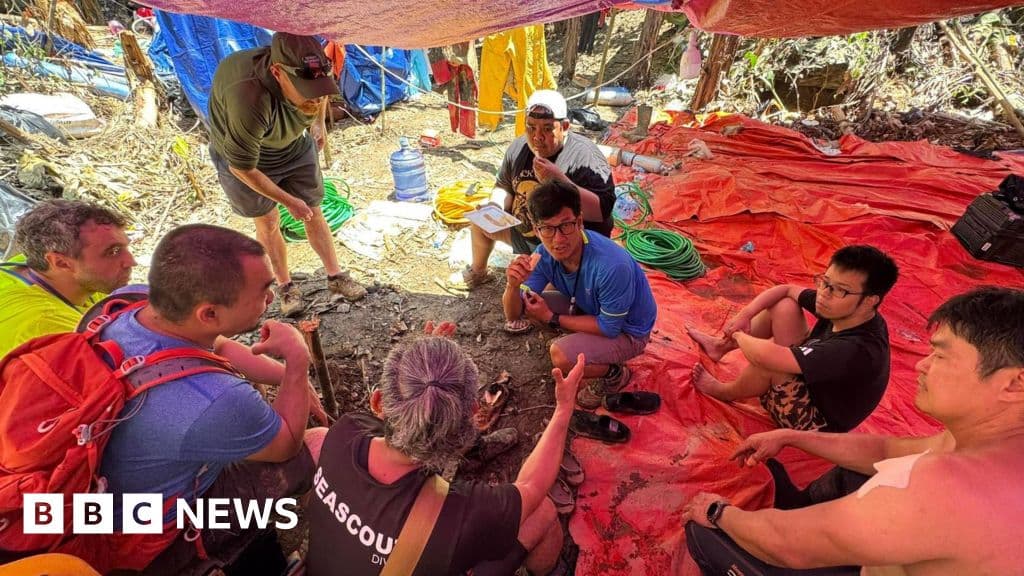
Survivors of the Laos cave rescue are aiding efforts to find the last two missing men trapped inside, sharing crucial insights for the search operation.
BBC World
A year after the tragic Air India crash, the Ali family reflects on grief, unanswered questions, and the enduring bonds of love in the face of loss.
BBC Business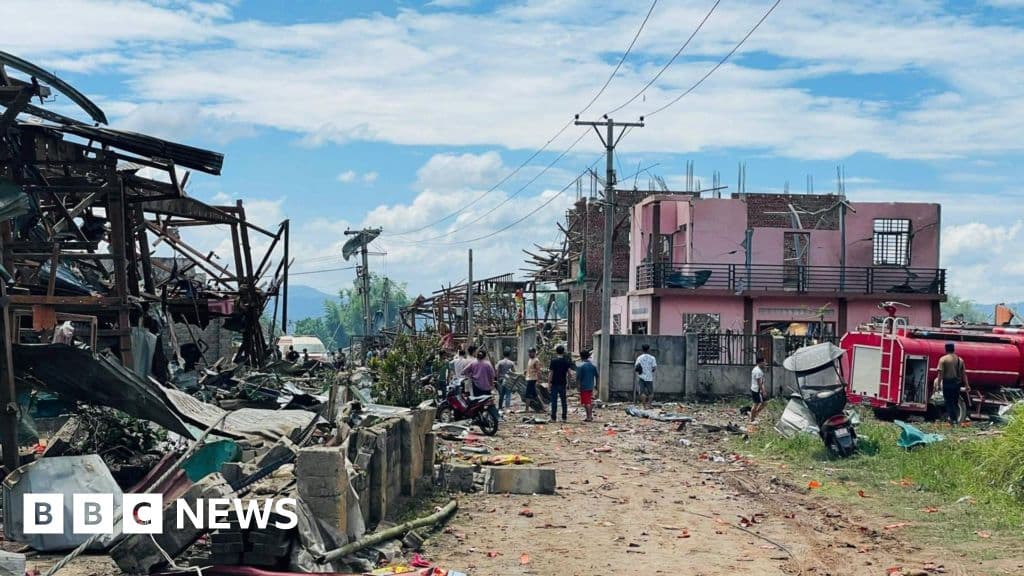
A devastating explosion in Myanmar's Kaung Tat village has killed at least 55 people, raising serious safety concerns and questions about civilian protection in conflict zones.
BBC World