
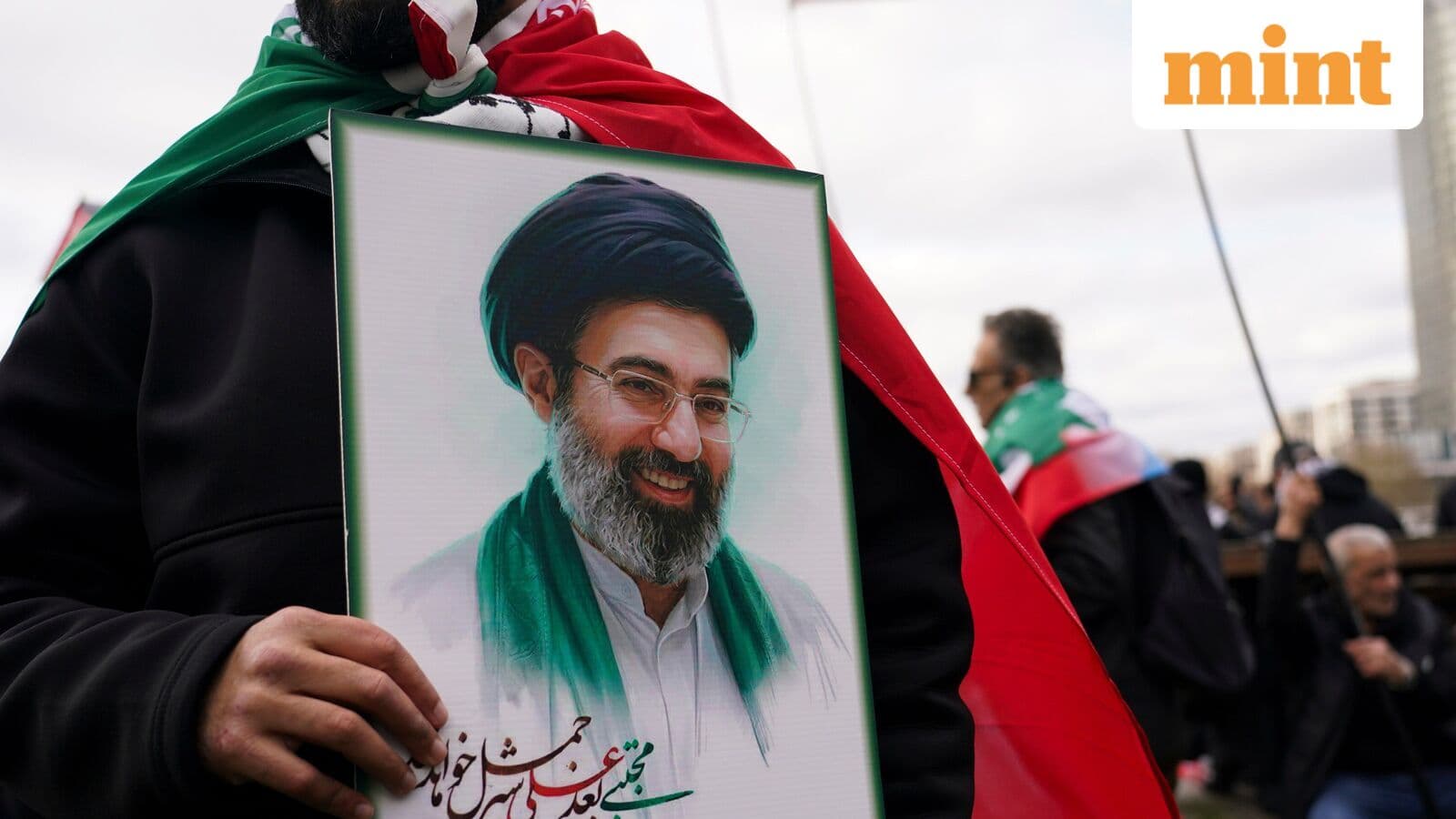
Image: Mint (Business)
Tensions rise as Iran's Khamenei rejects peace overtures while Israel claims responsibility for the assassination of security chief Ali Larijani. Click to learn more!
GlipzoThe ongoing conflict between Israel and Iran has reached a critical juncture, with significant developments emerging this week. On Tuesday, Israel claimed responsibility for the assassination of Ali Larijani, the Iranian security chief. This incident coincides with declarations from Iran's new supreme leader, Mojtaba Khamenei, who has firmly rejected proposals aimed at easing tensions with the United States and Israel. According to reports from Reuters, Khamenei emphasized that any discussions for peace would only be considered after both nations are “brought to their knees.”
The situation is exacerbated by the fact that two unnamed intermediary nations attempted to facilitate dialogue between Iran and the U.S., suggesting a reduction in hostilities or a ceasefire. However, Khamenei’s response, articulated during his inaugural foreign policy meeting, clearly indicates a hardline stance.
Khamenei, who recently succeeded his late father, Ayatollah Ali Khamenei, has not made a public appearance since assuming his leadership role. An official disclosed that during the meeting, Khamenei insisted that Iran would not entertain negotiations until both the U.S. and Israel acknowledge their defeat and compensate Iran for the conflicts.
The enigmatic leader’s approach signifies that Iran is not backing down. His rejection of peace talks highlights a deeply rooted distrust towards the U.S. and Israel, and a belief that they must first face significant consequences for their actions in the region. This decision could have profound implications for future diplomatic relations and the stability of the Middle East.
In the wake of Larijani’s death, Israeli officials, including Defense Minister Israel Katz, confirmed that Israeli forces executed the operation targeting Larijani. Katz also noted that Gholamreza Soleimani, the head of the Basij militia, was killed in the same attack. This militia plays a crucial role in maintaining internal security within Iran, making this a significant blow to the Iranian leadership.
Israeli Prime Minister Benjamin Netanyahu has framed these actions as part of a broader strategy to weaken Iran's leadership. He expressed hope that such military actions would empower the Iranian public to rise against their government, stating, “It won't happen in one go, it won't happen easily. But if we persist - we will provide them with the opportunity to take their destiny into their own hands.”
As the conflict enters its third week, the death toll has tragically surpassed 2,000, with no clear path towards de-escalation. The Strait of Hormuz, a vital maritime corridor for global oil transit, remains largely closed due to rising tensions. Several U.S. allies have declined to support President Donald Trump's calls for reopening this crucial route, intensifying fears of a prolonged crisis.
The repercussions of this conflict are already being felt globally. Oil prices surged approximately 2% following reports of renewed Iranian attacks on energy facilities in the United Arab Emirates. Since the onset of hostilities, oil prices have skyrocketed by about 45%, raising concerns of a potential wave of global inflation, which could affect economies worldwide.
In the aftermath of Larijani’s reported death, Iranian state media did not directly address the allegations made by Israel. Instead, they published a handwritten tribute from Larijani, honoring Iranian sailors killed in a recent U.S. attack, demonstrating an attempt to shift focus away from internal strife and emphasize national pride.
Larijani was a pivotal figure in Iran's political landscape, known for his pragmatic dealings with various political factions. His loss could create a power vacuum, potentially complicating Iran's internal politics and foreign policy decisions moving forward.
The situation between Iran and Israel remains highly volatile, with both sides unwilling to compromise or pursue peace at this juncture. As Mojtaba Khamenei consolidates his power, the international community must watch closely for any shifts in Iran's strategy or further escalations in military actions.
Looking ahead, the key factors to monitor include: - Potential responses from Iran to further Israeli military actions. - The impact of rising oil prices on global economies and inflation rates. - The role of intermediary nations in facilitating future peace talks. - The possibility of unrest within Iran as the public reacts to ongoing military pressures and economic strains.
As tensions escalate, the region's stability hangs in the balance, and the world holds its breath, hoping for a diplomatic resolution amid the chaos.

Tensions soar as the US and Iran engage in air strikes near the Strait of Hormuz, raising concerns over global oil supply and regional stability.
BBC World
Trump's international interventions face serious stalemates. What will this mean for U.S. foreign policy? Explore the critical challenges ahead.
Indian Express
Tehran denies resignation of President Masoud Pezeshkian amid claims of IRGC influence. What does this mean for Iran's political stability? Click to learn more!
Indian Express